
Automatic Litter Boxes: Pros, Cons, Who Should Use Them & Future Trends
Date: 2026-01-10 Categories: Reviews Hits: 1481
Automatic Litter Boxes: Pros, Cons, Who Should Use Them & Future Trends
Introduction
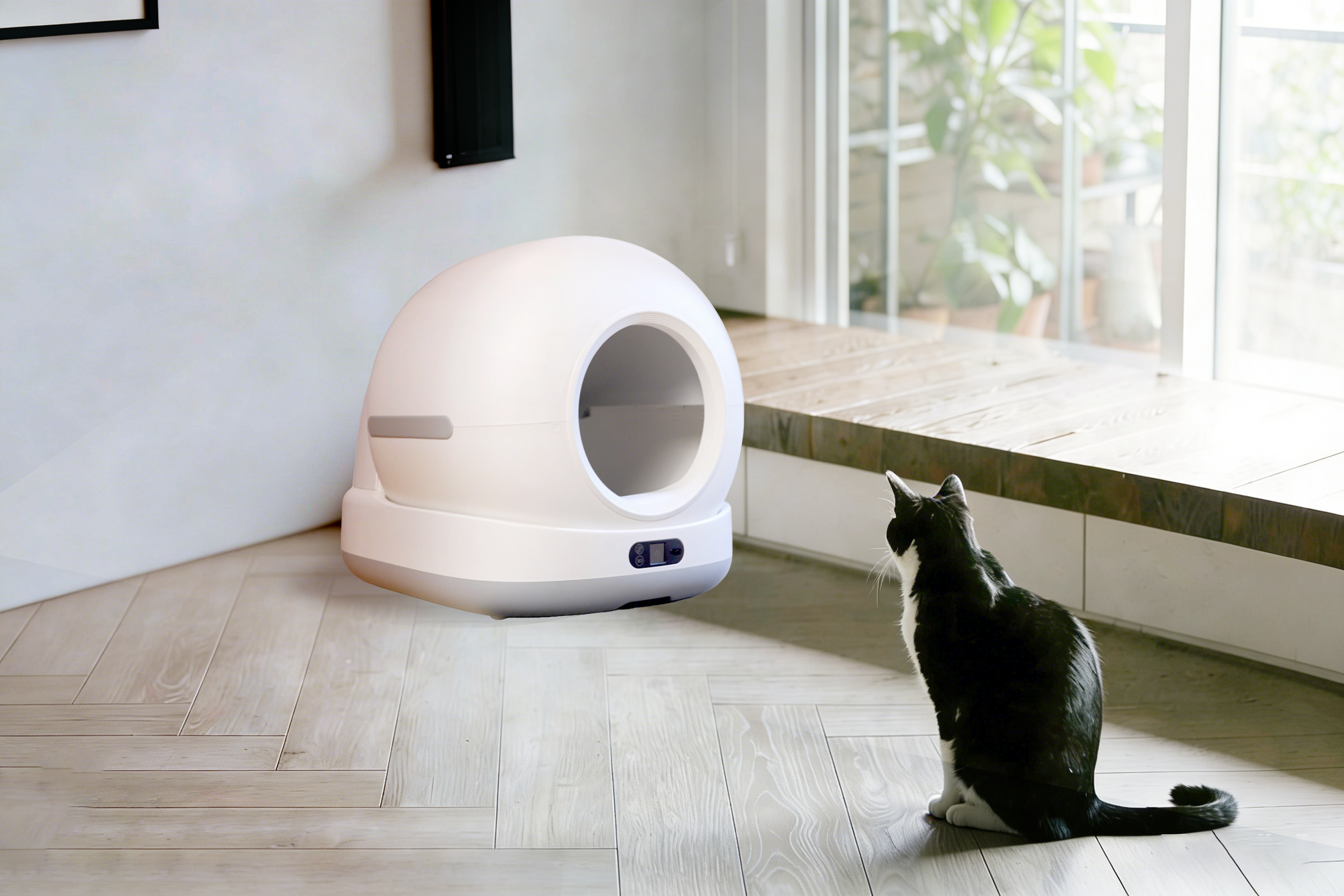
Automatic litter boxes have become increasingly popular among modern cat owners, especially in urban households where time, space, and cleanliness are highly valued. Marketed as “self-cleaning” solutions, these devices promise to reduce daily scooping, control odor, and improve overall hygiene — all while making cat care more convenient.
However, as adoption grows, so do realistic user expectations. Many cat owners discover that automatic litter boxes are not a universal solution. While they offer clear advantages, they also introduce new limitations, costs, and usability challenges that are often overlooked in marketing materials.
This article takes a balanced, experience-driven approach. We will examine the actual advantages of automatic litter boxes, the real-world pain points reported by users, which types of cat owners benefit most, and finally, what a more universal and future-ready automatic litter box should look like. The goal is not to promote a single product, but to help cat owners make informed decisions based on lifestyle, cat behavior, and long-term practicality.
Section I: The Key Advantages of Automatic Litter Boxes
Reduced Daily Scooping and Time Savings
One of the most significant benefits of an automatic litter box is the reduction in daily manual scooping. Traditional litter boxes typically require cleaning at least once or twice a day to maintain hygiene and prevent odor buildup. Automatic systems perform this task automatically after each use or on a scheduled cycle.
For busy professionals, frequent travelers, or households with multiple responsibilities, this automation can save meaningful time and reduce daily maintenance pressure. While not completely maintenance-free, automatic litter boxes significantly lower the frequency of hands-on cleaning.
Improved Odor Control and Cleaner Home Environment
Automatic litter boxes often feature enclosed structures that separate waste from clean litter shortly after use. This rapid waste isolation helps reduce ammonia buildup and unpleasant odors, particularly in small apartments or enclosed living spaces.
Many models also integrate deodorization solutions such as carbon filters, sealed waste drawers, or airflow management systems. Compared to open traditional litter boxes, these designs generally provide a cleaner and more controlled environment, benefiting both cats and humans.
Better Hygiene and Reduced Direct Contact with Waste
By automating waste separation, automatic litter boxes reduce the need for owners to directly handle used litter. This is particularly beneficial for individuals sensitive to litter dust, bacteria, or strong odors.
Less direct contact with waste also lowers the risk of cross-contamination within the home, especially in households with children or multiple pets. From a hygiene perspective, automation introduces a more consistent and standardized cleaning routine than manual scooping.
Psychological and Lifestyle Benefits for Cat Owners
Beyond physical cleanliness, automatic litter boxes can reduce the mental burden associated with daily litter maintenance. Many cat owners report less stress knowing that the litter box remains relatively clean throughout the day, even when they are not at home.
This sense of reliability can improve the overall cat ownership experience, particularly for first-time cat owners or households managing multiple pets.
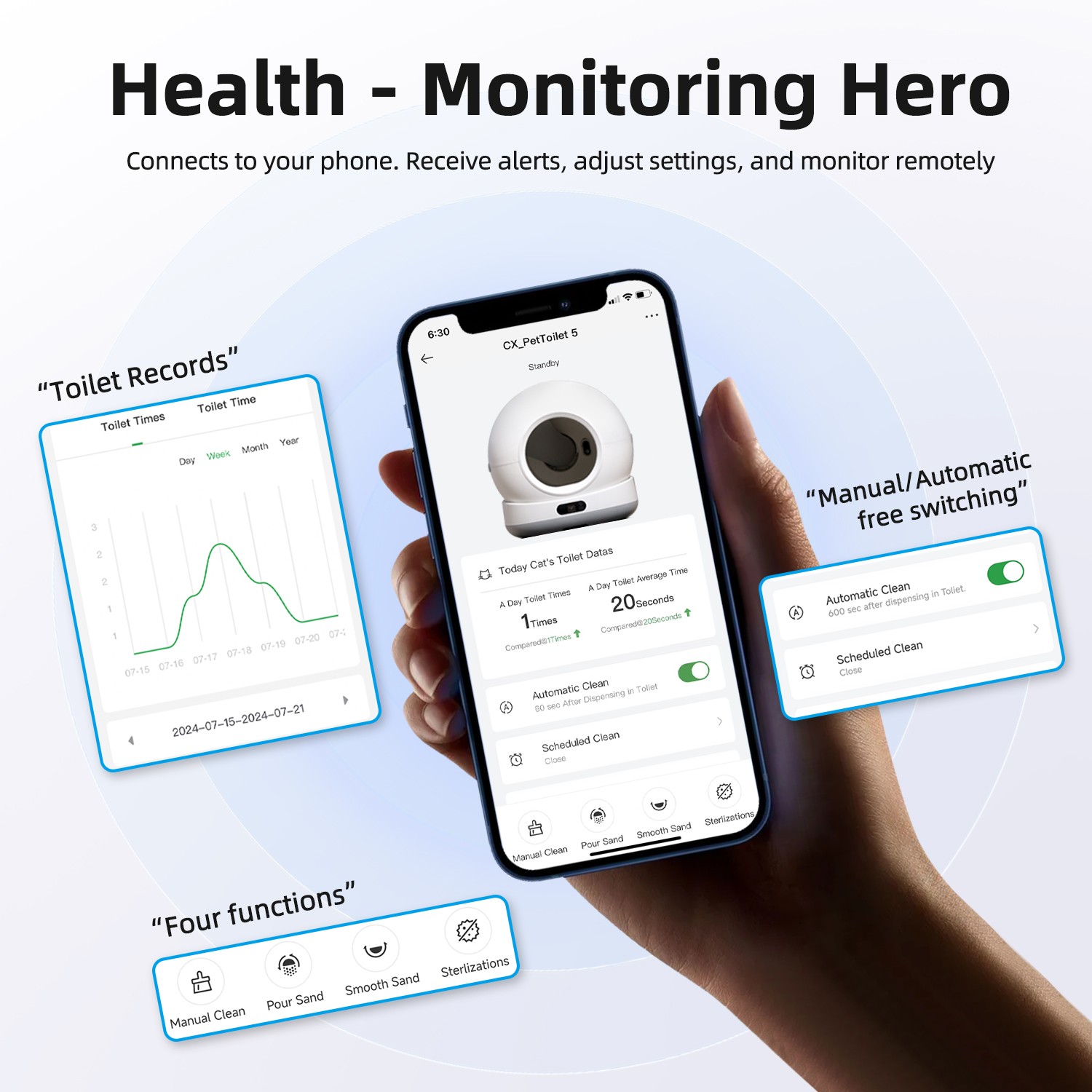
Smart Features and Basic Health Monitoring (Advanced Models)
Some advanced automatic litter boxes include sensors and app connectivity that track usage frequency, time stamps, or approximate waste weight. While not a replacement for veterinary diagnosis, these data points can help owners notice changes in elimination patterns that may signal potential health issues.
When used consistently, such monitoring features can support early awareness and proactive care, especially for senior cats or cats with known health risks.
Section II: Real-World Disadvantages and Common Pain Points of Automatic Litter Boxes
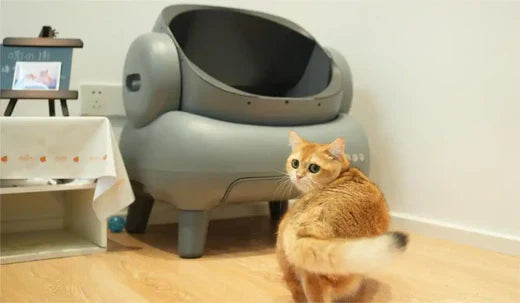
While automatic litter boxes offer clear convenience advantages, they also introduce a new set of challenges. Many of these issues only become apparent after weeks or months of real-world use. Understanding these limitations is critical for setting realistic expectations and making an informed purchasing decision.
High Upfront Cost and Ongoing Maintenance Expenses
Compared to traditional litter boxes, automatic litter boxes require a significantly higher initial investment. In addition to the device itself, many models rely on proprietary or semi-proprietary consumables such as waste liners, carbon filters, deodorizing cartridges, or brand-specific accessories.
Over time, these recurring costs can exceed initial expectations, especially for multi-cat households. For price-sensitive users, the long-term total cost of ownership can become a major barrier to continued satisfaction.
Mechanical Reliability and Failure Risks
Automatic litter boxes depend on motors, sensors, rotating mechanisms, and electronic control systems. As a result, they are inherently more complex than static litter boxes.
Common user-reported issues include:
Motor jams caused by litter buildup or foreign objects
Sensor misreadings leading to incomplete or repeated cleaning cycles
Mechanical wear in high-use, multi-cat environments
When failures occur, troubleshooting and repairs are often more complex than traditional cleaning, sometimes requiring disassembly or customer support intervention.
Noise and Disruption Concerns
Even well-designed automatic litter boxes produce some level of operational noise during cleaning cycles. While this may be acceptable during daytime hours, it can become disruptive at night or in quiet living environments.
Some cats are particularly sensitive to mechanical sounds or sudden movement. In these cases, noise can lead to avoidance behavior, stress, or refusal to use the litter box altogether.
Limited Compatibility with Litter Types and Cat Sizes
Many automatic litter boxes are optimized for specific litter materials, particle sizes, or clumping behavior. Using incompatible litter can result in poor waste separation, increased mechanical strain and higher failure rates.
Additionally, certain designs may not accommodate all cats equally. Large breeds, senior cats with mobility issues, or very small kittens may experience discomfort due to entry height, internal space limitations, or rotating structures.
Incomplete Automation and Residue Buildup
Despite being marketed as “self-cleaning,” automatic litter boxes do not eliminate manual maintenance entirely. Sticky waste, partially clumped urine, hair accumulation, and fine litter dust often require periodic deep cleaning.
In some designs, waste residue can adhere to interior surfaces or mechanical components, reducing cleaning effectiveness over time if not manually addressed. This gap between expectation and reality is a frequent source of user frustration.
Cat Acceptance and Behavioral Challenges
Not all cats adapt easily to automatic litter boxes. Factors such as movement, noise, enclosed spaces, or delayed cleaning cycles can trigger anxiety or avoidance behaviors.
Some cats may require extended transition periods, while others may never fully accept automated systems. For households with particularly sensitive or elderly cats, this behavioral risk should be carefully considered before switching from a traditional litter box.
Section III: Who Is an Automatic Litter Box Actually Suitable For?
Automatic litter boxes are not a universal upgrade for every cat owner. Their value depends heavily on lifestyle, household structure, and the individual cat’s temperament. Understanding who benefits most helps set realistic expectations and avoid unnecessary frustration.
Busy Professionals and Frequent Travelers
Cat owners with demanding work schedules or frequent short-term travel often struggle to maintain consistent litter box hygiene. For this group, automatic litter boxes provide meaningful relief by handling routine waste removal throughout the day.
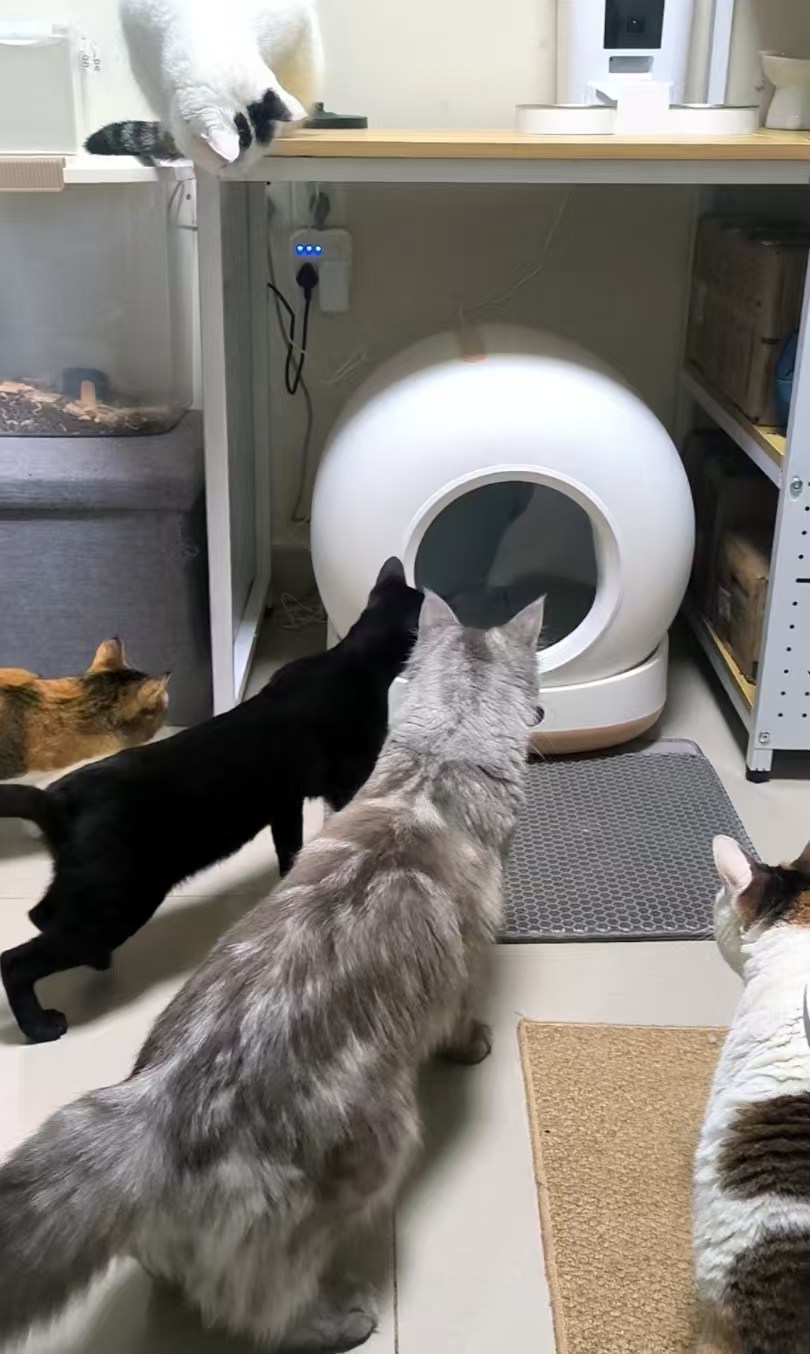
Multi-Cat Households with Shared Responsibilities
In households with multiple cats or multiple family members, litter box maintenance can become a point of friction. Automatic litter boxes help standardize cleanliness and reduce dependency on individual routines.
Owners Highly Sensitive to Odor and Cleanliness
For cat owners living in apartments, small homes, or enclosed spaces, odor control is often a top priority. Automatic litter boxes can significantly improve perceived cleanliness by separating waste promptly and reducing ammonia buildup.
Data-Oriented Owners Focused on Preventive Health Monitoring
Some cat owners are particularly attentive to behavioral and health indicators. Automatic litter boxes with usage tracking features allow these owners to monitor changes in elimination frequency, timing, or patterns over time.
Owners Willing to Invest Time in Setup and Adaptation
Automatic litter boxes are better suited for owners who are comfortable with initial setup, troubleshooting, and gradual cat training. This includes managing litter transitions, adjusting cleaning schedules, and allowing cats sufficient time to adapt.
Who May Not Be a Good Fit
Automatic litter boxes may be less suitable for:
Cats with high anxiety or strong aversion to noise and movement
Senior cats with mobility limitations not accommodated by certain designs
Owners seeking the lowest-cost or lowest-effort solution
Households unwilling to manage periodic deep cleaning and maintenance
Section IV: Why Current Automatic Litter Boxes Are Not Yet Truly Universal
Despite rapid innovation and growing adoption, automatic litter boxes have not yet reached a level of universality that suits all cats, households, and usage scenarios. The limitations are not caused by a single flaw, but by a combination of technical, behavioral, and economic constraints.
Fragmented Design Priorities Across Brands
Most automatic litter boxes on the market are built around a specific core trade-off: some prioritize compact size over internal space, others focus on advanced sensors at the expense of mechanical simplicity, some optimize for quiet operation but sacrifice cleaning power.
Dependence on Specific Usage Conditions
Many automatic litter boxes function optimally only under ideal conditions, such as approved litter types and particle sizes, moderate daily usage volumes, controlled indoor environments with low dust and humidity.
Complexity Increases Failure Probability
Automation introduces multiple points of potential failure, including sensors, motors, and electronic control systems. While these components enable intelligent functions, they also increase susceptibility to malfunction over time.
Behavioral Variability Among Cats
Cats are highly individual in their tolerance of noise, motion, and enclosed spaces. A design that works well for one cat may be rejected entirely by another.
Cost-to-Value Imbalance for Certain Users
For households that do not strongly benefit from automation—such as single-cat homes with flexible schedules—the cost of an automatic litter box may outweigh its practical advantages.
Section V: What a More Universal Automatic Litter Box Should Offer
For automatic litter boxes to move from a niche convenience product to a broadly adopted household standard, future designs must address both technical limitations and real-world user behavior. A more universal automatic litter box should reduce dependency on strict usage conditions while improving adaptability, reliability, and ease of ownership.
Broad Litter Compatibility with Minimal Restrictions
One of the most significant barriers to universal adoption is dependence on specific litter types. Future automatic litter boxes should support a wide range of commonly used litters, including clumping clay, crystal litter, and plant-based alternatives.
Smarter Sensors and Adaptive Intelligence
Rather than relying on fixed thresholds and rigid cleaning cycles, future systems should incorporate adaptive logic that learns from actual cat behavior. This includes recognizing individual cats, adjusting cleaning timing based on usage patterns.
Quiet, Context-Aware Operation
Noise sensitivity remains one of the most common reasons cats reject automatic litter boxes. A more universal design should prioritize ultra-quiet motors and vibration control, paired with context-aware cleaning logic.
Maintenance-Friendly and Modular Design
Ease of maintenance is critical for long-term satisfaction. Future automatic litter boxes should feature tool-free disassembly, modular components for easy cleaning and replacement, smooth, residue-resistant interior surfaces.
Reliable Health Monitoring with Actionable Insights
Health tracking should move beyond basic usage counts toward more meaningful insights. Future systems may analyze trends in frequency, duration, and waste volume over time, providing clear alerts when deviations occur.
Cat-Centric Design for All Sizes, Ages, and Abilities
A truly universal automatic litter box must accommodate a wide range of cats, from small kittens to large adult breeds and senior cats with mobility limitations.
Conclusion: Are Automatic Litter Boxes Worth It Today — and What Comes Next?
Automatic litter boxes represent a meaningful evolution in modern cat care, offering clear advantages in convenience, odor control, and daily workload reduction. For the right household, they can significantly improve quality of life for both cats and owners.
At the same time, they are not a flawless or universal solution. Higher costs, mechanical complexity, maintenance requirements, and variability in cat acceptance continue to limit their suitability across all households. These challenges explain why automatic litter boxes remain a selective upgrade rather than a default replacement for traditional litter boxes.
Choosing an automatic litter box should therefore be a deliberate decision based on lifestyle, home environment, and an individual cat’s behavior—not solely on marketing promises. When expectations align with reality, satisfaction is much more likely.
Looking forward, the next generation of automatic litter boxes will need to prioritize adaptability, reliability, and cat-centric design over feature quantity alone. Broader litter compatibility, quieter operation, smarter automation, easier maintenance, and meaningful health insights will define products capable of serving a wider range of users.
Until then, automatic litter boxes remain a powerful tool for specific needs—and a category with clear potential for continued improvement rather than a finished solution.