
What 2025 Taught Us About Smart Pet Care — And What Changes in 2026
Date: 2025-12-22 Categories: Reviews Hits: 828
What 2025 Taught Us About Smart Pet Care — And What Changes in 2026
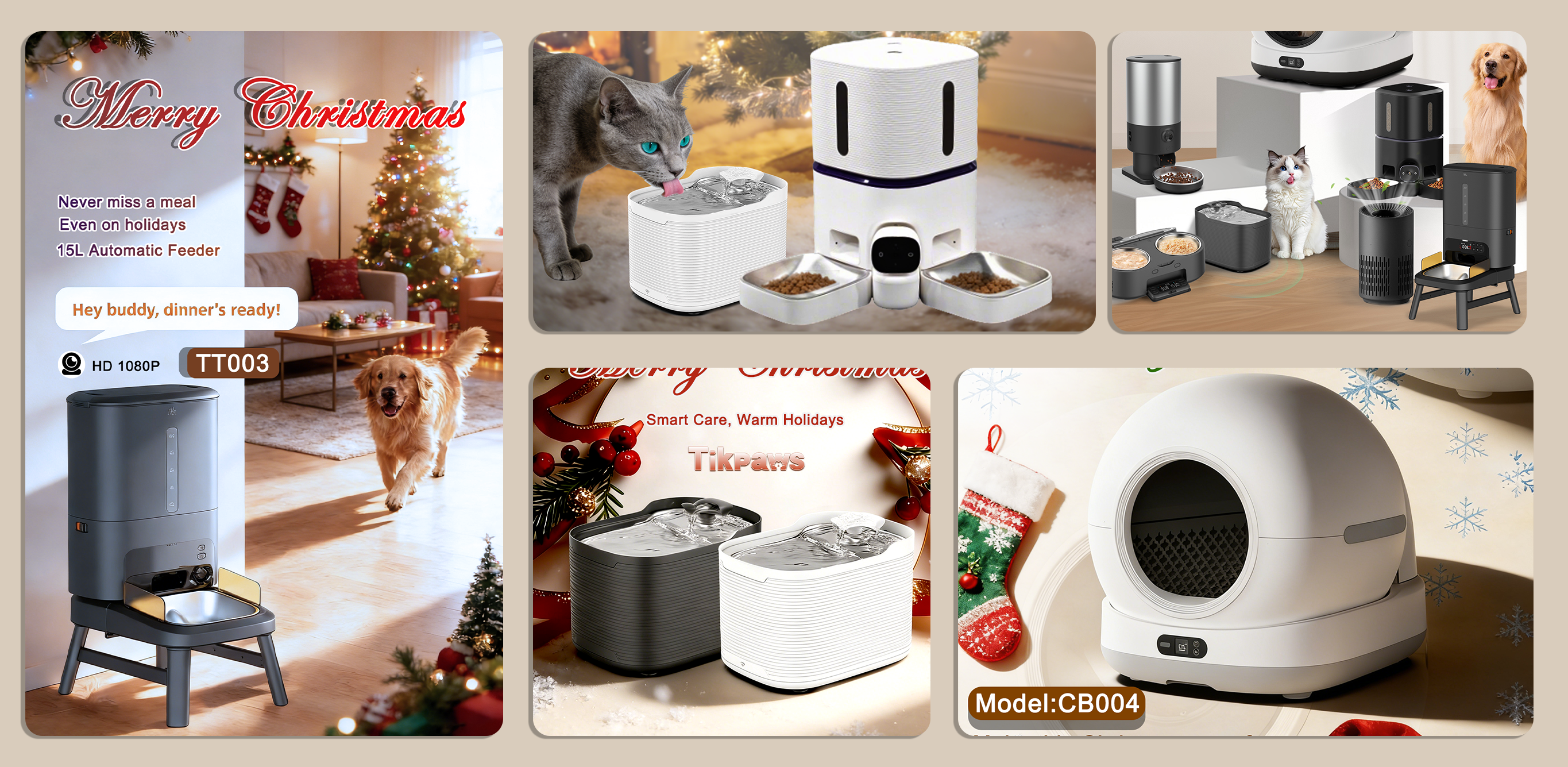
Introduction: 2025 Was a Reality Check for Smart Pet Care
By 2025, smart pet care officially moved past the early-adopter phase.
Automatic feeders, smart fountains, and self-cleaning litter boxes are no longer niche gadgets reserved for tech-savvy pet owners. They have become everyday tools in real households — used by busy professionals, multi-cat families, and long-term pet owners who expect reliability, not novelty.
And that shift revealed something important.
In 2025, pet owners stopped asking “Is this smart?”
They started asking “Does this actually work — every day, without creating new problems?”
Across the industry, we saw a clear pattern:
Devices with impressive feature lists failed under real-life conditions.
“Smart” products that ignored hygiene, stability, or behavioral logic struggled with long-term adoption.
Meanwhile, well-designed systems with fewer but more reliable functions earned trust.
This article reflects on what 2025 taught us about smart pet care — and what meaningful changes are already shaping 2026.
Section I: Automation Alone Is Not Enough
One of the clearest lessons from 2025 is that automation by itself does not equal intelligence.
Many smart pet devices still rely on simple triggers:
Feed at a fixed time
Rotate after a preset interval
Flush or clean on a timer
While these functions reduce manual labor, they often fail to adapt to real situations:
A cat skips a meal
A pet lingers near the litter box
Multiple pets use the same device within minutes
The environment changes due to travel, holidays, or routine shifts
In 2025, users became far more aware of these limitations.
They noticed that true “smart” behavior comes from context awareness, not just scheduled actions. Devices that could respond to what actually happened — not just what was programmed — delivered a noticeably better experience.
This shift pushed the industry toward:
Sensor-driven logic instead of fixed timers
Conditional responses rather than one-size-fits-all automation
Systems designed around pet behavior, not mechanical cycles
In other words, automation became the baseline. Intelligence became the differentiator.
Section II: Sensors Became the Core Value, Not the App
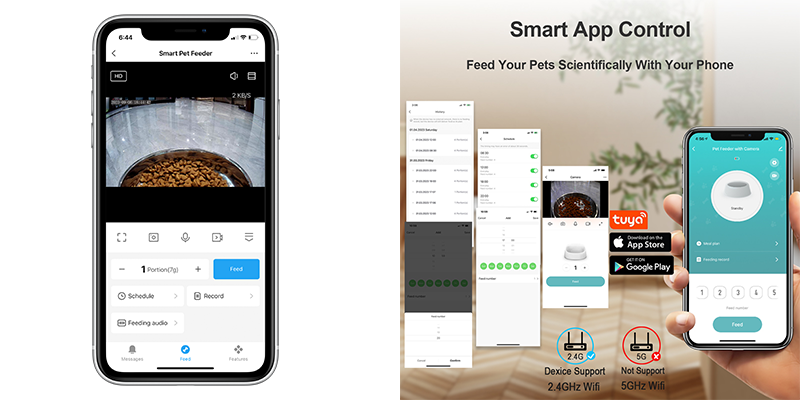
In 2025, one of the most significant shifts in smart pet care was a quiet one: the app stopped being the selling point.
For years, product marketing emphasized mobile interfaces — dashboards, charts, notifications, and remote controls. While these features still matter, pet owners gradually realized that a beautifully designed app cannot compensate for inaccurate or unreliable data.
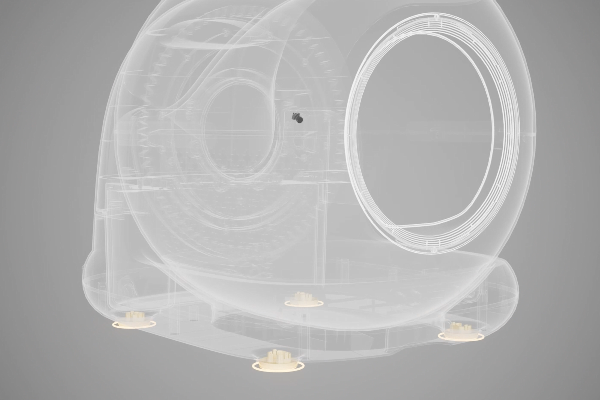
What truly defined user experience in 2025 was what happened before the app: the sensors.
From “Smart Control” to “Smart Perception”
Smart pet devices fundamentally rely on how well they can perceive reality. In 2025, users became much more sensitive to the difference between devices that merely execute commands and those that correctly interpret real-world conditions.
Across feeders, fountains, and litter boxes, several sensor-related patterns emerged:
Weight sensors determined whether a pet actually ate, used the litter box, or simply triggered a motion event.
Infrared and optical sensors helped distinguish presence, movement, and exit timing — critical for safety and proper automation.
Redundant sensor logic reduced false positives caused by tails, shadows, or environmental lighting changes.
Calibration stability proved just as important as raw sensor precision.
Why the App Lost Its Central Role
This shift did not mean apps became irrelevant. Instead, their role changed.
In 2025, the app became:
A window, not the brain
A reporting layer, not the decision-maker
A support tool, not the source of intelligence
Sensor Quality Directly Affected Daily Life
The impact of sensor performance was not abstract — it showed up in daily routines:
Litter boxes that failed to detect proper exit timing interrupted cleaning cycles.
Feeders without accurate weight feedback could not confirm consumption, only dispensing.
Water fountains without flow or usage sensing provided no meaningful hydration insight.
What This Shift Means Going Forward
As smart pet care moves into 2026, expectations are already higher:
Fewer false alerts
Fewer manual overrides
Fewer “smart” features that require constant supervision
In this new phase, sensor reliability is no longer a feature. It is the foundation.
Section III: Hygiene & Maintenance Matter More Than Ever

As smart pet devices became part of daily life in 2025, one reality became impossible to ignore: automation does not eliminate hygiene responsibilities — it reshapes them.
Many early smart pet products were designed with an implicit promise of “hands-off” convenience. In practice, this expectation often backfired. Devices that reduced daily effort but increased long-term cleaning complexity created frustration rather than relief.
Automatic Does Not Mean Self-Cleaning
One of the most common misunderstandings exposed in 2025 was the assumption that automatic systems clean everything.
In reality:
Moving parts still accumulate residue
Enclosed spaces trap moisture, hair, and bacteria
Filters, waste bags, and deodorizing components degrade over time
Materials and Structure Became Non-Negotiable
In 2025, users paid closer attention to what devices were made of — and how they were built.
Several design factors consistently separated reliable products from problematic ones:
Non-porous contact surfaces that resisted odor absorption
Seamless or reduced-joint structures that prevented waste buildup
Easy-access disassembly for routine cleaning
Clear separation between electronic components and washable parts
The New Standard: Predictable Maintenance, Not Zero Maintenance
By the end of 2025, expectations had matured.
Pet owners no longer demanded devices that required no upkeep. Instead, they valued:
Clear maintenance schedules
Simple, repeatable cleaning steps
Consumables that were easy to replace
Designs that revealed problems early, rather than hiding them
Section IV: Multi-Cat & Real-Life Households Exposed Design Flaws

By 2025, smart pet care devices were no longer tested only in ideal conditions. They were stress-tested in real homes — and nowhere were design limitations exposed more clearly than in multi-cat households and unpredictable daily routines.
Multi-Cat Use Was the Ultimate Stress Test
In households with two or more cats, weaknesses surfaced quickly.
Common issues included:
Cleaning cycles triggered too frequently or at the wrong time
Inability to distinguish between consecutive users
Weight and presence data becoming unreliable when pets entered in close succession
Devices locking themselves into safety pauses that required manual resets
Real Life Is Messy, and Schedules Are Inconsistent
Beyond pet behavior, human behavior also challenged device design.
Real households introduced variables that lab testing rarely captured:
Nighttime usage in low-light conditions
Pets entering devices while owners were asleep or away
Temporary network interruptions
Sudden routine changes during travel, holidays, or work shifts
2025 Made One Thing Clear
Smart pet devices could no longer be evaluated solely on feature lists or controlled demonstrations.
In 2025, real households became the benchmark.
Section V: What Changes in 2026 — From “Smart” to “Trustworthy”

If 2025 exposed the weaknesses of smart pet care, 2026 is shaping up to be the year of correction.
The defining shift moving into 2026 is simple but profound:
“Smart” is no longer impressive. Trustworthy is.
Reliability Becomes the Primary Feature
In 2026, reliability is emerging as the most valuable characteristic of any smart pet device.
This means:
Fewer unexplained errors
Fewer incomplete cycles
Fewer alerts that require human interpretation
Smarter Decisions, Not More Functions
Another clear change heading into 2026 is the move away from feature inflation.
In 2026, the focus is shifting toward:
Fewer but better decisions
Automation that adapts quietly instead of constantly asking for input
Defaults that work well for most households without adjustment
Local Intelligence Gains Importance
One of the most important technical shifts in 2026 is the emphasis on local intelligence.
While cloud connectivity and apps remain useful, pet owners increasingly expect core functions to work:
During temporary Wi-Fi outages
At night, without notifications
Without constant synchronization or updates
Section VI: What Pet Owners Should Look for Going Into 2026

As we move into 2026, the lessons from 2025 provide a clear guide for pet owners who want to invest in smart pet care devices that are truly reliable and long-lasting.
1. Reliable Sensors and Accurate Detection
Pet owners should look for devices that offer:
Multiple sensor types (weight, infrared, optical) for cross-validation
Stable calibration that remains accurate over months of use
Redundant safety mechanisms to avoid false activations or missed events
2. Maintenance-Friendly Design
In 2026, maintenance considerations are more important than ever:
Removable and washable components
Clear and simple cleaning procedures
Easily replaceable consumables like filters, waste bags, or deodorizers
3. Multi-Pet Support
For households with more than one pet, adaptability is critical:
Devices should handle consecutive or simultaneous usage
Algorithms must distinguish between multiple pets to prevent errors
Multi-pet households benefit from buffered cycles and conditional logic
4. Localized Intelligence and Offline Reliability
Connectivity is convenient, but devices should remain functional even when the network is unstable:
Core functions should operate offline or during Wi-Fi interruptions
Notifications and app data can supplement, but should not replace essential operation
5. Transparent Communication from Brands
Finally, pet owners should value honest, clear product information:
Look for realistic claims about automation and maintenance
Expect manufacturer guidance on proper usage, cleaning, and troubleshooting
Avoid products that overpromise and underdeliver
Summary Checklist for 2026 Buyers
Before purchasing a smart pet device, consider these five key questions:
Does the device use reliable, multi-type sensors?
Is it designed for easy, predictable maintenance?
Can it support multiple pets effectively?
Does it function locally when connectivity fails?
Does the brand communicate honestly about its capabilities?
Section VII: Final Thoughts — Smart Pet Care Is Growing Up

2025 was a pivotal year for smart pet care. The industry matured quickly, moving beyond novelty gadgets and flashy apps into devices that are judged by reliability, hygiene, and real-world performance. Pet owners, once impressed by “smart features,” now demand trustworthiness above all else.
The lessons are clear:
Automation alone is no longer enough.
Sensors define intelligence, not the mobile app interface.
Hygiene and maintenance are central to daily usability.
Multi-pet households and real-life routines expose design flaws quickly.
The next phase — 2026 — prioritizes trust over hype, stability over feature lists, and predictable care over constant alerts.
Smart pet care is growing up. It’s no longer about being impressive on day one — it’s about earning confidence, every day.