
2025 Holiday Season Pet Safety Guide: Smart Devices Every Cat Owner Needs
Date: 2025-12-10 Categories: Guides Hits: 1104
2025 Holiday Season Cat Safety Guide: Smart Devices Every Owner Needs
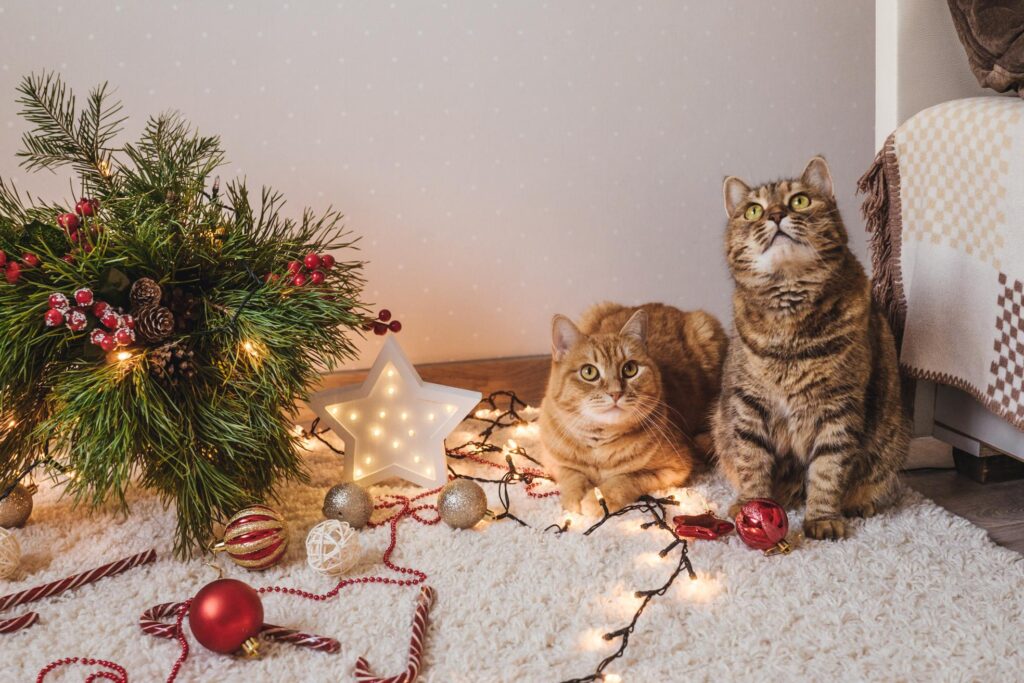
Introduction: Why 2025 Holiday Cat Safety Matters
The holiday season is traditionally a joyful time filled with gatherings, travel, and a significant shift in daily routines. For cat owners, however, these changes introduce a unique set of risks that can quietly impact a pet’s health and behavior. In 2025, these risks are even more pronounced due to evolving winter climate patterns, longer indoor confinement, and increasingly unpredictable human schedules around the festive period.
Cats are highly sensitive to changes in routine. Even small disruptions—such as delayed feeding, reduced water availability, or irregular litter box maintenance—can lead to stress-related behaviors, digestive issues, urinary complications, or hygiene problems. With many households traveling during the holidays, unattended pets face elevated risks of dehydration, inconsistent nutrition, and litter box neglect.
This is where modern smart pet devices play a transformative role. Advanced smart feeders, intelligent water fountains, and automated self-cleaning litter boxes empower owners to maintain stable, healthy conditions even when they are away from home. These devices not only automate essential care tasks but also provide real-time monitoring, behavioral data, and early alerts that help prevent small issues from becoming emergencies.
As we enter the 2025 holiday season, smart pet care is no longer just a convenience — it is a critical part of responsible cat ownership. This guide explains the most common holiday hazards and offers a practical overview of how the right smart devices can protect your cat’s well-being throughout the festive period.
Common Holiday Risks for Cats
The holiday season introduces several environmental and behavioral disruptions that can quietly compromise a cat’s health. While many owners assume that leaving extra food or cleaning the litter box before heading out is enough, the reality is that winter conditions and erratic holiday routines amplify risks that often go unnoticed. Understanding these risks is the first step toward creating a safer seasonal environment.
Disrupted Feeding Schedules
Holiday gatherings, late nights, and travel frequently interfere with regular feeding routines. Cats thrive on consistency, and sudden delays or irregular meal times can lead to overeating, vomiting, anxiety-driven behaviors, or digestive complications. In multi-cat households, competition for limited food during irregular feeding can intensify stress and aggression.
Dehydration in Winter
Winter is the peak season for dehydration in cats. Cold temperatures reduce their natural drive to drink, while indoor heating systems accelerate water loss through dry air. If water bowls are left unattended, they may become dirty, empty, or too cold to encourage drinking. Reduced hydration also increases the risk of urinary tract issues, which tend to spike during colder months.
Litter Box Neglect
During the holidays, owners may be away from home or too busy to maintain consistent litter box cleaning. A dirty litter box not only discourages cats from using it but can lead to inappropriate elimination around the house, constipation, or urinary retention. In winter, reduced ventilation and closed windows worsen odor, bacterial buildup, and environmental stress for cats.
Environmental Hazards
Holiday décor and increased human activity create new sources of risk:
Festive ribbons, tinsel, and packaging materials can cause intestinal blockages if ingested.
Certain seasonal plants, such as lilies or poinsettias, are toxic to cats.
Sudden noise, large gatherings, and unfamiliar visitors can trigger hiding, aggression, or stress-related gastrointestinal symptoms.
These hazards collectively highlight why holiday pet safety needs greater attention in 2025. The next sections explore how smart pet feeders, water fountains, and automatic litter boxes mitigate these seasonal challenges by maintaining consistency and reducing environmental risks—even when owners cannot be physically present.
Smart Cat Feeders: Stable Nutrition When Away
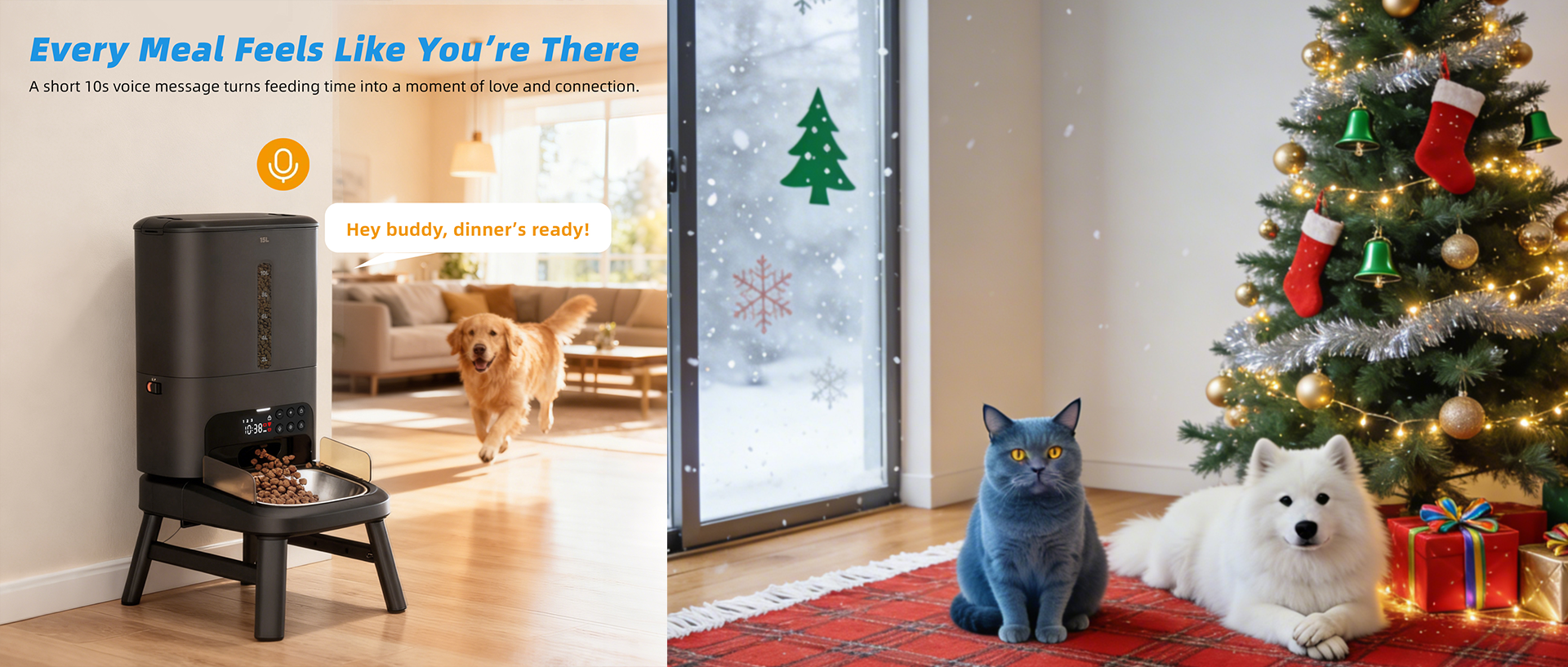
Holiday schedules are notoriously unpredictable. Between family gatherings, workplace events, and seasonal travel, even the most attentive cat owners can struggle to maintain consistent feeding times. Smart pet feeders serve as a critical layer of protection during these periods by ensuring your cat receives the right amount of food at the right time—no matter where you are.
Why Smart Feeders Matter During Holidays
Cats are creatures of routine, and deviations in feeding times can lead to stress, digestive upset, and overeating. Smart feeders eliminate this risk by automating meal delivery with precision. Whether you are out for a full day or traveling for several nights, these devices keep your cat’s diet stable and predictable.
Beyond simple automation, modern feeders also help prevent holiday-specific issues:
Overfeeding or underfeeding during irregular schedules
Food spoilage caused by leaving out too much dry or freeze-dried food
Multi-cat conflicts triggered by inconsistent access to food
For cats that rely on strict portion control, such as those with weight management or digestion-sensitive conditions, automated feeding becomes even more essential during busy holiday periods.
Key Safety Functions to Look For
Not all feeders perform equally under holiday conditions. Prioritizing the right features ensures reliability when you cannot monitor feeding manually.
Anti-jam dispensing systems: Prevent food blockages that could leave a cat without access to meals during long absences.
Dual power backup: A combination of AC power and battery backup ensures feeding continues even during winter power interruptions—a common issue in colder regions.
Real-time app monitoring: Mobile apps with feeding history, alerts, and remote adjustment abilities keep owners informed. If your cat misses a meal or the feeder encounters an error, you receive instant notifications.
Secure lid and storage design: Holiday visitors, excited children, or curious cats should not be able to open the food bin. A safe-locking hopper prevents accidental spillage or overeating.
Portion precision and scheduling flexibility: Ideal for managing calorie intake, especially important when cats become less active during winter months.
Holiday Usage Tips
Even the most advanced feeder performs best when properly set up for the holiday season.
Test your feeding schedule before leaving: Run at least 24–48 hours of programmed feeding to confirm all portions dispense correctly.
Use food that stores well: Dry kibble and freeze-dried options remain fresh longer and reduce the risk of spoilage during extended travel.
For multi-cat households: Consider feeders with identification or controlled-access features, or deploy multiple synchronized feeders to avoid conflicts over limited meals.
Smart feeders deliver consistency that is nearly impossible to achieve manually during the holiday rush. In the next section, we examine how smart water fountains address another major seasonal challenge: winter dehydration.
Smart Water Fountains: Prevent Winter Dehydration
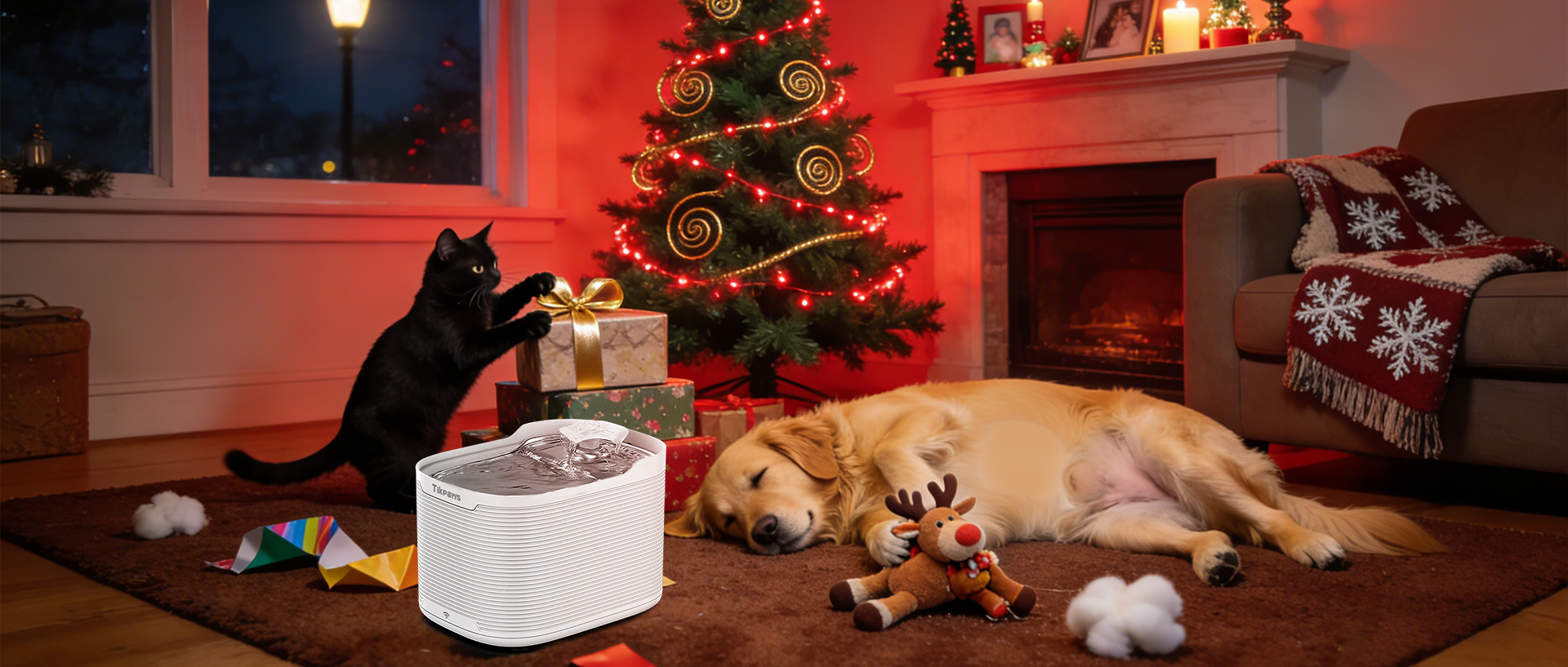
Winter is the most challenging season for maintaining healthy hydration in cats. As temperatures drop, cats naturally drink less water, and the dry indoor environment created by heating systems accelerates moisture loss. During the hectic holiday period—when owners are often away or distracted—providing clean, accessible, and appealing water becomes even more critical. Smart water fountains offer a dependable solution by promoting frequent drinking and ensuring safe water quality at all times.
Why Cats Drink Less in Winter
Cats are instinctively low water drinkers, but winter amplifies this behavior. Several seasonal variables contribute to reduced hydration:
Cold water lowers drinking interest, especially if it becomes stagnant in a bowl.
Heaters and dry indoor air increase dehydration risk, even when cats appear comfortable.
Irregular bowl refills during holiday travel can lead to empty or contaminated water sources.
Reduced water intake is a leading factor behind urinary crystals, kidney stress, and UTIs—conditions that often spike in colder months.
How Smart Water Fountains Improve Holiday Safety
Smart water fountains help maintain hydration by providing controlled, fresh-flowing water throughout the day. Their design and technology directly address winter-specific challenges:
Encouraging Drinking Behavior: Cats are naturally attracted to moving water. A steady flow keeps water oxygenated, cleaner, and more visually appealing, increasing voluntary drinking even when ambient temperatures are low.
Filtered, Safe Water Supply: Multi-layer filtration systems remove hair, debris, micro-particles, and impurities that quickly accumulate in static bowls. This ensures water remains safe even when you are away for several days.
Automated Water Level Detection: Dry-run protection and low-water alerts prevent the fountain from operating without water—a common occurrence in the holiday season when owners forget regular refills.
App Connectivity and Remote Monitoring: Smart fountains with app control allow you to check water levels, receive reminders, and adjust flow settings from anywhere. This real-time visibility is essential during long trips.
Must-Have Holiday Features
When selecting a fountain for the holiday season or winter months, prioritize features that enhance reliability and hygiene:
Stainless steel drinking tray: More resistant to bacteria, easier to clean, and more stable in winter compared to plastic alternatives.
Ultra-quiet pump design: Ideal for homes with guests, children, or noise-sensitive cats during festive gatherings.
Large capacity or dual-tank systems: Essential for multi-cat households or owners who travel frequently during the holidays.
Extended-life filters: Reduce the need for mid-trip replacements and maintain consistent water quality.
By delivering continuous access to clean, flowing water, smart fountains significantly lower the risk of dehydration and urinary complications during the coldest—and busiest—time of the year. The next section explores how automatic litter boxes enhance holiday hygiene and safety with minimal owner intervention.
Smart Litter Boxes: Holiday Hygiene Control

Litter box management is one of the most frequently overlooked aspects of holiday pet care. During the festive season—when owners are traveling, hosting guests, or spending long hours away from home—the litter box can quickly become a source of stress, odor, and potential health risks. Smart litter boxes play a vital role in maintaining a clean, hygienic environment for cats, even when routines are disrupted.
Why Litter Problems Intensify During Holidays
Several factors make the holiday period particularly challenging for litter box maintenance:
Extended Cleaning Intervals: Owners may be out of the house for long stretches or too occupied with gatherings to scoop regularly. A full litter box discourages cats from using it and can lead to constipation, urinary retention, or inappropriate elimination around the home.
Winter Odor and Hygiene Issues: Closed windows and limited ventilation in winter cause odors to linger longer and bacteria to multiply more quickly. This results in a less comfortable environment for both cats and house guests.
Multi-cat Pressure: In households with multiple cats, holiday disruptions can exacerbate competition for litter box access. If boxes are not cleaned frequently or if capacity is insufficient, stress-related conflicts or avoidance behaviors may occur.
Essential Safety and Hygiene Features
Modern smart litter boxes offer several advanced features that minimize holiday risks and promote a consistently clean environment:
Automatic Self-Cleaning Systems: These mechanisms separate waste from clean litter after each use, ensuring that the box remains fresh even when you cannot scoop manually. This prevents buildup that can trigger urinary or digestive discomfort.
Anti-pinch Safety Sensors: Intelligent sensors detect when a cat enters or exits the box, stopping all motion to avoid accidental injury—an essential safeguard during moments when holiday distractions reduce owner attentiveness.
Deodorization and Air Filtration: Built-in odor control modules, such as deodorizing cartridges or ozone-free sterilization, help mitigate winter odor issues and keep the environment pleasant for both pets and visitors.
Night Vision Camera and App Monitoring: Remote visibility lets owners monitor usage frequency—a critical indicator of urinary health—while away during holiday trips. Real-time alerts provide early detection of potential health issues.
LCD or App-based Usage Data: Detailed logs of toilet frequency, duration, and patterns help identify early signs of UTIs, constipation, or stress-related behavioral changes.
Holiday Optimization Tips
A smart litter box is most effective when configured properly before holiday travel or busy schedules begin:
Refresh all consumables: Replace deodorizing gel packs, waste bags, and filters before leaving to ensure optimal performance.
Perform a full cleaning: Cleaning the unit thoroughly before a holiday trip reduces odor accumulation and improves sensor accuracy.
Enable enhanced modes for multi-cat homes: Some systems offer high-frequency cleaning cycles for households with more than one cat. Activating these modes helps avoid waste buildup when usage is heavy.
By combining automatic cleaning, comprehensive monitoring, and essential safety features, smart litter boxes serve as a reliable hygiene management system throughout the holiday season. In the next section, we explore how remote monitoring across all smart devices further enhances peace of mind for traveling cat owners.
Remote Monitoring: Peace of Mind While Traveling
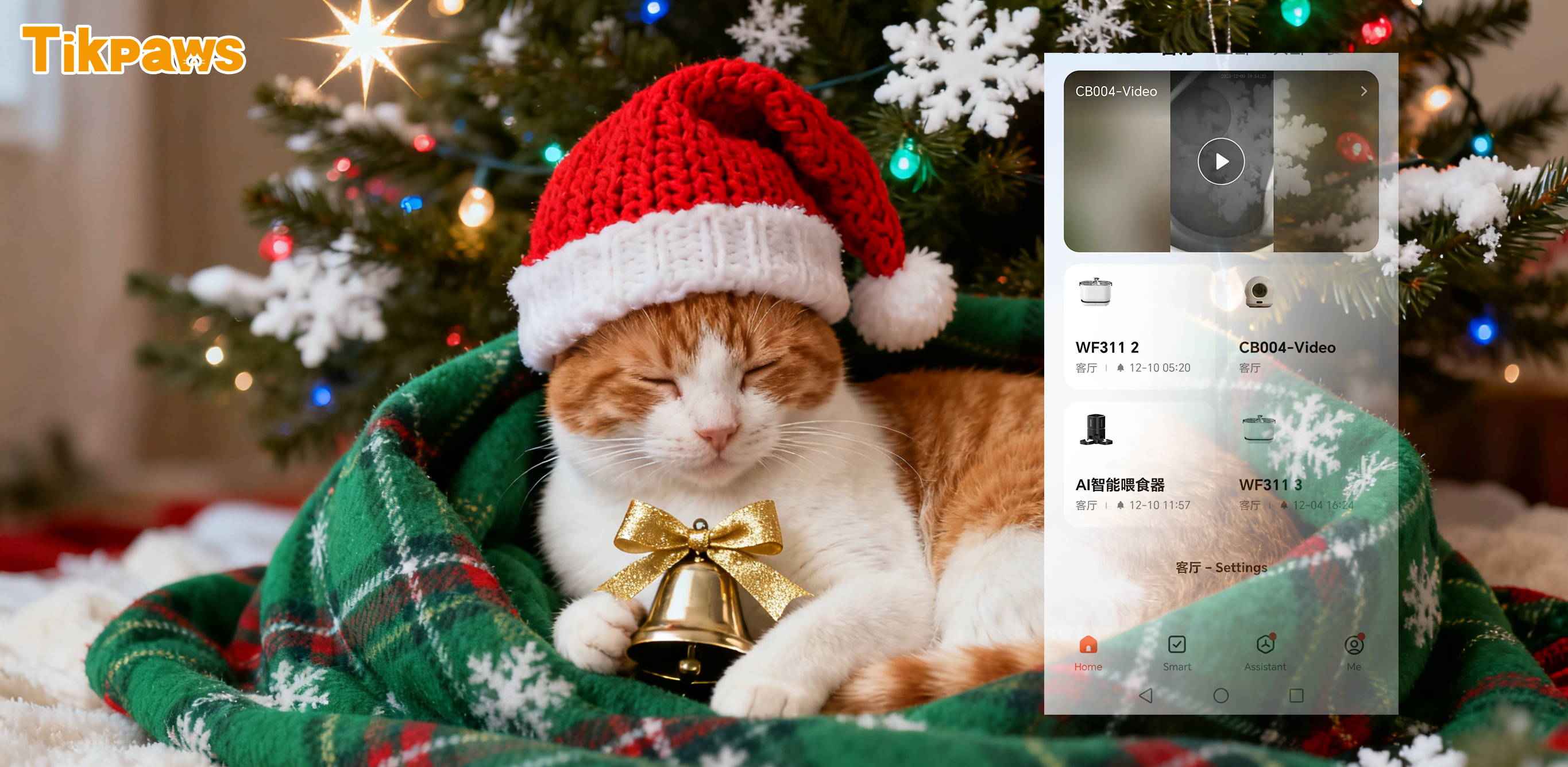
Travel is one of the defining characteristics of the holiday season. Whether you are visiting family for a weekend or taking an extended trip, being away from home introduces uncertainty about your cat’s daily well-being. Remote monitoring transforms this uncertainty into clarity by giving owners continuous visibility and control over their smart pet devices—no matter where they are.
Why Remote Monitoring Matters More in the Holiday Season
Cats do not communicate discomfort the way humans do. Subtle issues like reduced water intake, skipped meals, or unusual litter box behavior can develop into medical concerns quickly, especially during winter. When you are away, these early signs are easy to miss.
Remote monitoring bridges this gap by providing:
Real-time insights into feeding, hydration, and litter box usage.
Immediate alerts when irregularities occur.
Historical data to track trends before minor problems escalate.
For cat owners who travel during the holidays, this visibility can prevent emergencies and significantly reduce stress.
Unified Dashboard Benefits
Many modern ecosystems integrate feeders, fountains, and litter boxes into a single app. A unified dashboard allows owners to manage all devices with centralized control and synchronized alerts:
Consistent feeding verification: Check whether meals were dispensed on time and confirm your cat has eaten.
Water level and filter health tracking: Ensure hydration remains stable, with notifications when water is low or filters need attention.
Litter box usage analytics: Monitor frequency, detect abnormal patterns, and receive alerts if the system senses potential blockages or health risks.
A consolidated interface is particularly useful during peak holiday travel, when time and attention are limited.
Critical Alert Types That Enhance Holiday Safety
Remote monitoring systems typically provide several alert categories that directly support holiday pet safety:
Missed-meal alerts: Immediate notification if food is not dispensed or remains uneaten.
Low-water or pump malfunction warnings: Prevents dehydration issues by prompting refill or troubleshooting.
Litter box fault or overfill alerts: Ensures hygiene remains intact, even during extended absences.
Unusual behavior notifications: Advanced systems can detect irregular usage patterns—such as increased urination, reduced eating, or restlessness—allowing owners to take action or contact a caretaker.
Holiday-specific Best Practices
Properly configuring your smart ecosystem before traveling maximizes safety and peace of mind:
Verify network stability: Ensure your home Wi-Fi is stable and your devices are updated to the latest firmware.
Enable all critical notifications: Turn on push alerts and, if available, SMS or email redundancy during travel.
Share temporary access with a trusted caregiver: Allow a family member or pet sitter to view device data or receive alerts while you are away.
With remote monitoring, cat owners can enjoy their holiday travels while maintaining continuous oversight of their pet’s daily essentials. The next section will show how to integrate all smart devices into a complete seasonal safety strategy.
Holiday Travel: Step-by-Step Preparation Checklist

The holiday season often involves extended absences from home, whether for short visits or longer vacations. Preparing your smart pet devices correctly before you leave ensures your cat remains safe, comfortable, and stress-free. This step-by-step checklist provides a comprehensive approach to holiday readiness.
Device Setup Before You Leave
Proper setup is the foundation of a reliable holiday pet care routine:
Clean and refill all devices:
Smart feeders: Fill with the appropriate amount of food, check portion settings, and test dispensing cycles.
Water fountains: Refill with fresh water, check filters, and verify proper flow.
Litter boxes: Empty waste, replace deodorizing capsules or bags, and perform a full clean.
Check power sources and backups:
Ensure all devices are plugged in and functioning.
Use battery backups or UPS systems if available to prevent interruptions due to power outages.
Enable app notifications and remote access:
Confirm your mobile devices receive alerts.
Test remote control functionality to ensure feeding, water, and cleaning schedules can be adjusted if needed.
Run a 24-hour trial: Simulate your absence by monitoring device performance over a day or two before leaving. This helps identify potential issues before they escalate during your actual holiday travel.
Multi-cat Household Configuration
Managing multiple cats requires special consideration:
Assess capacity: Ensure feeders, fountains, and litter boxes are sufficient for all pets.
Consider multiple devices: Deploy additional feeders or water sources to prevent competition and stress.
Enable enhanced cleaning cycles: Some litter boxes offer higher-frequency modes for households with multiple cats, which helps maintain hygiene when usage is high.
Monitor behavior patterns: Use app analytics to track individual cat activity and detect any signs of conflict or illness.
Emergency Backup Plan
Even with smart devices, unexpected issues can occur. Having an emergency plan provides additional security:
Trusted caregiver access: Inform a neighbor, friend, or family member of your travel plans and how to access device alerts.
Device troubleshooting instructions: Leave step-by-step guides for turning off, resetting, or refilling devices if necessary.
Local veterinary contact: Have a vet on standby in case your cat shows unusual behavior or health concerns during your absence.
By following this checklist, owners can ensure that their smart pet devices operate reliably, while their cats remain safe, healthy, and comfortable throughout the holiday season.
Choosing Smart Devices for 2025 Holidays
Selecting the right smart devices is essential for creating a safe and stress-free holiday environment for your cat. Device choice depends on household size, travel frequency, and specific behavioral or health needs. This section offers guidance to help owners make informed decisions for the 2025 holiday season.
For Single-cat Families
A single-cat household typically requires a simpler setup:
Recommended devices: One smart feeder and one smart water fountain.
Portion control and meal scheduling to maintain consistent nutrition.
Fountain capacity that supports daily hydration without frequent refills.
Ease of cleaning and reliability for owners who may travel briefly.
This combination ensures your cat’s basic needs are consistently met without unnecessary complexity.
For Multi-cat Families
Multi-cat households require more robust solutions due to increased demand and potential competition:
Recommended devices:
Multiple feeders or feeders with pet-specific access (RFID or facial recognition).
Larger or dual water fountains to prevent disputes over drinking.
One or more automatic litter boxes, preferably with enhanced cleaning cycles.
Key considerations:
Device capacity sufficient for all cats over the entire holiday period.
Anti-conflict features and monitoring capabilities to track individual cat behavior.
Strategic placement to prevent overcrowding or stress around feeding and elimination areas.
This setup helps reduce stress, ensures equitable access to resources, and maintains hygiene throughout the busy season.
For Owners Traveling Frequently
Frequent travelers require a comprehensive system that offers full oversight and redundancy:
Recommended devices: Smart feeder, water fountain, and automatic litter box—all with app connectivity.
Remote monitoring and alerts to respond immediately to any irregularities.
Backup power solutions to safeguard against outages.
Extended capacity for food, water, and litter to accommodate longer absences.
Integration across devices for unified tracking of feeding, drinking, and elimination patterns.
By selecting devices with advanced monitoring, safety features, and reliable automation, frequent travelers can maintain their cat’s well-being while enjoying peace of mind.
Conclusion: Stress-Free Holidays for Your Cat
The 2025 holiday season presents unique challenges for cat owners. Disrupted feeding schedules, reduced winter hydration, litter box neglect, and environmental hazards all increase the risk of stress or health issues for your feline companions. Smart pet devices—ranging from automated feeders and water fountains to self-cleaning litter boxes—offer practical solutions that maintain consistency, hygiene, and safety, even when owners are away or occupied.
By integrating these devices with remote monitoring, app-based alerts, and strategic placement, owners can enjoy peace of mind knowing their cats remain well-fed, hydrated, and comfortable throughout the festive period. Proper preparation, combined with the right choice of smart devices, ensures that both pets and owners can experience a joyful, stress-free holiday season.