
The 2025 Smart Feeding Routine: How Automatic Pet Feeders Improve Cat Health & Behavior
Date: 2025-12-09 Categories: Guides Hits: 1975

The 2025 Smart Feeding Routine: How Automatic Pet Feeders Improve Cat Health & Behavior
I. Introduction: Why 2025 Is the Turning Point for Smart Feeding
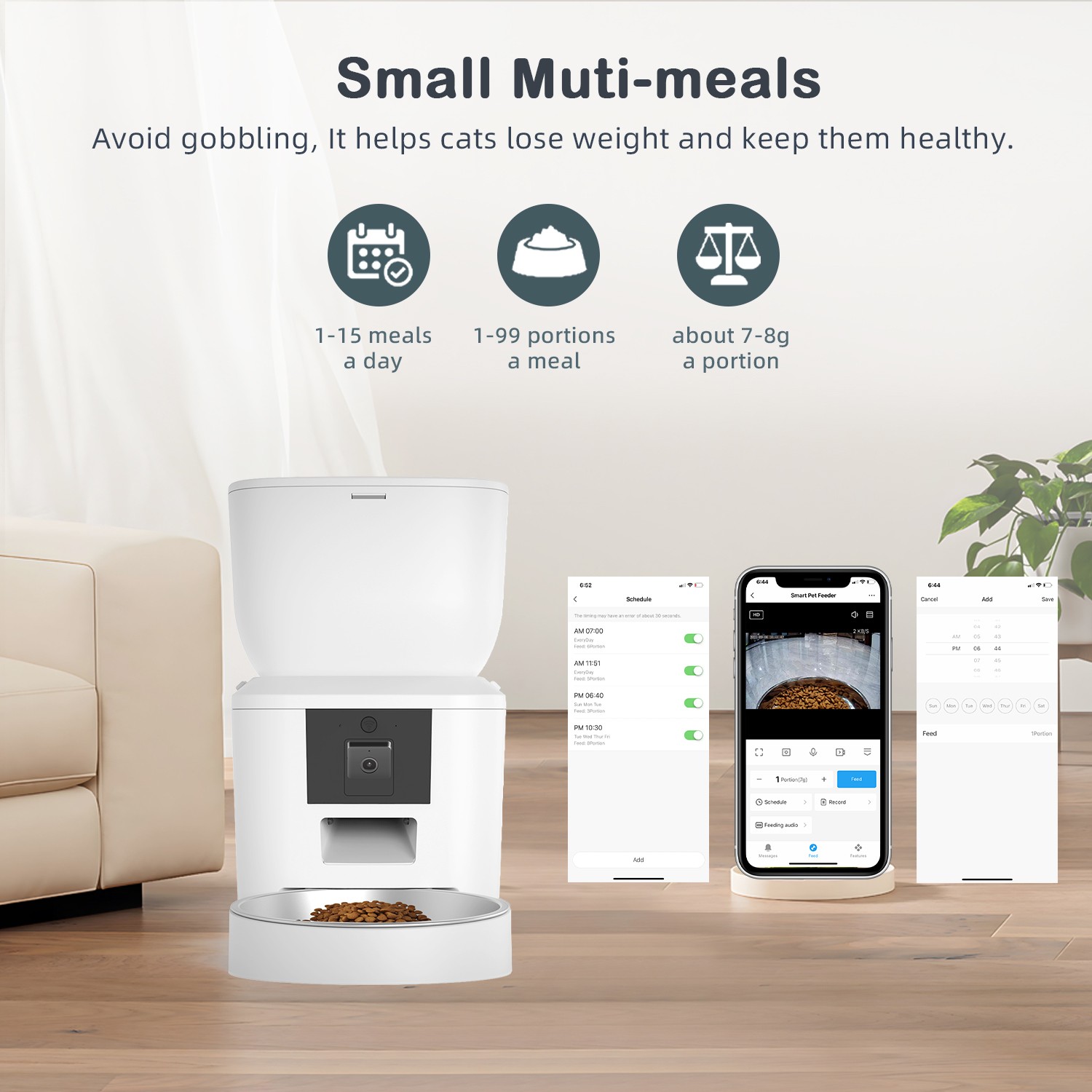
The year 2025 marks a meaningful shift in how pet owners approach everyday cat care, driven by rising expectations around precision, convenience, and preventive health management. As smart home ecosystems mature, pet parents are increasingly integrating automated devices into their routines—not just for security and energy control, but for nutrition and wellness as well. Among these tools, automatic pet feeders have transitioned from simple convenience devices to essential components of a structured, health-focused feeding strategy.
Recent industry data shows a continued rise in feline obesity, digestive sensitivity, and irregular eating behaviors among indoor cats. These challenges are closely associated with two common feeding practices: over-reliance on free-feeding and inconsistent human-controlled meal schedules. In this context, smart feeders offer a solution that aligns with modern living patterns—providing controlled portions, timed meals, and data-driven insights that support healthier, more predictable routines.
At the same time, global demand for hands-free, low-maintenance pet care has accelerated. Owners who work long hours, travel frequently, or manage multi-cat households now prioritize tools that deliver both reliability and precision. Modern smart feeders introduced in 2025 respond directly to these needs with improved dispensing accuracy, quieter motors, stronger safety protections, and seamless app connectivity.
Together, these shifts explain why 2025 represents a turning point. Smart feeders are no longer viewed as optional gadgets—they are becoming the standard foundation for maintaining cat health, reducing stress, and creating stable daily rhythms in contemporary pet households.
II. What "Smart Feeding" Means in 2025
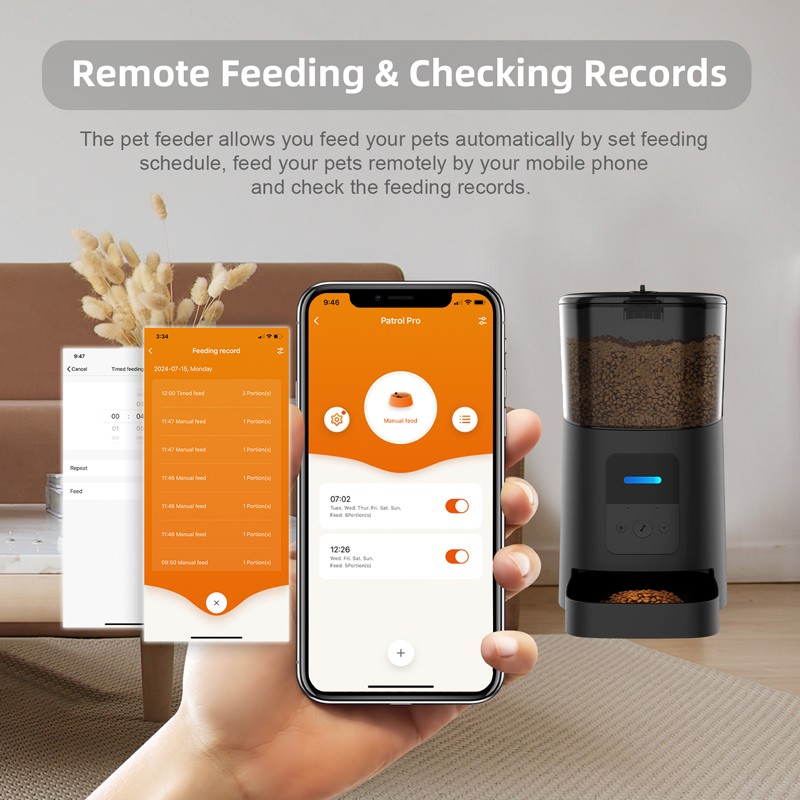
Smart feeding in 2025 is defined by a more integrated, data-driven, and behavior-aware approach to managing a cat’s daily nutritional routine. It goes beyond basic automation and focuses on delivering predictable, precise, and health-aligned feeding patterns that reflect the needs of modern indoor cats.
At its core, smart feeding combines three functional pillars:
1. Scheduled, Consistent Meal Timing
Cats thrive on routine, and irregular meal times often contribute to anxiety, overeating, and nighttime food-seeking behavior. In 2025, smart feeders allow owners to set highly customized schedules—ranging from two to six meals per day—ensuring that cats receive food at biologically appropriate intervals, even when owners are asleep or away from home.
2. Precision Portion Control
Obesity remains one of the most widespread health issues among domestic cats. Smart feeders now dispense food with gram-level accuracy and offer fine-tuned portion adjustments. This level of control minimizes human error, reduces calorie surpluses, and supports tailored feeding plans for kittens, adult cats, and weight-management cases.
3. Monitoring, Analytics, and App Integration
Today’s smart feeding systems integrate seamlessly with mobile apps, enabling real-time control, feeding logs, consumption history, and alerts. Owners can remotely trigger a supplemental feeding, adjust schedules instantly, or verify whether a meal was delivered. In multi-cat scenarios, analytics help identify overeating patterns, early signs of reduced appetite, or irregular feeding behavior that may indicate health issues.
Beyond these pillars, 2025 smart feeders incorporate several advancements that meaningfully elevate the feeding experience:
Enhanced Sensor Systems: Anti-jam detection, food-level monitoring, and safety locks.
Quieter, Low-Vibration Motors: Minimizes noise-induced stress for sensitive cats.
Improved Hygiene Features: Sealed hoppers, desiccant drying systems, and stainless-steel feeding bowls.
Multi-Cat Support: Anti-snatch designs, feeding-area barriers, and individualized feeding profiles.
Smart-Home Compatibility: Integration with major ecosystems for automated routines.
Collectively, these capabilities transform feeding from a manual, reactive task into a proactive, optimized system. In 2025, smart feeding is not merely about automation—it represents a structured wellness strategy that aligns with both feline biology and the increasingly dynamic lifestyles of modern pet owners.
III. Key Health Benefits: How Smart Feeders Improve Cat Physiology

Smart feeding offers more than convenience—it directly supports feline physiology by stabilizing eating patterns, reducing strain on the digestive system, and promoting healthier long-term outcomes. In 2025, enhancements in dispensing precision, scheduling flexibility, and data monitoring make automatic feeders a highly effective tool for improving the overall health profile of indoor cats.
1. Weight Management & Obesity Prevention
Obesity rates among domestic cats continue to rise, driven largely by unrestricted free-feeding and oversized portions. Smart feeders address these issues through strict portion accuracy and consistent calorie distribution.
Controlled Portions: Automated dispensing ensures calorie intake stays within healthy limits, avoiding accidental overfeeding.
Even Meal Spacing: Smaller, scheduled feedings support a steady metabolic rate and reduce fat accumulation.
Calorie-Adjusted Routines: Owners can program precise daily intake based on age, weight, and veterinarian recommendations.
Compared with free-feeding, scheduled smart feeding can significantly reduce overeating behavior and support gradual, sustainable weight loss for overweight cats.
2. Better Digestive Health
Irregular or overly large meals can lead to vomiting, bloating, and digestive discomfort—especially in cats with sensitive stomachs. Smart feeders mitigate these problems by promoting stable, predictable intake.
Avoids "Gorging": Smart feeders can divide daily food into multiple small servings, preventing cats from eating too much at once.
Supports Nutrient Absorption: Regular feeding intervals help the digestive system process nutrients more effectively.
Ideal for Sensitive or Senior Cats: Precise scheduling minimizes digestive shock and reduces post-meal discomfort.
Cats with a history of digestive issues often show noticeable improvement when shifted to a structured routine.
3. Balanced Hydration & Feeding Rhythm
Hydration plays a direct role in kidney, urinary tract, and overall metabolic health. While smart feeders primarily manage food intake, they indirectly encourage healthier drinking behavior.
Coordinated Routines: When feeding times become predictable, cats naturally form drinking habits around those rhythms.
Supports Water Fountain Use: Many owners pair smart feeders with smart fountains, creating a synchronized routine that improves total hydration.
Reduced Risk of Dehydration: Especially beneficial in dry climates or winter months when cats tend to drink less.
By stabilizing both feeding and hydration cycles, smart feeding systems contribute to better urinary tract health and reduced risk of kidney-related problems.
4. Improved Long-Term Wellness
Consistent feeding routines help regulate blood sugar levels, reduce stress, and prevent overeating driven by uncertainty or boredom. Over time, these factors contribute to:
Lower risk of diabetes
Healthier lean body mass
Better sleep and behavior patterns
Improved overall vitality
Together, these physiologic benefits make smart feeders more than a lifestyle upgrade—they represent an evidence-based tool for maintaining a healthier daily rhythm for cats, increasing their long-term well-being and reducing preventable health issues.
IV. Behavioral Benefits: Reducing Stress, Competition, and Anxiety

Feeding routines have a profound impact on feline behavior. Cats are creatures of habit, and inconsistent meal times or resource competition can trigger stress, aggression, and destructive behaviors. Smart feeders address these root causes by providing predictability, eliminating human-related feeding tension, and reducing competition—especially in multi-cat homes.
1. Eliminating Food-Guarding & Resource Competition
In households with more than one cat, food-related tension is one of the most common behavioral complaints. Smart feeders minimize these issues by creating structured, conflict-free environments.
Predictable Access Removes Anxiety: Cats no longer worry about when or whether food will be available.
Anti-Snatch or Controlled-Access Features: Modern feeders limit opportunities for dominant cats to steal food.
Reduced Rivalry: When each cat receives a consistent portion on schedule, resource-based aggression naturally decreases.
The result is a calmer feeding environment and more harmonious multi-cat interactions.
2. A Better Morning Routine: No More 4–5 AM Wake-Ups
Early-morning food begging is a widespread frustration for cat owners. Cats often learn to wake their owners because feeding is tied to human presence.
Smart feeders break this behavioral loop:
Automatic early meals discourage cats from associating humans with breakfast.
Consistent morning routine reduces persistent meowing, pawing, or pacing at dawn.
Improved sleep for both owners and cats.
This benefit alone is a major reason many families adopt smart feeding.
3. Reduced Destructive or Attention-Seeking Behavior
When feeding is irregular or delayed, cats may engage in attention-seeking or destructive behavior, including:
Excessive meowing
Scratching furniture or doors
Knocking over items
Pacing or agitation
Smart feeding provides emotional security by stabilizing expectations. Cats with predictable feeding schedules exhibit:
More relaxed body language
Less demanding behavior
Lower stress-related activity
This is especially valuable for cats with anxiety, newly adopted pets who are still adjusting, or cats with a history of food insecurity.
4. Independence & Reduced Human-Feeding Association
Automatic feeders help shift feeding responsibility away from the human, which improves behavior in several ways:
Cats become less clingy or demanding around mealtimes.
Human absence no longer triggers stress about food.
Owners can travel or work late without worrying about mealtime disruptions.
The psychological benefit is clear: when food delivery becomes consistent and non-negotiable, cats feel more secure and less inclined to seek control over the feeding process.
5. Establishing Calm Daily Rhythms
Predictable mealtimes help regulate not only hunger but also activity and rest cycles. With smart feeders, cats:
Play more during the day
Sleep more soundly at night
Show fewer energy spikes tied to irregular feeding
A stable routine reinforces overall behavioral balance and supports a healthier, more peaceful home environment.
Overall, smart feeders provide a behavior-focused solution that reduces stress, prevents food-related conflict, and fosters a calmer, more predictable day-to-day rhythm for both cats and their owners.
V. Key Health Benefits of Using Automatic Feeders
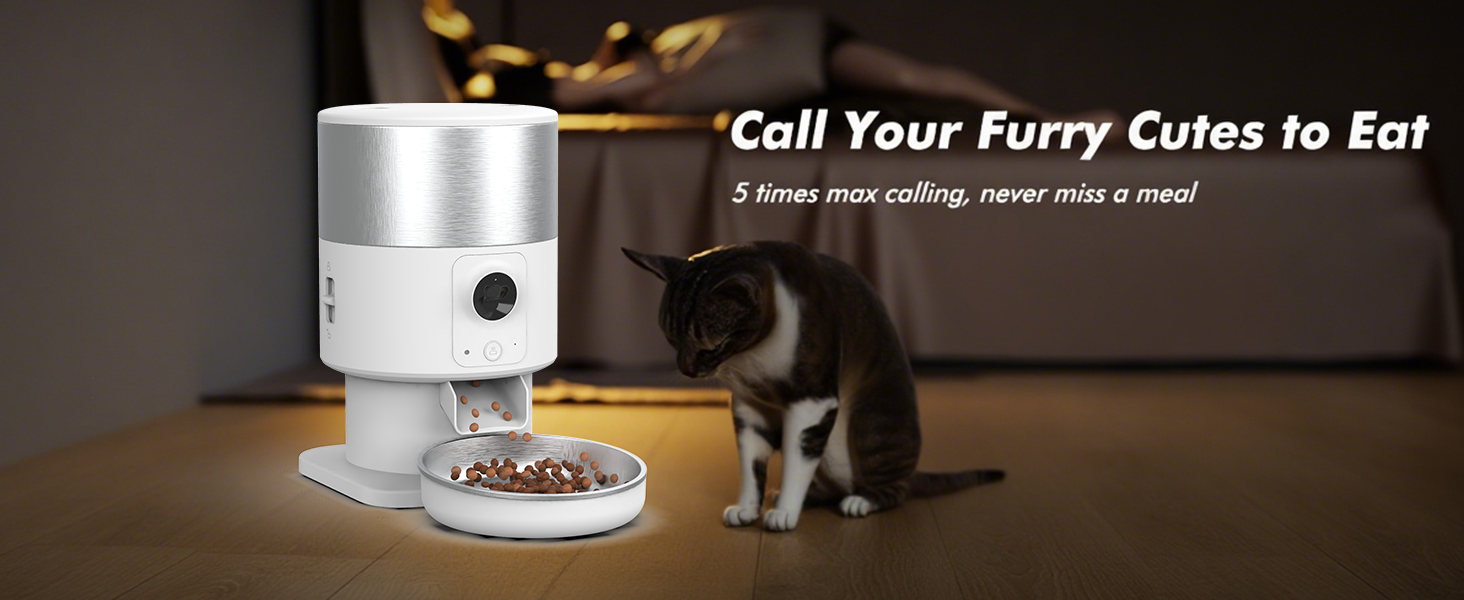
Automatic pet feeders are more than just a convenience—they play a crucial role in maintaining your cat’s health. Here are the key benefits:
1. Weight Management
Scheduled portions prevent overeating and help control your cat’s weight.
Especially beneficial for indoor cats or those prone to obesity.
2. Consistent Meal Times
Cats thrive on routine. Regular feeding times support digestive health and reduce stress.
Helps avoid erratic eating patterns that can lead to gastrointestinal issues.
3. Reduced Risk of Behavioral Issues
Cats often develop food-guarding behaviors or mealtime anxiety. Automatic feeders provide a steady, predictable source of food.
Minimizes aggression around feeding time in multi-cat households.
4. Monitoring Food Intake
Many smart feeders allow you to track how much your cat eats daily.
Early detection of appetite changes can signal health issues before they become severe.
5. Support for Special Diets
Cats with medical conditions (e.g., diabetes, kidney disease) require precise portions and timing.
Automatic feeders ensure adherence to vet-recommended feeding plans.
VI. Behavioral Advantages & Lifestyle Improvements
Automatic feeders don’t just benefit your cat’s health—they also improve behavior and enhance your household routine:
1. Reduced Anxiety and Stress
Cats often feel stressed when food availability is unpredictable.
Scheduled feeding provides a sense of security and reduces mealtime-related anxiety.
2. Minimized Begging and Overexcitement
Cats learn to associate food with the feeder rather than your immediate presence.
Reduces mealtime begging, jumping, or disruptive behavior around the kitchen.
3. Encourages Positive Habits
Gradual portion release can help slow down fast eaters, reducing the risk of vomiting or digestive upset.
Encourages mindful eating, which can improve overall digestion and satisfaction.
4. Multi-Cat Harmony
Automatic feeders can be programmed for multiple cats, preventing conflicts over food.
Each cat receives its designated portion at its own schedule, promoting peace in shared spaces.
5. Flexibility for Busy Lifestyles
Feeding routines no longer depend on your personal schedule.
Supports consistent care even when you are away, traveling, or working long hours.
VII. Choosing the Right Smart Feeder for Your Cat
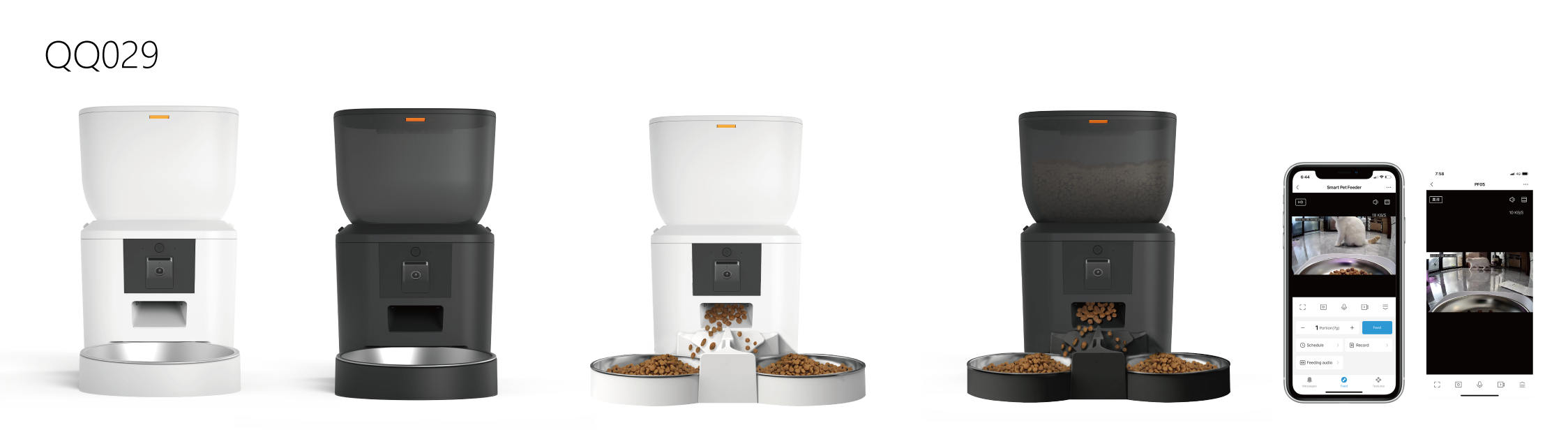
Selecting the right automatic feeder is key to maximizing health and behavioral benefits. Consider these factors:
1. Portion Control & Capacity
Choose a feeder that allows precise portioning based on your cat’s size, age, and dietary needs.
Consider the food storage capacity if you are away for extended periods.
2. Programmable Schedules
Look for feeders with flexible scheduling options, including multiple meals per day.
Some feeders allow you to adjust portions and timing remotely via an app.
3. Compatibility with Food Types
Ensure the feeder accommodates the type of food your cat eats—dry kibble, wet food, or mixed diets.
Some models include ice packs or moisture protection for wet food.
4. Ease of Cleaning & Maintenance
Detachable trays and bowls simplify cleaning and reduce bacterial growth.
Check for dishwasher-safe components and smooth surfaces.
5. Smart Features & Monitoring
Wi-Fi connectivity, mobile app alerts, and consumption tracking can help you monitor your cat’s eating habits.
Some feeders integrate with other smart home devices for a fully automated routine.
6. Safety & Reliability
Choose feeders with anti-jamming mechanisms and food lock systems.
Ensure the feeder is made from non-toxic materials and meets safety standards.
VIII. Tips for Maximizing Your Cat’s Feeding Routine
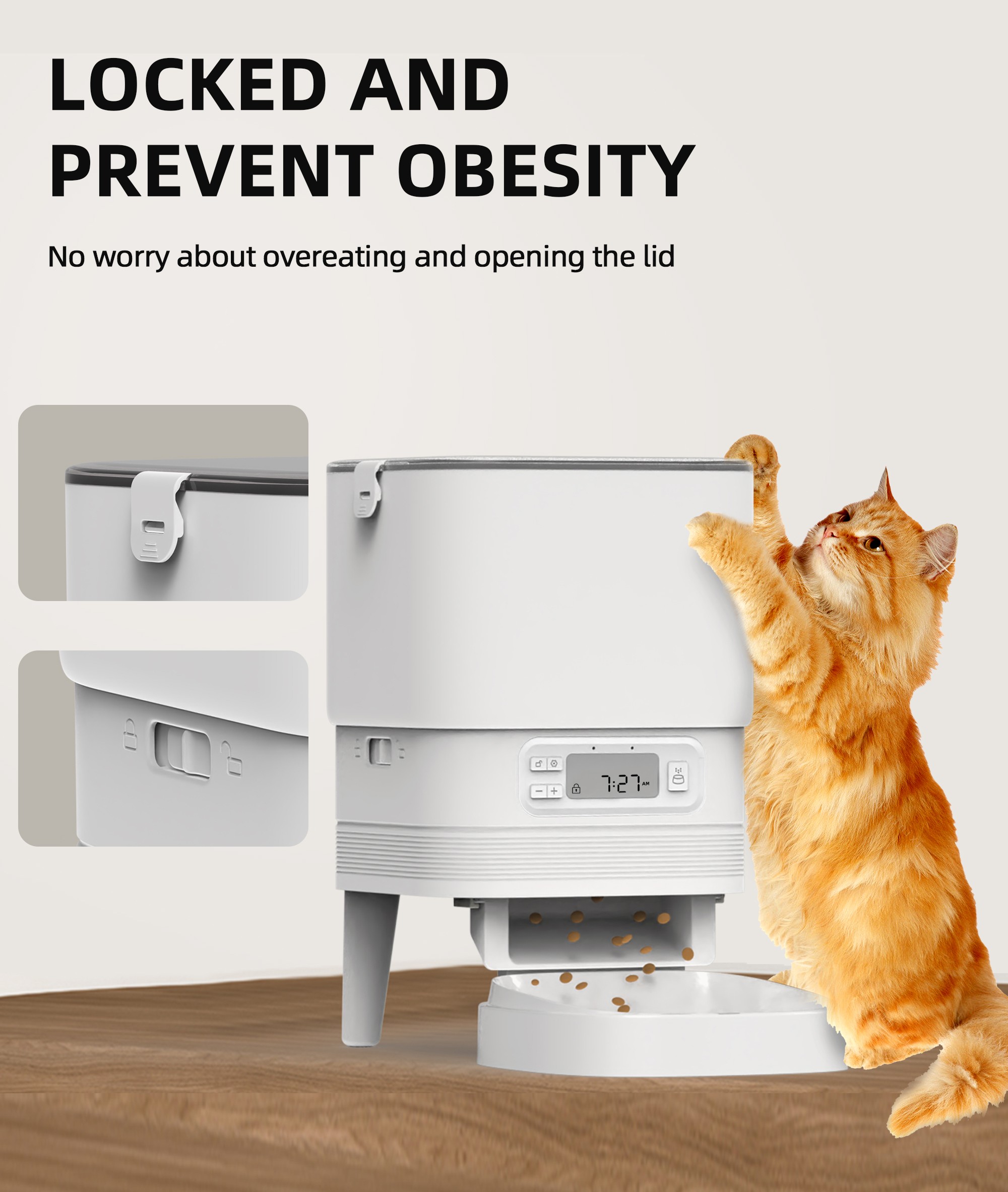
Even the best smart feeder works best when paired with mindful practices. Here’s how to optimize your cat’s feeding routine:
1. Start Gradually
Introduce the feeder slowly, allowing your cat to explore and get used to it.
Begin with a few scheduled meals before moving to a full routine.
2. Monitor Eating Behavior
Track how your cat responds to portion sizes and meal timing.
Adjust portions gradually to maintain ideal weight and prevent overeating.
3. Maintain Cleanliness
Clean feeding trays, bowls, and storage compartments regularly.
This ensures food safety and keeps your cat engaged with fresh meals.
4. Use Feeding as Enrichment
Consider puzzle-style feeders or slow-release options to stimulate your cat mentally.
Encourages natural hunting instincts and reduces boredom.
5. Combine with Healthy Lifestyle Practices
Pair feeding routines with playtime and exercise to support overall health.
Ensure access to fresh water at all times, especially if feeding dry kibble.
6. Leverage Smart Features
Use app notifications to monitor missed meals or unusual feeding patterns.
Remote feeding can be a lifesaver during travel or unpredictable schedules.
7. Observe Multi-Cat Dynamics
If feeding multiple cats, track each cat’s consumption to ensure everyone gets their portion.
Adjust scheduling or use separate feeders to reduce competition and stress.
Conclusion
Smart feeding routines in 2025 are transforming the way we care for our cats. Automatic feeders offer more than convenience—they support weight management, reduce stress, encourage positive behaviors, and provide flexibility for busy lifestyles. By choosing the right feeder and implementing thoughtful practices, you can enhance your cat’s health, happiness, and overall well-being. Investing in a smart feeding system is not just about technology—it’s about giving your cat a healthier, more structured, and enriched life.
FAQ: Automatic Pet Feeders
Q1: Are automatic feeders safe for all cats?
Yes, they are generally safe for most cats. Ensure you choose a feeder that fits your cat’s size and dietary requirements. Supervise during initial use to help them adjust.
Q2: Can one feeder handle multiple cats?
For automatic feeders, a single feeder can often serve 2–3 cats, as it schedules meals individually and cleans itself efficiently. For more than three cats, consider adding an extra feeder.
Q3: How often should I clean the feeder?
Daily cleaning of feeding bowls and weekly cleaning of food storage compartments is recommended to maintain hygiene and prevent bacterial growth.
Q4: Can I feed wet food with automatic feeders?
Some models support wet food, often with ice packs or moisture protection. Always check the feeder specifications.
Q5: Will my cat overeat with an automatic feeder?
No, automatic feeders dispense controlled portions, which helps prevent overeating and supports weight management.
Q6: Do I need Wi-Fi or an app to use an automatic feeder?
Not always. Basic feeders operate manually, but smart feeders with apps allow for remote monitoring, scheduling, and notifications.