
Why Your Smart Litter Box Isn’t Solving Odor Problems — And How to Fix It in 2025
Date: 2025-12-08 Categories: Guides Hits: 1942
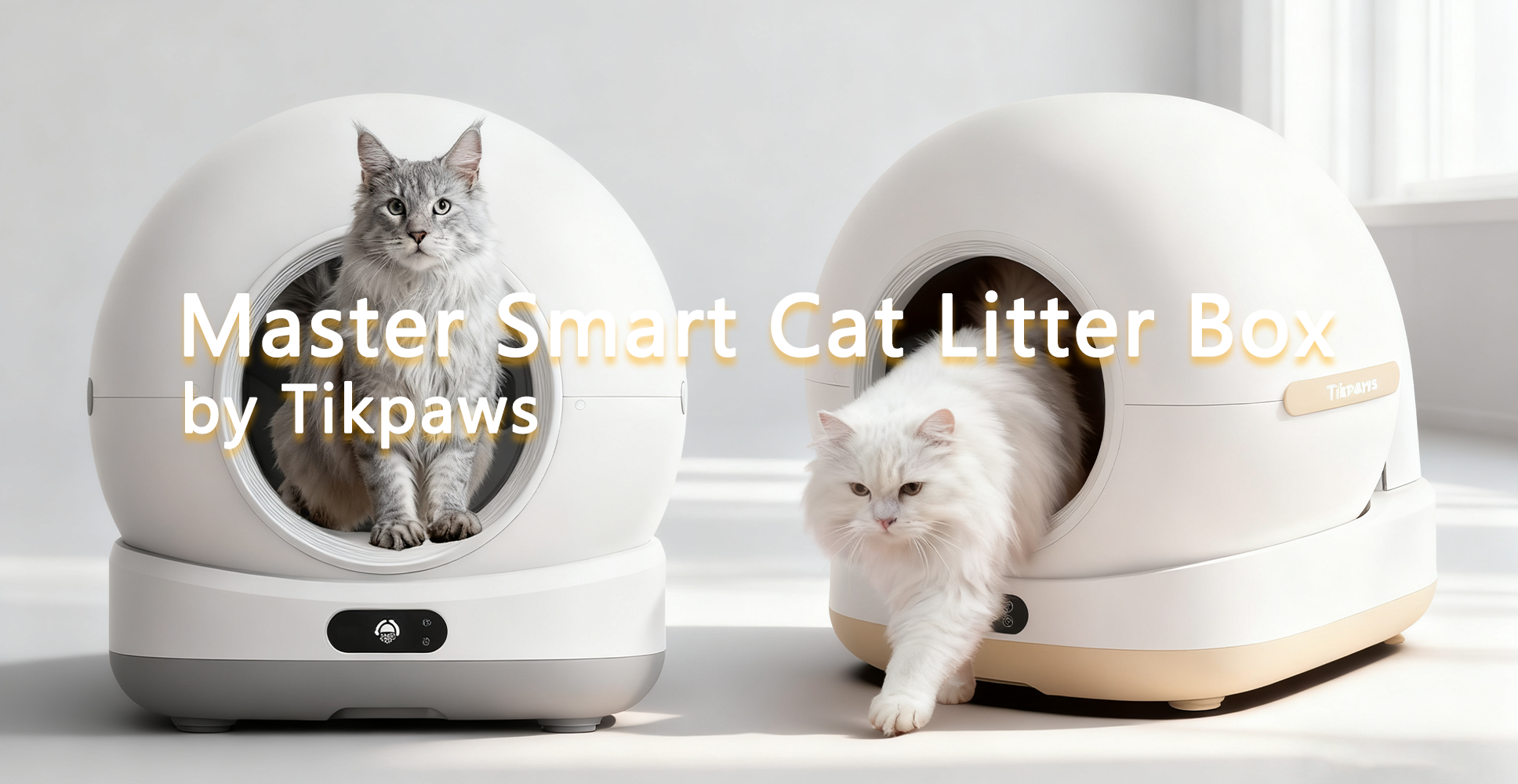
Why Your Smart Litter Box Still Smells and How to Fix It in 2025
I. Introduction: When a "Smart" Litter Box Still Smells
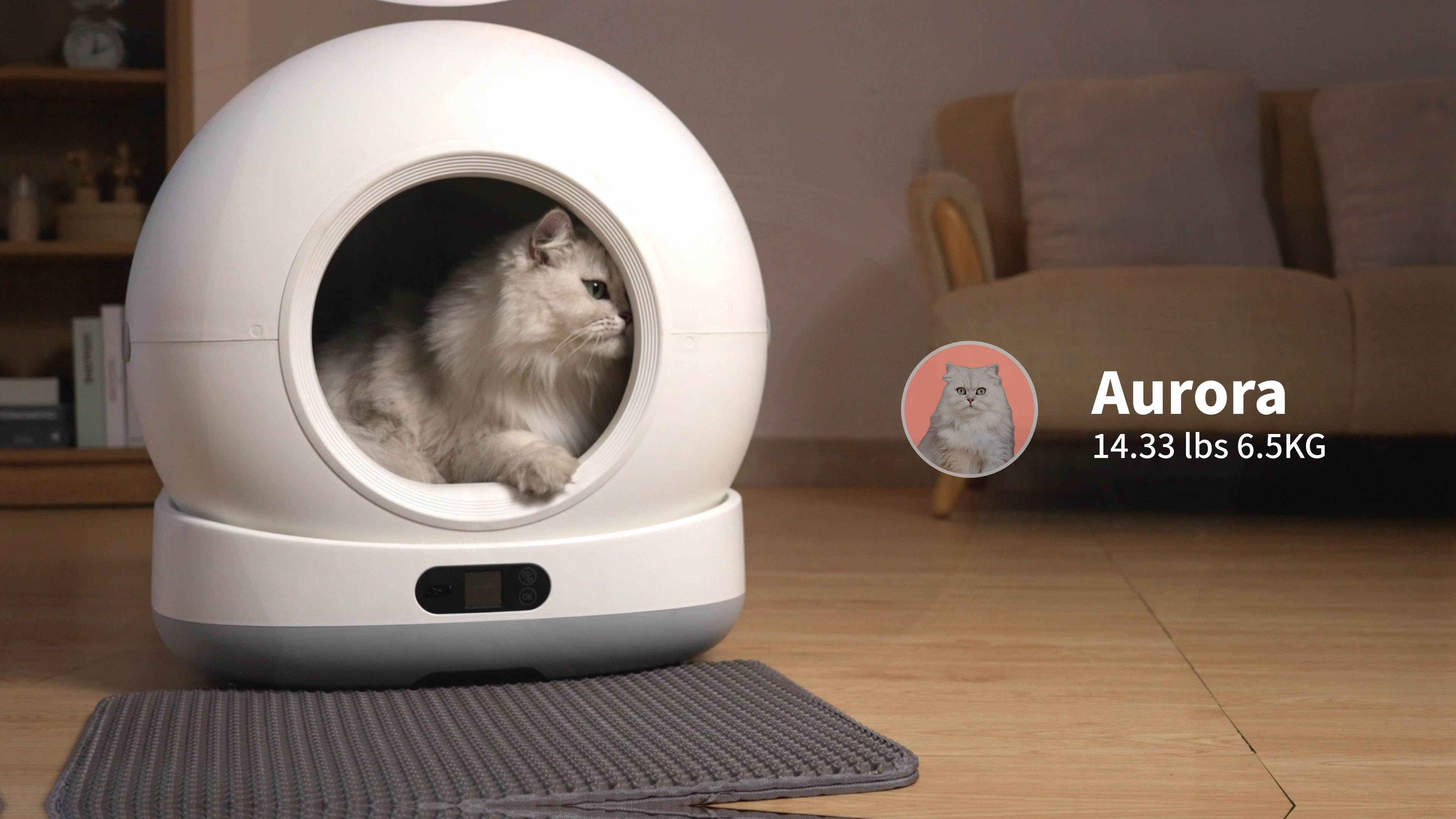
A smart litter box is designed to reduce daily cleaning, improve hygiene, and minimize unpleasant odors. Yet many cat owners still notice that, even with advanced automation, the room carries an unmistakable smell of ammonia or lingering waste gases. According to the American Veterinary Medical Association, ammonia from cat urine can accumulate quickly in poorly ventilated indoor spaces, especially when cleaning intervals or odor-control mechanisms are insufficient (Reference: AVMA – Pet Health Resources).
Odor buildup is more than a minor inconvenience. Research from the Environmental Protection Agency notes that volatile organic compounds (VOCs), including those produced by organic waste, disperse more aggressively in humid or enclosed environments (Reference: EPA – Indoor Air Quality).
Additionally, the Cornell Feline Health Center highlights that litter type plays a significant role in odor absorption and ammonia trapping. Low-absorption litter can allow odors to escape even if the litter box itself is automated (Reference: Cornell University – Feline Health Center).
In short, automation alone does not guarantee an odor-free environment. The problem typically involves several interacting factors: design limitations, environmental conditions, incorrect litter selection, or insufficient odor-control technology.
This guide explains why smart litter boxes sometimes fail to eliminate smells—and more importantly, how you can solve odor problems effectively in 2025 using both simple daily adjustments and new-generation deodorization technologies.
II. The Real Reasons Your Smart Litter Box Still Smells
Even with automation, a smart litter box can still produce noticeable odors. In most households, the issue comes from a combination of design constraints, environmental factors, and user habits rather than a single failure point.
1. Insufficient Sealing or Airflow Control: Many models rely on partially enclosed waste compartments. If the sealing strip is thin, the lid is loose, or the waste drawer is not fully airtight, odor escapes through micro-gaps. Ammonia and VOC molecules are extremely small and can pass through weakly sealed structures, causing continuous low-level smell release.
2. Cleaning Cycles That Don't Match Real Usage: Smart litter boxes typically trigger cleaning based on timed intervals or basic sensor detection. However, cats often urinate multiple times before a cleaning cycle is activated, which increases the duration during which odor develops and escapes. High-usage periods—common in multi-cat homes—worsen the issue.
3. Incorrect or Low-Quality Litter: Litter type has a direct effect on odor control. Non-clumping or low-absorption litter cannot trap moisture effectively, allowing ammonia to form and evaporate. Even in a fully automated device, poor-quality litter can undermine every other odor-control feature.
4. High Moisture or Poor Ventilation in the Room: Humidity accelerates odor diffusion, and placing the litter box in a closed laundry room, bathroom, or basement can concentrate the smell. Without air circulation, even the best deodorization technology struggles to compensate for environmental limitations.
5. Residue Buildup Inside the Mechanism: Waste residue on internal surfaces—whether in the globe, rake, shovel system, or waste chute—creates persistent "background odor." Smart litter boxes reduce daily scooping but still require routine internal cleaning. If residue accumulates, the odor becomes noticeable even immediately after an automated cleaning cycle.
6. Multi-Cat Households Overloading the System: Many devices are rated for one to two cats, but real usage often exceeds expectations. When multiple cats share a single system, the frequency of urination and defecation overwhelms the cleaning cycle, creating prolonged odor exposure and faster saturation of the waste compartment.
III. Why Traditional Odor-Control Features Aren't Enough
Many smart litter boxes claim to offer odor control through filters, timed cleaning, or partial enclosure. However, these conventional methods often fail to address the underlying chemistry and airflow dynamics of odor production, which is why smells may continue even when the device is functioning "as intended."
1. Passive Filters Cannot Neutralize High-Ammonia Periods: Most older smart litter boxes rely on carbon filters or simple screens that absorb some odor molecules. These filters work only when airflow passes through them, and their absorption capacity is limited. During peak ammonia release—typically within minutes after urination—passive filters cannot react quickly enough to prevent odor leakage.
2. Timed or Delayed Cleaning Leaves a "Smell Window": Timed cleaning cycles or sensors that trigger only after the cat exits introduce a delay between waste production and waste removal. Even a 5–10 minute window is sufficient for ammonia to evaporate and escape, especially if the waste compartment is not tightly sealed. This delay is one of the most overlooked contributors to odor problems.
3. Limited Control Over Airflow and Pressure: Most smart litter boxes do not actively manage internal airflow. Without negative pressure or controlled ventilation pathways, odors naturally spread outward through gaps or openings. Devices with open-top or partially enclosed designs allow odors to diffuse freely into the surrounding room.
4. Filters Become Ineffective Long Before Users Replace Them: Carbon filters saturate quickly—often within weeks—yet many users replace them only every two to three months. Once saturated, a filter ceases to absorb odor molecules and can even become a secondary source of smell. Since most smart litter boxes include only passive reminders instead of real-time condition monitoring, filters are often used far beyond their effective lifespan.
5. Lack of VOC or Ammonia Sensor Integration: Traditional models typically detect only weight changes or movement triggers. Without VOC or ammonia sensors, the device cannot respond dynamically to odor spikes. This means that odor control is based on time intervals rather than real environmental conditions.
6. Open Waste Pathways Allow Odors to Escape: Older designs frequently use open chutes, rakes, or transition areas that temporarily expose waste before it reaches the bin. Each exposure point becomes a path for odor diffusion, especially during cleaning cycles.
IV. How Tikpaws Improves Odor Control at the Source
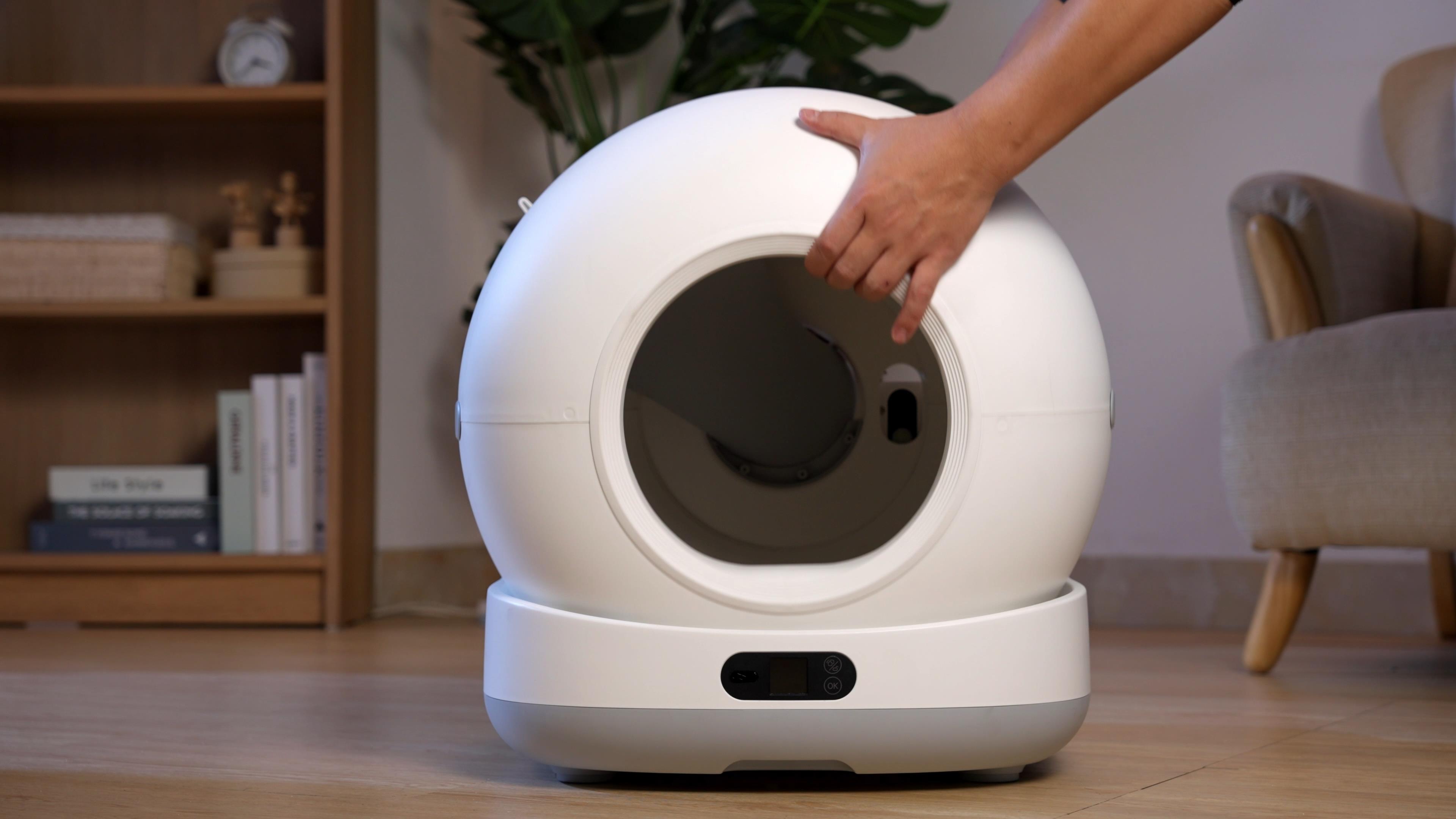
Even the smartest litter box can't completely eliminate odor if it doesn't address the problem at its source. Tikpaws tackles this challenge with a multi-layered approach designed for real-world pet homes:
Scientifically Tested Deodorizing Gel
Tikpaws' deodorizing gel has been rigorously tested in laboratories and passes RoHS chemical standards, demonstrating up to 99.8% ammonia neutralization. Placed directly in the waste compartment, the gel continuously neutralizes ammonia and other odor-causing compounds, while releasing a gentle scent that keeps unpleasant smells from hitting you when changing the litter bag.
Optimized Replacement Cycle
The litter box comes with a recommended 14-day replacement cycle for the deodorizing gel. This ensures peak performance, although laboratory tests show that the gel can remain effective for over 30 days. This cycle strikes a balance between convenience and odor control, helping users maintain a consistently fresh environment.
Airflow Design for Odor Management
Good airflow is key to keeping odors from lingering. Tikpaws is already experimenting with air pressure circulation designs in upcoming product lines, which will accelerate the removal of volatile odors from the compartment and improve overall air freshness. Users can expect even cleaner-smelling homes in the near future.
Best Practices for Litter Use
Some odor is unavoidable between cleanings—after all, even human toilets have faint smells. To minimize this, Tikpaws recommends using high-quality mineral-based clumping litter, which quickly forms tight clumps around waste. This prevents sticking, reduces buildup inside the litter box, and effectively traps odors before they spread.
By addressing odor at its source—from chemical neutralization to litter quality—Tikpaws ensures that your smart litter box does more than just look intelligent; it actively creates a fresher home environment for both you and your cat.
V. 2025 Latest Litter Box Odor Control Trends
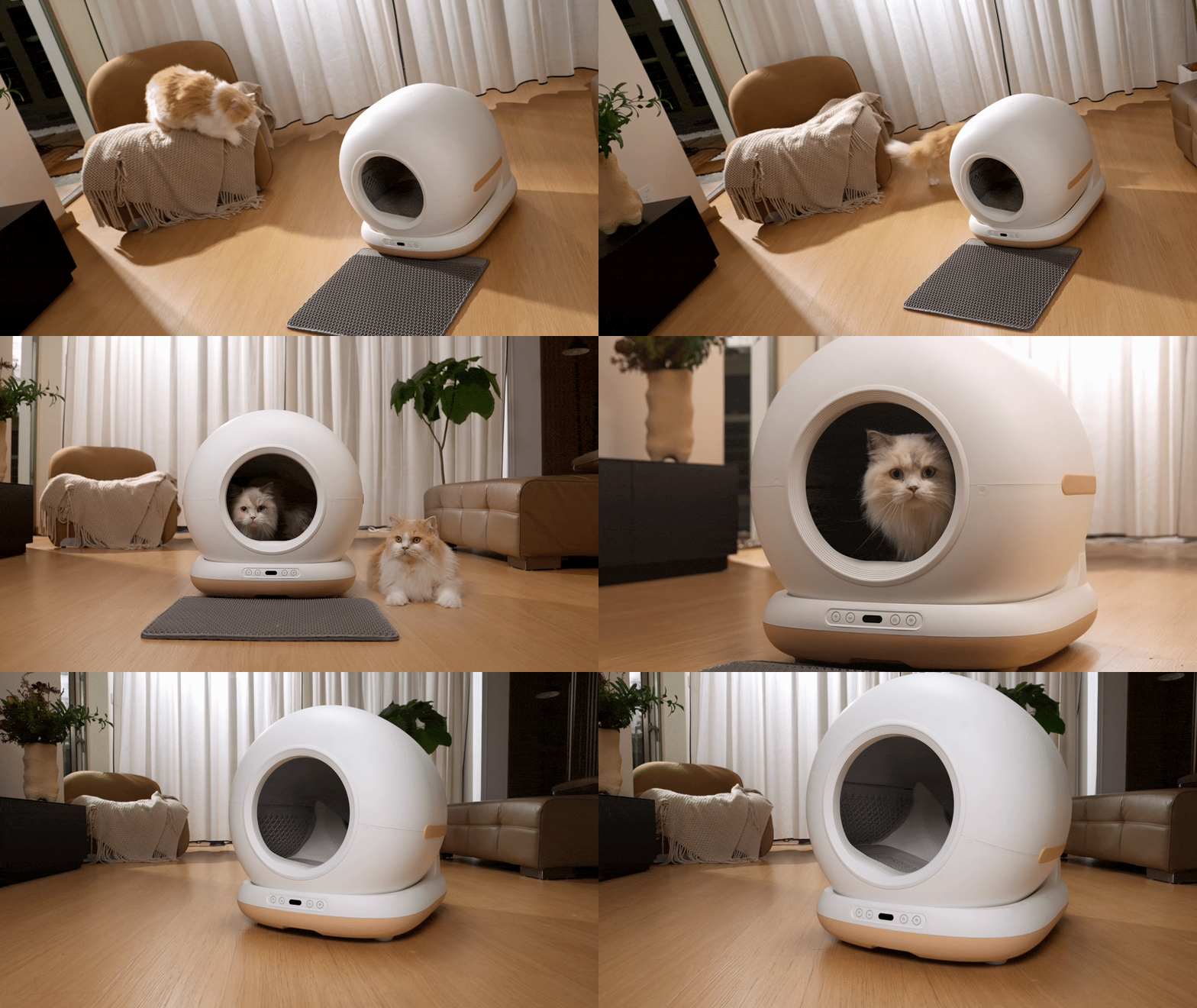
The landscape of smart litter boxes in 2025 is evolving rapidly, with odor control technologies taking center stage. Here are the most important trends shaping the market and how they address persistent odor problems.
Trend 1: AI + Sensor-Driven "Active Monitoring + Smart Cleaning"
Next-generation litter boxes increasingly integrate multiple sensors—weight, motion, and waste detection—combined with AI to analyze a cat's bathroom habits. This allows the litter box to differentiate between urine and feces events and trigger cleaning cycles based on real-time odor risk, not just a fixed schedule. By reducing the window during which odors can accumulate, these systems significantly improve overall freshness【1】.
Trend 2: From Passive to Active Odor Neutralization
Traditional litter boxes often rely on passive odor absorption, such as carbon filters, which struggle to keep up with ammonia and volatile gases. Modern systems are shifting toward active neutralization, using enzymatic compounds, deodorizing gels, or slow-release odor neutralizers that target the source of odors, rather than merely masking them【2】. This aligns with the core purpose of smart litter boxes: maintaining a clean-smelling environment for both pets and owners.
Trend 3: Airflow, Negative Pressure, and Ventilation Systems
As litter boxes become more like home appliances, airflow management is gaining importance. New designs incorporate negative pressure and compartmentalized airflow to accelerate odor removal, reduce moisture, and prevent odor buildup, especially in multi-cat households or small living spaces【3】.
Trend 4: Smart Litter Boxes as Pet Health and Environmental Monitors
Smart litter boxes are no longer just automated scooping devices—they are becoming integrated IoT hubs for monitoring pet health and indoor air quality. Data-driven insights on bathroom behavior can help owners spot early health issues while maintaining a fresher home environment【4】.
Trend 5: User Focus on Longevity, Performance, and Convenience
As the market matures, users increasingly demand high-quality, durable, and long-lasting odor control solutions. Features such as consistent performance, easy maintenance, and multi-layered odor management are now top priorities in purchasing decisions【5】.
Why These Trends Matter for Odor Control
| Challenge | How Trends Help |
|---|---|
| Slow passive odor absorption | Active odor neutralization & smart cleaning |
| Fixed cleaning schedules leave odor windows | AI + sensor-driven real-time cleaning |
| Airborne odor spread | Negative pressure and airflow management |
| Multi-cat or high-use environments | Data-driven scheduling & strong deodorization systems |
| Long-term performance & ease of use | High-quality materials, durable odor control, user-friendly design |
VI. How to Maintain Optimal Odor Control
Even the most advanced smart litter box cannot perform at its best without proper maintenance. Here's a practical guide to keeping odors under control in your home:
1. Follow Recommended Cleaning Cycles: Stick to the manufacturer's suggested cleaning and deodorizer replacement schedule. For Tikpaws, the 14-day deodorizing gel replacement ensures maximum effectiveness, though the gel can last longer in controlled conditions. Empty and sanitize the waste compartment regularly to prevent buildup of ammonia and bacteria. Weekly wipe-down: Even without fully disassembling the litter box, perform a simple cleaning and wipe of the interior at least once a week to prevent residue buildup.
2. Use High-Quality Litter: Opt for clumping, mineral-based litter. These litters quickly form solid clumps around waste, reducing odor escape and preventing residues from sticking to the box. Avoid low-quality or non-clumping litters, which can increase odor and complicate cleaning.
3. Monitor Airflow and Ventilation: Ensure the litter box is placed in a well-ventilated area. Avoid enclosing it in tight spaces without airflow, as stagnant air allows odors to accumulate. If your litter box supports airflow features, ensure vents are unobstructed.
4. Control Moisture: Excess moisture accelerates odor formation. Remove wet clumps promptly and avoid overfilling the litter box with litter. Dry the compartment during cleaning to prevent lingering damp smells.
5. Behavior-Based Adjustments: Multi-cat households may require more frequent scooping or multiple litter boxes. Observe your cat's habits—if odor is recurring quickly, adjust the cleaning frequency or consider additional deodorizing gels. Waste compartment management: Although Tikpaws' 7L waste compartment can hold approximately 10 days of waste for a single cat, it is recommended to empty the waste compartment and replace the bag every 2–3 days for optimal hygiene and odor control.
6. Leverage Supplemental Deodorizers Wisely: Sprinkle baking soda or specialized litter deodorizers on top of litter if needed. Avoid overuse, as excess additives can interfere with clumping performance and may irritate your cat.
7. Keep the Surrounding Area Clean: Wipe the floor and surrounding area regularly to prevent odor from spreading beyond the litter box. Consider placing a washable mat beneath the box to catch stray litter and residual moisture.
By combining proper maintenance, weekly interior cleaning, high-quality litter, and smart airflow management, you can maximize odor control and ensure your home remains fresh—even between cleaning cycles.
VII. Common Mistakes and How to Avoid Them
Even with a high-quality smart litter box, many pet owners unknowingly make mistakes that reduce odor control and overall effectiveness. Here's a guide to the most common pitfalls and how to avoid them:
1. Skipping Regular Cleaning: Mistake: Relying solely on automated scooping and assuming the box never needs manual attention. Solution: Even the smartest litter boxes require regular maintenance. Empty the waste compartment every 2–3 days, replace deodorizing gels on schedule, and perform a weekly interior wipe-down to prevent residue buildup and lingering odors.
2. Using Low-Quality Litter: Mistake: Choosing inexpensive, non-clumping litter to save money. Solution: Invest in high-quality, clumping, mineral-based litter. These litters trap moisture and odors more effectively, form solid clumps for easy removal, and reduce waste sticking to the box interior.
3. Overfilling the Litter Box: Mistake: Adding too much litter, thinking more is better. Solution: Use the recommended litter depth. Overfilling can reduce clumping efficiency, trap moisture beneath the surface, and actually increase odor formation.
4. Ignoring Airflow and Placement: Mistake: Placing the litter box in a corner, closet, or enclosed space without proper ventilation. Solution: Ensure good airflow around the litter box. If your box has built-in airflow or negative pressure features, keep vents unobstructed to enhance odor control.
5. Delaying Waste Bag Changes: Mistake: Waiting too long to empty the waste compartment because it seems "not full yet." Solution: For Tikpaws' 7L compartment, even though it can technically hold up to 10 days of a single cat's waste, emptying every 2–3 days prevents odor buildup and keeps the box hygienic.
6. Overusing Deodorizers: Mistake: Adding excessive baking soda or chemical deodorizers thinking more will eliminate odor. Solution: Use supplemental deodorizers sparingly. Too much can interfere with litter clumping and may irritate your cat's paws or respiratory system.
Key Takeaway
Avoiding these common mistakes will maximize the effectiveness of your smart litter box, reduce odor problems, and ensure a more comfortable environment for both you and your cat. Combining regular maintenance, quality litter, and proper box placement is the foundation for lasting odor control.
VIII. Choosing the Right Litter Box Material and Features
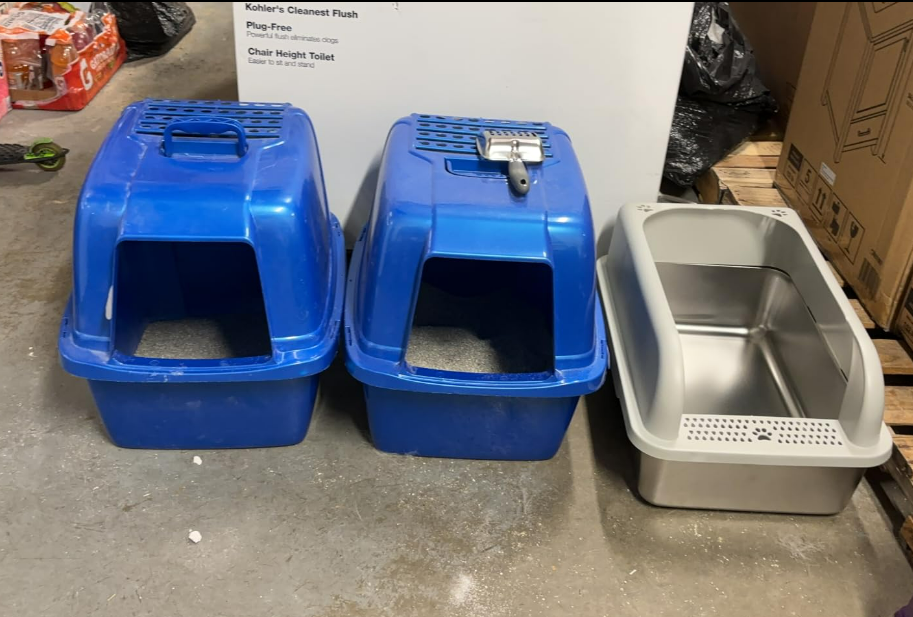
Selecting the right smart litter box is more than just picking a sleek design—it directly impacts odor control, cleaning convenience, and your cat's comfort. Here's a guide to choosing the best materials and features for 2025:
1. Material Matters
·Stainless Steel: Highly durable, non-porous, and easy to sanitize. Stainless steel resists odors and bacteria better than plastic, making it ideal for long-term hygiene.
·High-Quality ABS or Food-Grade Plastic: Lightweight and cost-effective, but choose smooth, non-porous finishes to prevent odor absorption and staining. Avoid low-grade plastics that can retain smells over time.
·Composite or Hybrid Materials: Some modern litter boxes use hybrid materials with removable liners or coatings to combine durability with odor resistance. These are worth considering if you want a balance of maintenance ease and strength.
2. Key Features to Look For
·Effective Sealing and Odor Containment: A tightly sealed lid and well-designed waste compartment reduce odor escape. Look for boxes with deodorizing gel holders, carbon filters, or active neutralization systems.
·Automated Cleaning Options: Whether it's rotating drums, scooping mechanisms, or AI-driven cleaning schedules, automation reduces human error and keeps odors under control.
·Airflow and Ventilation: Built-in vents, negative pressure airflow, or fan-assisted systems help remove lingering ammonia and maintain fresh air around the box.
·Size and Capacity: Ensure the litter box is large enough for your cat to move comfortably. Tikpaws' 7L waste compartment is ideal for a single cat for up to 10 days but emptying every 2–3 days is recommended for hygiene. Multi-cat households may need larger or multiple boxes.
·Ease of Cleaning: Look for removable compartments, smooth surfaces, and dishwasher-safe components. Easy access reduces residue buildup and ensures long-lasting odor control.
·Smart Sensors and Alerts: Motion, weight, or waste detection sensors can trigger cleaning cycles, remind you to change litter or deodorizing gels, and monitor your cat's bathroom habits.
3. Matching Features to Your Household
·Single Cat, Small Home: A compact, sealed box with deodorizing gel and automated cleaning is usually sufficient.
·Multiple Cats, Busy Household: Larger boxes with airflow management, multi-cat compatible clumping litter, and frequent cleaning alerts are critical.
·Health Monitoring Priority: Choose boxes with sensors that track bathroom frequency and behavior, helping detect early health issues.
Key Takeaway
Choosing the right material and features is essential for effective odor control and long-term convenience. Durable, odor-resistant materials combined with smart features ensure your cat enjoys a comfortable space and your home stays fresh.
IX. Conclusion & FAQs
Conclusion
Smart litter boxes have come a long way, but even the most advanced models can struggle with odor if maintenance, material choice, and usage habits are neglected. By understanding the common sources of odor, leveraging technologies like deodorizing gels, airflow systems, and AI-driven cleaning, and following best maintenance practices, pet owners can keep their homes fresh and their cats comfortable.
2025's trends show that active odor neutralization, smart monitoring, and high-quality materials are becoming standard. Selecting a litter box with these features, combined with proper cleaning routines, ensures a cleaner, healthier, and more pleasant environment for both pets and humans.