
Understanding Thanksgiving: History, Meaning & Modern Reflections
Date: 2025-11-27 Categories: Reviews Hits: 959
Understanding Thanksgiving: History, Meaning & Modern Reflections
Introduction

Thanksgiving is one of North America's most cherished holidays, celebrated widely in the United States and Canada. While synonymous with turkey dinners and family gatherings, Thanksgiving has a complex, evolving history that extends far beyond a single historical event. Today, the holiday centers on gratitude, togetherness, and inclusive cultural reflection.
This guide offers an objective, respectful look at Thanksgiving's origins, regional traditions, and modern interpretations—honoring diverse perspectives and the universal spirit of thankfulness.
1. The Historical Roots of Thanksgiving
The Early Colonial Narrative
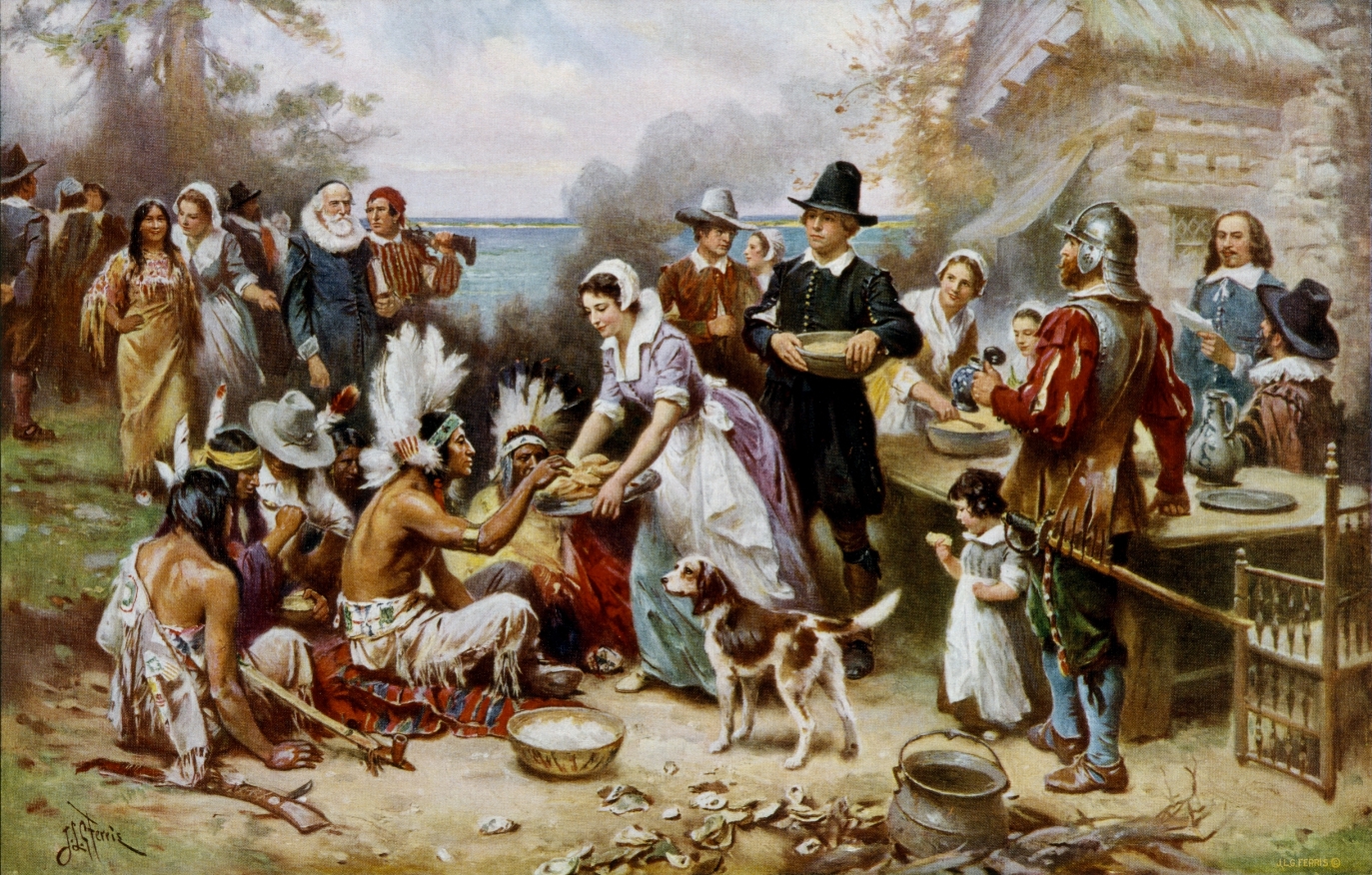
The most widely known story centers on English Pilgrims who arrived in North America in the early 1600s. After a devastating winter, Indigenous communities shared agricultural knowledge that led to a successful 1621 harvest—resulting in a communal meal now called "the First Thanksgiving."
A Nuanced Historical Perspective
Modern historians emphasize that early settler-Indigenous relations were far more complex than the traditional narrative suggests. While moments of cooperation existed, long-term conflict, disease, land dispossession, and cultural disruption shaped Indigenous experiences. This complexity is critical to understanding Thanksgiving's modern meaning.
2. Thanksgiving in the United States Today
Thanksgiving became a national US holiday in 1863, when President Abraham Lincoln designated the fourth Thursday of November as a day of thanks. Today, it remains a cornerstone of American culture.
Key US Thanksgiving Traditions
Family feasts featuring turkey, stuffing, cranberry sauce, and seasonal pies
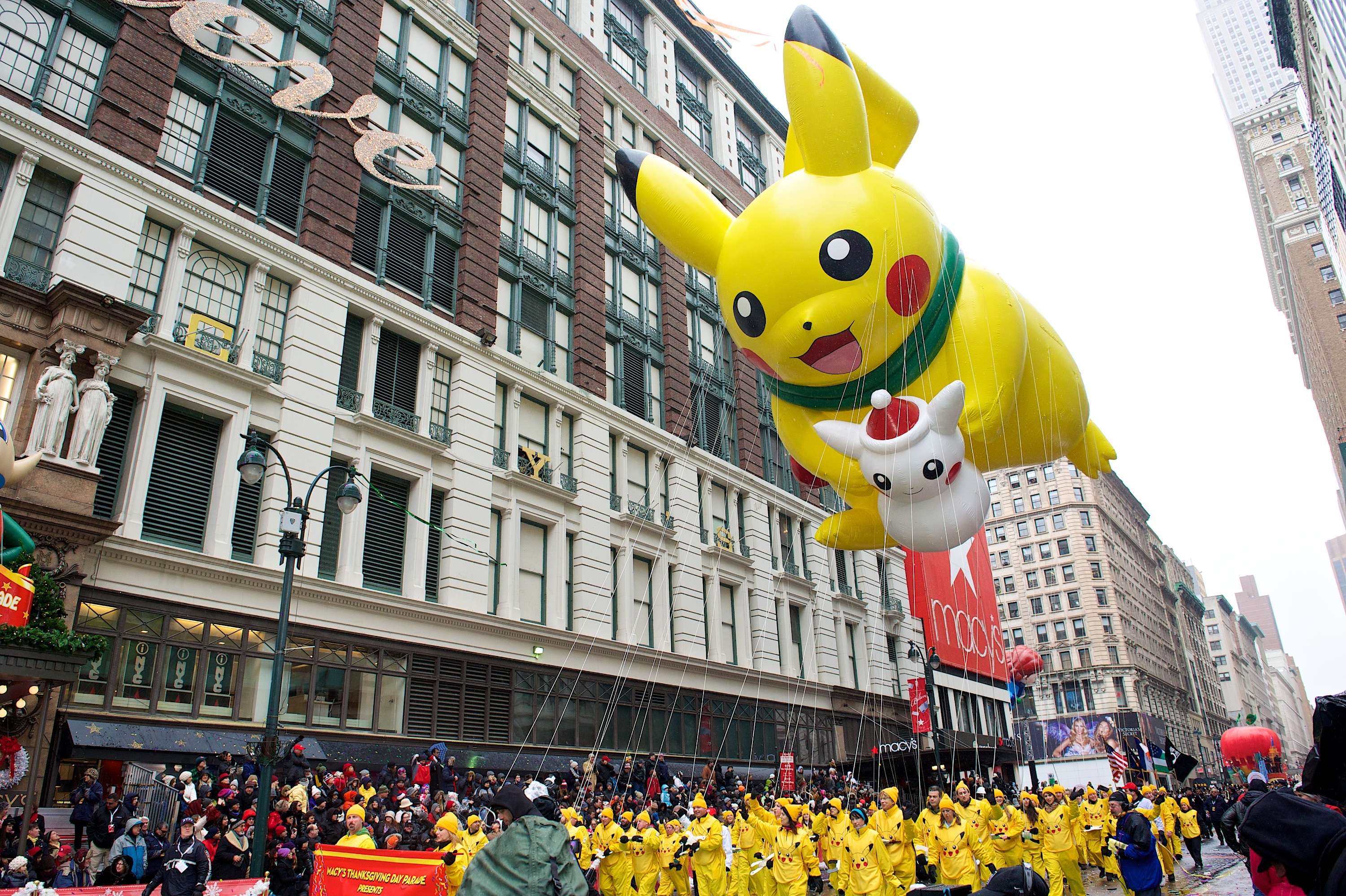
Parades, most notably New York City's Macy's Thanksgiving Day Parade
American football games, a staple of holiday entertainment
Community service and food drives to support those in need
These traditions prioritize gratitude and connection over historical reenactment, reflecting the holiday's modern evolution.
3. Thanksgiving in Canada

Canadian Thanksgiving is celebrated on the second Monday of October—weeks earlier than the US holiday—with roots in European harvest festivals and gratitude for a successful growing season.
Canadian Thanksgiving Traditions
Intimate family meals with seasonal Canadian ingredients
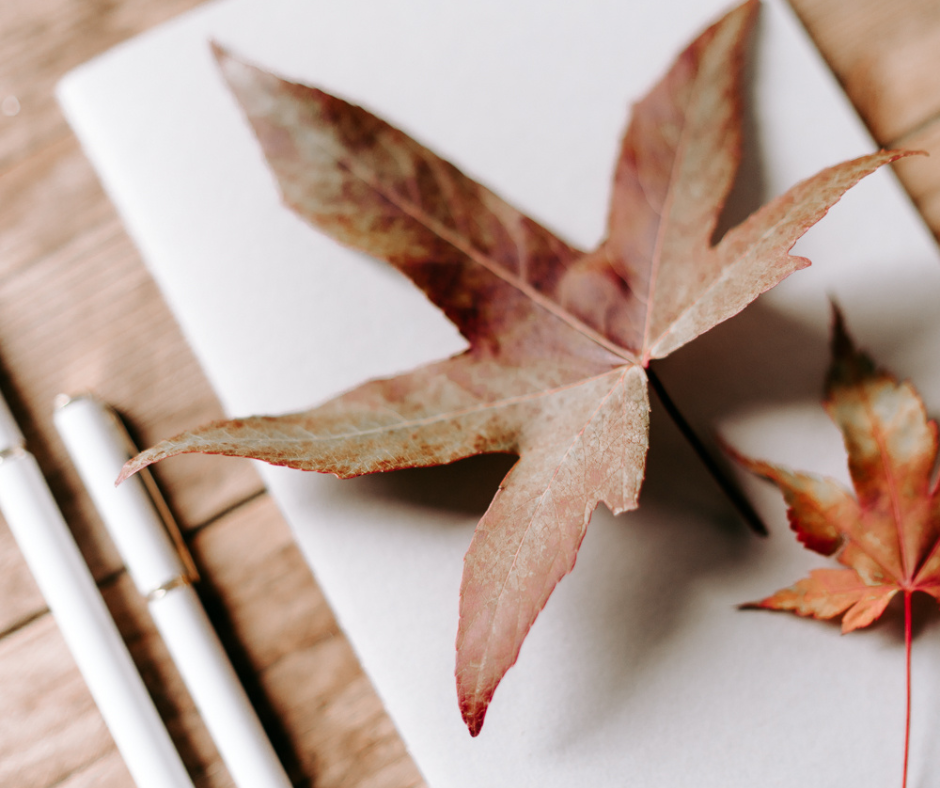
Appreciation of autumn's beauty and harvest bounty
Outdoor activities like hiking, apple picking, and leaf peeping
Unlike its US counterpart, Canadian Thanksgiving is a quieter, less commercial holiday focused on nature and family.
4. Indigenous Perspectives on Thanksgiving

In recent decades, Thanksgiving has evolved into a time of reflection as well as gratitude. Many recognize that traditional narratives overlook Indigenous experiences and historical trauma.
Day of Mourning & Reflection
Some Indigenous communities observe the fourth Thursday of November as:
A National Day of Mourning to honor Indigenous ancestors and acknowledge historical injustices
A day of cultural awareness to educate others about Indigenous history and resilience
Inclusive Modern Celebrations
Many families now integrate these perspectives into their Thanksgiving traditions by:
Learning about accurate Indigenous history
Celebrating cultural diversity and equity
Centering gratitude for Indigenous stewardship of the land
5. The Universal Message of Gratitude
Beyond historical complexities, Thanksgiving's enduring power lies in universal values that resonate across cultures:
These values make Thanksgiving meaningful for people of all backgrounds, regardless of cultural or historical ties to the holiday.
Conclusion
Thanksgiving today is a blend of tradition, historical awareness, and inclusive gratitude. Its complex past reminds us to approach the holiday with empathy, while its modern focus on connection and thankfulness unites diverse communities. By honoring multiple perspectives and embracing kindness, we uphold Thanksgiving's true spirit—one of togetherness, reflection, and gratitude for all that we share.