
2025 Guide to the Safest Pet Water Fountain Materials
Date: 2025-12-06 Categories: Trends Hits: 6031
2025 Guide to the Safest Pet Water Fountain Materials: Plastic vs Stainless Steel vs Ceramic

I. Introduction: Why Fountain Material Matters in 2025
Choosing the right material for your pet’s water fountain is no longer a simple aesthetic decision. In 2025, pet owners are more informed—and more concerned—about water hygiene, bacterial buildup, and long-term material safety than ever before. Search trends show rising interest in terms like “safe water fountain materials,” “plastic vs stainless steel cat fountain,” and “is ceramic safe for pets.”
Multiple pet-care experts note that the material of a water fountain directly affects water purity, ease of cleaning, and the likelihood of harmful bacteria forming on the surface. For example, veterinarians at Preventive Vet emphasize that 304/18-8 food-grade stainless steel is one of the safest materials for water bowls and fountains, thanks to its non-porous and hygienic properties
Source: The Best Cat Bowls and Water Fountains — Preventive VetHygiene concerns are also rising due to “biofilm,” a sticky bacterial layer that commonly forms in pet bowls and fountains if the material scratches easily or absorbs residue. As explained by Batco Pet Sitting, biofilm grows significantly faster on porous or scratched plastics, making material choice a critical part of maintaining clean drinking water for pets.
Source: Biofilm: The Danger Lurking in Your Pet's Bowls
Even major pet-care associations highlight the importance of safe materials. The American Kennel Club notes that stainless steel is generally the most durable and sanitary choice, while ceramic can also be safe if high-quality and crack-free, and plastic is the most prone to bacterial buildup.
Source: Could Your Dog Benefit From Using a Pet Water Fountain? — AKCWith pet hydration linked to urinary health, kidney function, and long-term wellness, understanding the pros and cons of each material—plastic, stainless steel, and ceramic—has become essential. This guide breaks down how each material performs in real-world use and helps you make the safest choice for your pet in 2025.
II. The Three Main Water Fountain Materials Explained
1. Plastic (BPA-Free Plastics)
Plastic remains one of the most widely used materials in pet water fountains because of its affordability and design flexibility. Modern BPA-free plastics have improved significantly, offering safer formulations compared to older versions. Many lightweight, compact fountains use plastic because it allows manufacturers to create smooth curves, quiet water channels, and visually appealing designs.
However, plastic also comes with notable drawbacks. It is more prone to developing fine scratches over time, especially when cleaned with abrasive tools or used by pets with enthusiastic drinking habits. These scratches can trap bacteria and cause odors to develop more quickly. Plastic can also discolor or become cloudy with prolonged use, signaling wear and the need for replacement. For households on a budget or those who plan to upgrade later, plastic fountains can still be a functional entry-level choice—but they require more frequent cleaning and careful handling.
2. Stainless Steel
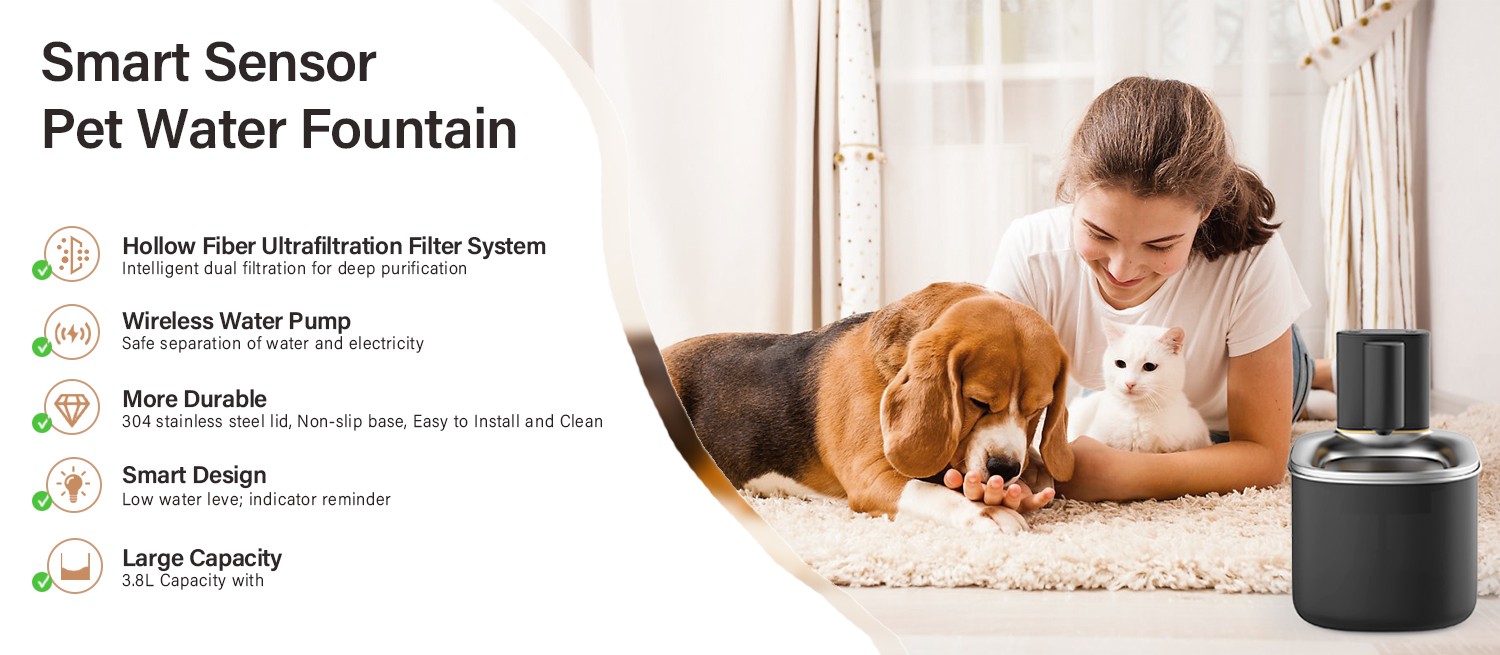
Stainless steel has become increasingly popular in recent years due to its strong balance of hygiene, durability, and long-term safety. It is naturally non-porous, meaning it does not absorb odors or flavors, and it resists scratches better than plastic. These qualities make stainless steel one of the easiest materials to keep clean, even with daily use.
Another advantage is temperature stability: stainless steel can help keep the water cooler for longer periods, which many pets prefer. It is also highly resistant to wear, making it ideal for multi-pet homes or energetic pets that may nudge, paw, or move the fountain frequently. While stainless steel fountains often cost more upfront, they perform exceptionally well over time and align with the growing trend toward premium, health-focused pet products in 2025.
3. Ceramic
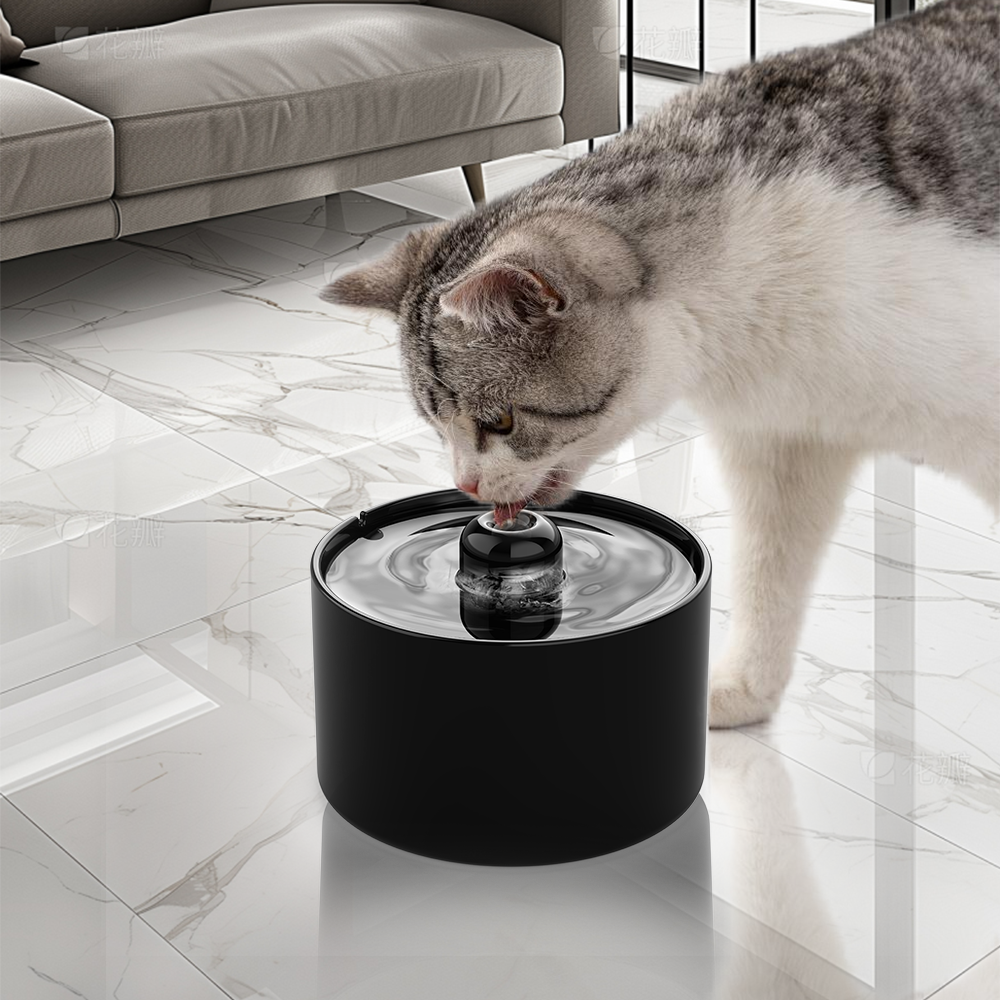
Ceramic water fountains offer a combination of weight, stability, and visual appeal. High-quality ceramic is fired at high temperatures, creating a smooth, glossy surface that does not easily absorb odors and is relatively resistant to bacteria. Many pet owners choose ceramic fountains for their aesthetic value—these models often blend seamlessly into home decor and feel more like household accessories than pet appliances.
Despite these advantages, ceramic does have limitations. It is the heaviest of the three materials and can break or chip if dropped or knocked over. Any small crack can compromise hygiene, as bacteria may enter even microscopic crevices. Ceramic fountains typically work best in stable environments where pets are gentle and the fountain is unlikely to be bumped or tipped over. When maintained properly, ceramic provides a clean, elegant, and safe drinking option.
III. Safety Comparison: Which Material Is Actually Safest in 2025?
Choosing the safest material for a pet water fountain depends on several factors: hygiene, durability, maintenance, and overall pet health. The table below provides a straightforward comparison of plastic, stainless steel, and ceramic based on key criteria relevant in 2025:
| Criteria | Plastic (BPA-Free) | Stainless Steel | Ceramic |
|---|---|---|---|
| Antibacterial Performance | Medium | High | High |
| Scratch Resistance / Bacteria Trapping | Low (scratches easily) | High (resistant) | Medium-High (resistant if intact) |
| Ease of Cleaning | Medium | High | High |
| Odor Retention | Medium-High | Low | Low |
| Durability / Longevity | Medium | High | Medium |
| Health Safety (Long-Term Use) | Medium | High | Medium-High (depends on firing quality) |
| Weight / Stability | Light | Medium | Heavy |
| Breakage Risk | Low | Very Low | High (can chip or crack) |
Key Takeaways:
Stainless steel emerges as the safest and most versatile choice, balancing hygiene, durability, and ease of cleaning.
Ceramic is also safe but carries a higher breakage risk and heavier weight, which may not suit all pets or households.
Plastic remains functional for budget-conscious users or temporary solutions but requires frequent cleaning and careful monitoring for wear or odors.
In 2025, as pet owners increasingly prioritize health, cleanliness, and durability, stainless steel continues to dominate as the preferred material in modern water fountains. Choosing the right material not only ensures your pet’s hydration is safe but also reduces the maintenance burden for busy households.
IV. What Veterinarians Say About 2025 Pet Fountain Materials
Veterinarians play a key role in guiding pet owners toward safe and hygienic hydration solutions. According to general veterinary advice, the material of a water fountain can directly affect a pet’s urinary and overall health, as well as the likelihood of bacterial contamination.
1. Stainless Steel: The Veterinarian Favorite
Most vets agree that stainless steel fountains are the safest option for both cats and dogs. Their non-porous surface resists bacteria growth, and they are less likely to retain odors or flavor from stagnant water. Stainless steel is also durable enough to withstand repeated cleaning and everyday use, which reduces the risk of contamination over time.
2. Ceramic: Safe but Fragile
Ceramic fountains are generally safe for pets if they are high-quality and free of cracks. Vets note that the smooth, glazed surface can prevent bacteria from settling. However, ceramic is prone to chipping or breaking, which can create hidden crevices where bacteria may accumulate. Veterinary guidance emphasizes careful monitoring and regular inspection for any damage.
3. Plastic: Use with Caution
Plastic fountains, even BPA-free varieties, are more likely to develop scratches over time. Vets caution that these scratches can harbor bacteria, potentially leading to minor infections or digestive issues. Frequent cleaning and proper maintenance are essential when using plastic fountains. They are best suited for short-term use or households willing to invest effort in hygiene.
4. Multi-Pet Households
In homes with multiple pets, veterinarians often recommend stainless steel over other materials due to its resilience and lower risk of bacterial accumulation. Heavier materials like ceramic can work if the pets are calm, but plastic may be the least suitable for high-traffic environments.
Overall, veterinary consensus highlights that material choice, regular cleaning, and proper maintenance together determine a fountain’s safety. Selecting the right material is not just about durability or aesthetics—it is a crucial factor in supporting your pet’s long-term health.
V. Common Problems & Risks of Each Material
Even the safest water fountain materials have potential drawbacks. Understanding these risks helps pet owners make informed choices and maintain optimal hygiene for their pets.
1. Plastic (BPA-Free Plastics)
Scratches and Bacterial Growth: Plastic is prone to fine scratches over time. These tiny grooves can trap bacteria, leading to odors and potential health risks.
Odor Retention: Plastic can absorb flavors and smells from stagnant water, requiring more frequent cleaning.
Durability Issues: Lightweight plastic fountains may warp, discolor, or crack with prolonged use or exposure to sunlight.
Maintenance Demand: Frequent disassembly and cleaning are essential to prevent bacterial buildup.
2. Stainless Steel
Surface Marks: While highly resistant to scratches, stainless steel can develop minor scuffs or water spots. These are mostly cosmetic but require occasional cleaning to maintain appearance.
Material Quality Variations: Lower-grade steel may rust over time, so confirming 304 or 316 food-grade stainless steel is recommended.
Temperature Sensitivity: Metal can feel cooler to touch, which may be undesirable for some pets in very cold climates.
Noise Potential: Stainless steel fountains with metal bowls may create slight tapping sounds if pets drink energetically, though this is minor compared to hygiene benefits.
3. Ceramic
Breakage Risk: Ceramic is heavier and fragile; dropping or bumping the fountain can cause cracks or chips, which compromise hygiene.
Hidden Bacteria in Cracks: Any fissures, even tiny ones, can harbor bacteria that are difficult to clean.
Weight & Handling: Ceramic fountains are heavier to move or refill, which may be inconvenient in multi-pet households.
Limited Designs: While aesthetically pleasing, ceramic fountains may have fewer functional designs compared to plastic or stainless steel, such as integrated filtration or UV features.
Key Takeaway:
Each material has strengths and weaknesses. Plastic requires vigilance and frequent cleaning, stainless steel offers the best balance of hygiene and durability, and ceramic provides elegance but needs careful handling. Understanding these potential problems ensures that your choice supports both pet safety and long-term convenience.
VI. 2025 Industry Trends: Why Stainless Steel Is Rising
In 2025, the pet water fountain industry is increasingly leaning toward stainless steel as the preferred material for modern designs. This shift reflects both consumer preferences and advancements in hygiene-focused product design.
1. Growing Demand for Hygiene and Durability
Pet owners are more aware than ever of the risks associated with bacteria and biofilm in drinking water. Stainless steel’s non-porous surface, resistance to scratches, and low odor retention make it the material of choice for households prioritizing hygiene. Its durability ensures long-term use, reducing the need for frequent replacements.
2. Compatibility with Advanced Filtration Technology
Many modern fountains integrate multi-layer or UV filtration systems. Stainless steel can withstand repeated contact with water and cleaning agents without degrading, making it ideal for these higher-tech fountains. Plastic, by contrast, may warp or retain odors over time, while ceramic may crack under stress.
3. Premiumization in Pet Products
Across global markets, consumers are willing to invest in premium pet products that improve health and longevity. Stainless steel fountains, often paired with sleek designs and advanced filtration, align perfectly with this trend. As a result, manufacturers are introducing more stainless steel models to meet rising expectations for both functionality and aesthetics.
4. Multi-Pet Household Considerations
Homes with multiple cats or dogs benefit from stainless steel fountains because they resist scratching and maintain hygiene even with frequent use. Heavier ceramic fountains can work, but their fragility makes stainless steel more practical in dynamic household environments.
5. Market Insights for 2025
Global Trend: International platforms show higher sales of stainless steel fountains compared to plastic alternatives.
Consumer Sentiment: Surveys indicate that pet owners perceive stainless steel as cleaner, safer, and longer-lasting.
Design Flexibility: Modern stainless steel fountains can combine elegance with functionality, including silent pumps, removable bowls, and filter compatibility.
Key Takeaway:
In 2025, stainless steel is not just a safer material—it’s also the preferred choice for manufacturers and pet owners who value hygiene, durability, and modern design. Its growing dominance in the market reflects an overall trend toward premium, health-conscious pet products.
VII. Cleaning & Maintenance: Best Practices for Each Material
Proper cleaning and maintenance are essential to keep your pet’s water fountain safe, hygienic, and long-lasting. Each material requires slightly different care to prevent bacteria buildup, odors, and wear.
1. Plastic Fountains
Daily Maintenance: Empty and rinse the water reservoir with warm water to remove debris.
Weekly Cleaning: Use mild dish soap and a soft brush to scrub all surfaces. Avoid abrasive cleaners or brushes, which can scratch the plastic.
Deep Cleaning: Once a month, soak the plastic components in a 50/50 solution of water and white vinegar to remove odors and mineral buildup.
Replacement Tips: Monitor for scratches, cloudiness, or discoloration. Replace the fountain if scratches or odors persist despite cleaning.
2. Stainless Steel Fountains
Daily Maintenance: Rinse the bowl and reservoir with warm water to remove dirt and hair.
Weekly Cleaning: Use a soft cloth or sponge with mild soap. Stainless steel is resistant to scrubbing, so avoid abrasive pads that can leave marks.
Mineral & Water Spot Removal: If mineral deposits appear, soak in a 50/50 water-vinegar solution for 10–15 minutes, then rinse thoroughly.
Durability Tips: Check for any signs of rust (rare in 304/316 stainless steel). Dry the fountain after cleaning to maintain its finish.
3. Ceramic Fountains
Daily Maintenance: Empty water and rinse the bowl to remove debris.
Weekly Cleaning: Use mild dish soap and a soft sponge. Inspect carefully for cracks or chips.
Crack Prevention: Avoid sudden temperature changes, drops, or bumps. Even small cracks can harbor bacteria.
Deep Cleaning: Similar to stainless steel, a vinegar soak can remove mineral buildup, but always rinse thoroughly.
Replacement Tips: Replace the fountain immediately if cracks or chips appear, even if small.
General Tips for All Materials:
Filter Care: Replace filters as recommended by the manufacturer to maintain water quality.
Pump Maintenance: Clean pumps regularly to prevent clogging and maintain water flow.
Water Quality: Use fresh, filtered water whenever possible to reduce mineral buildup and bacterial growth.
Inspection: Perform a weekly visual check for wear, cracks, or signs of contamination.
Key Takeaway:
Consistent cleaning and maintenance are as important as the material itself. Stainless steel offers the simplest upkeep, ceramic requires careful handling, and plastic demands the most vigilance to ensure safety and hygiene.
VIII. How to Choose the Right Material for Your Home
Selecting the right water fountain material depends on your pet’s habits, household environment, and your priorities for hygiene, durability, and maintenance. Here’s a practical guide to help you make the best choice.
1. Consider Your Pet Type and Number
Single Pet: Plastic or ceramic can be sufficient if you maintain a strict cleaning routine.
Multiple Pets: Stainless steel is ideal, as it withstands frequent use, reduces bacterial buildup, and remains durable under heavy traffic.
2. Assess Your Household Environment
Active or Playful Pets: Stainless steel is sturdy enough to resist bumps or pawing. Ceramic may break, and plastic may scratch or warp.
Quiet, Calm Homes: Ceramic fountains can be a stylish option that blends with your décor. Plastic is also viable if handled carefully.
3. Evaluate Your Cleaning Commitment
High Maintenance Willingness: If you enjoy weekly cleaning and regular disinfection, plastic or ceramic can work.
Low Maintenance Preference: Stainless steel offers the easiest upkeep with minimal risk of odor, scratches, or bacteria buildup.
4. Consider Aesthetic & Budget Factors
Design-Focused Homes: Ceramic fountains offer elegance and decorative appeal.
Budget-Conscious Choices: Plastic fountains are the most affordable upfront, though they may need replacement sooner. Stainless steel sits in the mid-to-premium range but provides long-term value.
5. Other Practical Tips
Ensure the fountain size suits your pet(s). Larger pets may prefer heavier stainless steel or ceramic bowls for stability.
Check compatibility with your filtration system. Stainless steel typically integrates well with advanced filters.
Inspect fountains regularly for scratches, cracks, or discoloration—regardless of material.
Key Takeaway:
There is no one-size-fits-all solution. Your choice should balance hygiene, durability, pet behavior, and household convenience. In general, stainless steel is the safest and most versatile option, ceramic offers beauty with some fragility, and plastic provides affordability with more maintenance effort.
IX. Final Verdict: Which Water Fountain Material Is Best in 2025?
After examining the three main materials—plastic, stainless steel, and ceramic—it’s clear that each has its strengths and limitations. Choosing the right one depends on your priorities for hygiene, durability, maintenance, and aesthetics.
Stainless Steel: The Overall Winner
Stainless steel consistently ranks highest across all key factors:
Non-porous surface resists bacteria and odors
Highly durable and resistant to scratches
Easy to clean and maintain
Compatible with advanced filtration systems and multi-pet households
For pet owners seeking the safest, most practical, and long-term solution, stainless steel is the top choice in 2025.
Ceramic: Stylish and Hygienic if Handled Carefully
Smooth, glazed surface prevents bacteria accumulation
Heavy and stable, suitable for calm pets
Aesthetic appeal fits home décor
Fragile and prone to cracking, requiring careful handling and regular inspection
Ceramic fountains work best for owners who value beauty and elegance and are committed to careful maintenance.
Plastic: Affordable but Requires Vigilance
Lightweight, budget-friendly, and versatile in design
Prone to scratches and odor retention
Needs frequent cleaning and monitoring for wear
Suitable as an entry-level option or for households willing to maintain hygiene diligently
Plastic fountains can still be functional, but hygiene vigilance is critical to ensure safety.
Final Takeaway
In 2025, stainless steel stands out as the most balanced choice, offering superior hygiene, durability, and ease of maintenance. Ceramic provides elegance with some fragility, and plastic remains a budget-friendly but higher-maintenance alternative. Regardless of the material, consistent cleaning, proper handling, and regular inspection are essential to keep your pet’s drinking water safe and fresh.