
New Year, New Clean Start: Why It’s Time to Clean Your Automatic Litter Box for 2026
Date: 2025-12-29 Categories: Trends Hits: 632
New Year, New Clean Start: Why It’s Time to Clean Your Automatic Litter Box for 2026
1. Introduction: Start the New Year Fresh for Your Cat
The New Year is the perfect time for fresh starts, not only for ourselves but also for our beloved pets. As we set new goals and resolutions, it’s a great opportunity to make sure our pets are living in the healthiest, happiest environment possible. For cat owners, this means taking a closer look at one of the most important aspects of your cat’s daily routine—their litter box.
Automatic litter boxes have become a popular solution for busy cat owners, offering convenience and helping to reduce the daily chores of scooping. However, even the best automatic litter boxes require regular cleaning to ensure they remain effective. A clean litter box helps maintain a hygienic environment for your cat, promotes their well-being, and prevents unpleasant odors from taking over your home.
As we move into 2026, cleaning your automatic litter box is a simple yet important task that can set the tone for a healthy and happy year for both you and your cat. In this article, we’ll explore why cleaning your litter box is essential for your cat’s health, comfort, and behavior, and provide you with practical tips to make this routine as easy and efficient as possible. Let’s start the New Year off with a clean slate—for both you and your furry friend!
2. Signs It’s Time to Clean Your Litter Box and Why It’s Crucial for a Healthy Start to 2026
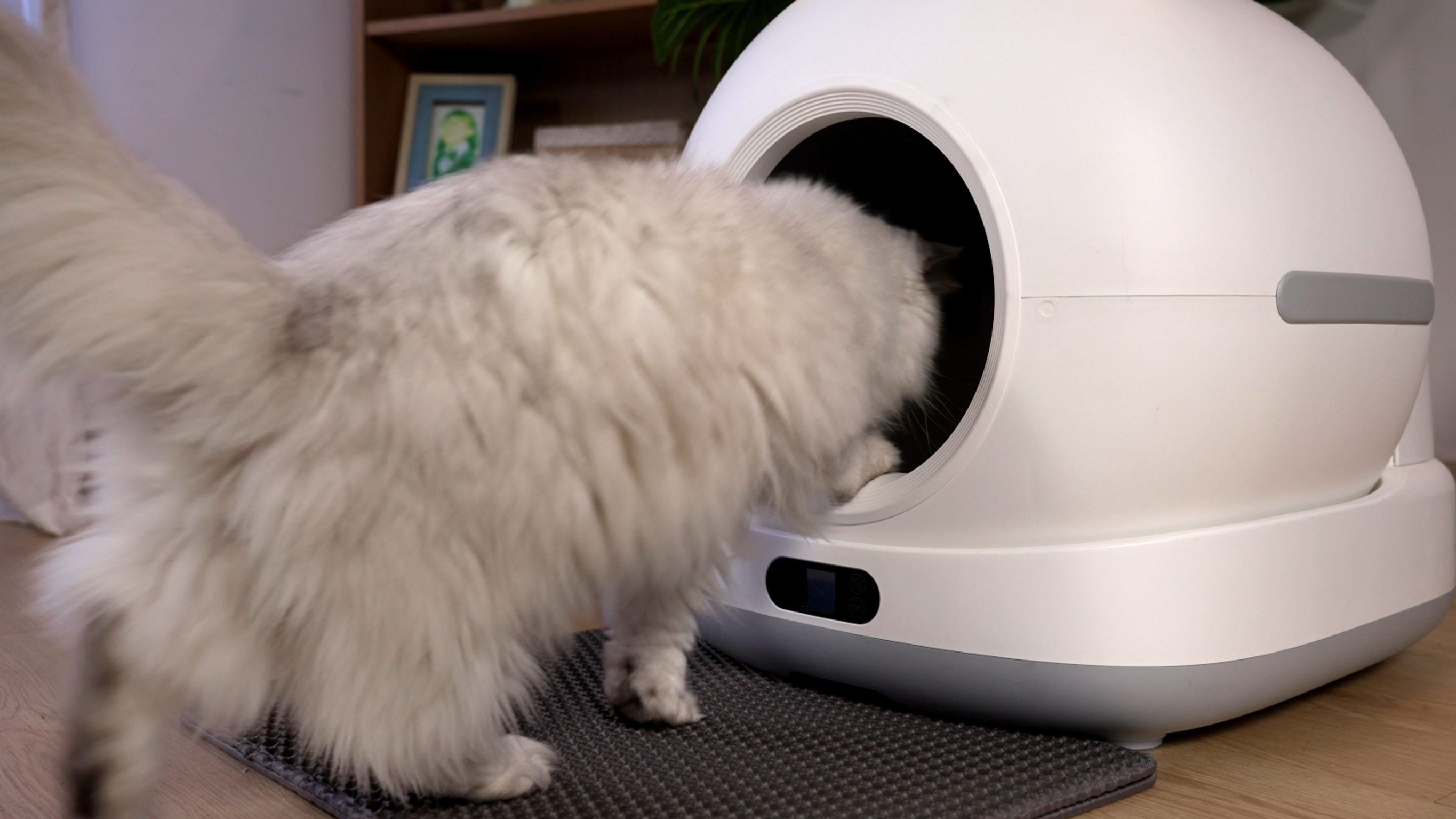
As we kick off the New Year, it's the perfect time to reassess and give your cat’s automatic litter box the attention it deserves. Regular maintenance is essential to keep your cat's environment healthy and comfortable. But how do you know when it's time for a cleaning? Below are the key signs that indicate your litter box is due for a thorough cleaning—and why it’s so important for your cat’s health and well-being.
2.1 Unpleasant Odors
Even with automatic cleaning systems, waste and moisture can build up over time, leading to unpleasant odors. While most automatic litter boxes are designed to minimize smells, if the litter box hasn't been cleaned in a while, odors can still linger and spread. A smelly litter box not only makes your home less pleasant but can also negatively affect your cat's experience. Cats are very sensitive to smells, and a foul-smelling litter box can make them avoid it altogether.
A regular cleaning routine eliminates this problem, ensuring a fresh, odor-free environment for both you and your cat, especially important as you start the New Year.
2.2 Your Cat Is Avoiding the Box
Cats are naturally clean animals and are likely to avoid using a dirty litter box. If your cat starts going outside the litter box or shows signs of distress when trying to use it, this could be a sign that the box is overdue for a cleaning. A dirty or smelly box can cause stress and discomfort for your cat, leading to undesirable behavior and accidents in the house.
By keeping the litter box clean, you ensure your cat has a safe and hygienic place to do their business, which in turn helps prevent behavioral issues.
2.3 Mechanical Malfunctions or Inefficiency
Automatic litter boxes rely on various mechanisms—such as rakes, rollers, or sifting systems—to clean waste. If these parts become clogged with debris or litter, they may not function properly, affecting the efficiency of the cleaning cycle. Over time, dirt and waste buildup can also cause the motor or other moving parts to malfunction.
Regularly cleaning your litter box ensures the mechanical components continue to operate smoothly, extending the life of your equipment and preventing costly repairs or replacements.
2.4 Visible Dirt or Debris
While the automatic cleaning mechanism does most of the work, some waste and litter can still get trapped in corners or other hard-to-reach areas. If you notice visible dirt, litter clumps, or debris in the box, it’s time for a deep clean. These spots can accumulate over time and affect both the cleanliness of the box and your cat's overall comfort.
A quick clean-up of these areas ensures your cat’s litter box remains as hygienic as possible, reducing the chance of infections or other health issues caused by dirty surfaces.
2.5 Health Risks from Bacteria and Germs
When waste is left to accumulate, bacteria and germs can multiply, creating an unsanitary environment. Cats can pick up infections or irritations from bacteria present in their litter boxes, such as urinary tract infections (UTIs) or skin issues. Additionally, waste that is not properly cleaned can lead to respiratory issues from dust and particles.
By regularly cleaning the litter box, you reduce these health risks, ensuring your cat stays healthy and comfortable throughout the year. Starting 2026 with a clean litter box is an easy way to prioritize your cat's health and well-being.
2.6 Fresh Start for Your Cat’s Comfort and Behavior
A clean litter box is crucial for maintaining your cat’s comfort and normal behavior. Cats are creatures of habit, and they expect a tidy, fresh place to relieve themselves. If the box is dirty, it can lead to anxiety or frustration, which might affect your cat's behavior in other areas of their life.
Cleaning the litter box ensures that your cat has a stress-free, comfortable space to use, which helps maintain positive behavior, reduces accidents, and promotes overall well-being.
3. Step-by-Step Guide: How to Clean Your Automatic Litter Box for 2026
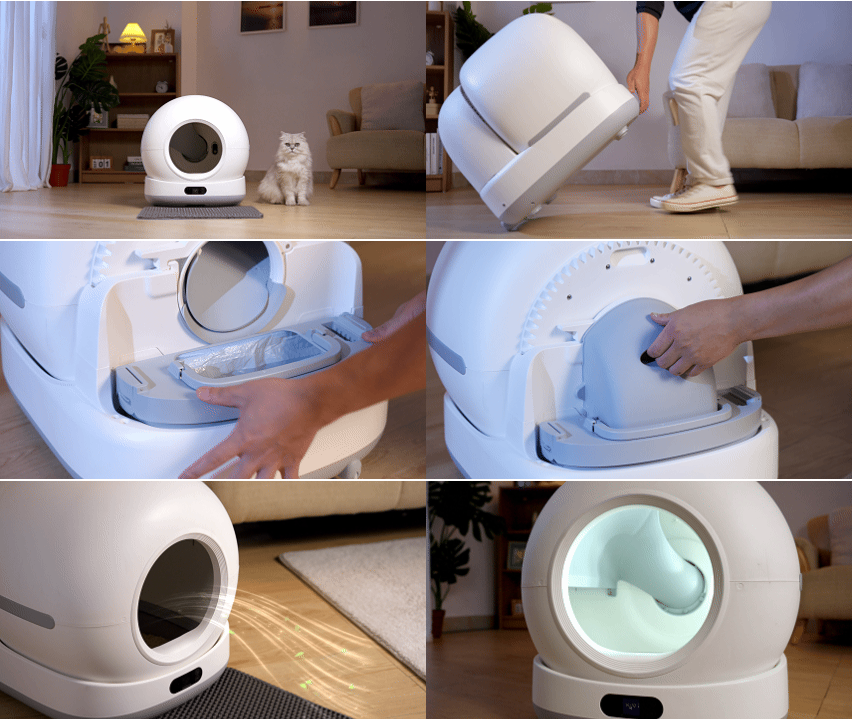
Starting the New Year with a clean litter box is a simple yet essential task to ensure your cat has a healthy and comfortable environment. While automatic litter boxes help minimize cleaning, they still require regular maintenance to function effectively. Here’s a step-by-step guide to properly clean your automatic litter box and keep it in top shape for 2026:
3.1 Preparing for Cleaning
Before you begin, gather the necessary supplies to make the cleaning process smooth and efficient:
Disposable Gloves: To keep your hands clean and avoid coming into direct contact with waste.
Non-toxic Cleaning Solutions: Use pet-safe disinfectants or natural cleaning solutions (like vinegar and water) to sanitize the box without harmful chemicals.
Soft Cloths or Sponges: For wiping down surfaces.
A Plastic Bag or Waste Disposal Container: To dispose of used litter and waste.
A Small Brush or Toothbrush: To clean hard-to-reach areas or mechanical parts.
Replacement Litter: Fresh, high-quality cat litter to refill the box once it's cleaned.
3.2 Empty the Litter Box
Turn Off the Automatic Features: If your litter box has an automatic cleaning cycle, turn it off to prevent it from running while you clean.
Dispose of Used Litter: Carefully remove all the used litter from the tray, making sure to dispose of it in a waste bag or container.
Check the Waste Tray: If your litter box has a waste compartment, empty it out as well.
3.3 Clean the Litter Box Interior
Wipe Down the Tray: Use a damp cloth or sponge to wipe down the interior of the litter box. Focus on removing any waste that may have stuck to the surfaces.
Use a Non-Toxic Cleaner: For areas with tough residue or odors, use a pet-safe disinfectant or a mixture of vinegar and water to thoroughly clean the tray. Avoid harsh chemicals that could harm your cat.
Scrub the Rake or Sifting System: If your automatic litter box uses a rake, sifting system, or other cleaning mechanisms, gently scrub them with a small brush or toothbrush to remove any buildup of litter or waste. Make sure to clean any nooks and crannies where waste may get trapped.
Rinse and Dry: After scrubbing, rinse all parts with water to remove cleaning solution residue. Dry them thoroughly with a clean towel before reassembling.
3.4 Clean the External Parts and Sensors
Wipe Down the Exterior: Don’t forget to clean the external parts of the litter box. Wipe down the sides and lid with a damp cloth.
Clean the Sensors: If your automatic litter box has sensors to detect waste or monitor litter levels, gently wipe them with a soft cloth to ensure they remain dust-free and functional.
3.5 Check for Mechanical Issues
Inspect Moving Parts: Check the rake, motor, and any other moving components for any signs of wear, damage, or clogs. Make sure everything is working smoothly and that no waste is interfering with the mechanical parts.
Test the Cleaning Cycle: Once the litter box is reassembled, test the automatic cleaning cycle to ensure it’s functioning properly.
3.6 Refill with Fresh Litter
Choose the Right Litter: Select a high-quality litter that suits your cat’s needs (e.g., clumping, odor-absorbing, hypoallergenic). Refill the box with a generous amount of fresh litter, following the manufacturer’s recommendations for the optimal litter depth.
Level the Litter: Smooth out the litter to ensure an even surface, making it comfortable for your cat to use.
3.7 Set Up a Cleaning Schedule
Daily Maintenance: Scoop waste daily to prevent odors and ensure your cat has a clean place to use. Automatic litter boxes often have a mechanism for daily cleaning, but regular scooping helps maintain hygiene.
Weekly Deep Clean: Aim for a deeper clean once a week, where you remove the old litter, clean all parts thoroughly, and replace it with fresh litter.
Monthly Checks: Every month, check for any mechanical issues and ensure everything is functioning properly.
4. Benefits of Regular Litter Box Maintenance
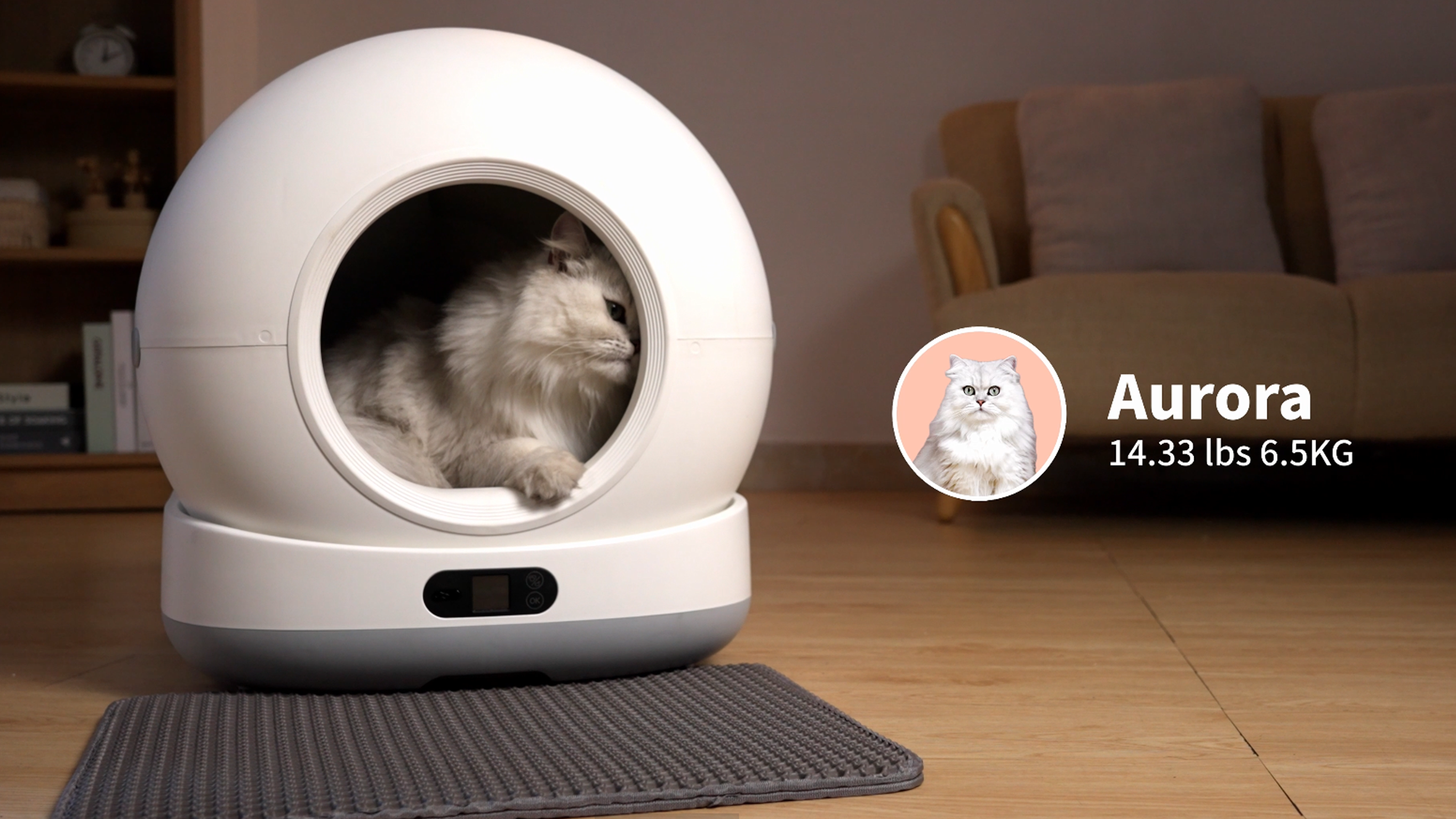
Cleaning your automatic litter box is more than just a chore—it’s an essential part of ensuring your cat’s health and happiness throughout the year. Regular maintenance not only keeps the box functioning well but also brings numerous benefits that contribute to your cat’s well-being and the overall cleanliness of your home. Here’s why maintaining your litter box is so important:
4.1 Enhanced Cat Health
Prevents Health Issues: Regular cleaning prevents waste buildup, which can harbor bacteria and germs that may lead to infections. For instance, dirty litter can increase the likelihood of urinary tract infections (UTIs) and other health concerns in cats. By keeping your litter box clean, you reduce the risk of your cat developing these problems.
Reduces Allergens: Accumulated dust and waste can create an environment that triggers allergies or respiratory problems in both you and your cat. Keeping the litter box clean helps eliminate dust and other allergens that can cause discomfort for sensitive pets.
Promotes Good Hygiene: A clean litter box ensures that your cat doesn’t have to deal with uncomfortable, unsanitary conditions. Cats are naturally clean creatures, and a dirty litter box can stress them out, affecting their overall health and behavior.
4.2 Improved Behavior and Comfort
Encourages Proper Use of the Litter Box: Cats are creatures of habit, and they prefer to use a clean litter box. When the box is regularly maintained, your cat is more likely to continue using it and avoid accidents around the house. A dirty box, on the other hand, may cause your cat to avoid it, leading to stress and inappropriate elimination.
Reduces Stress and Anxiety: A clean and odor-free litter box creates a comfortable environment for your cat, reducing the stress and anxiety that may arise from a dirty, smelly space. Stress is a common cause of behavioral changes in cats, including litter box aversion, so regular cleaning is essential for maintaining your cat’s emotional well-being.
4.3 Better Air Quality
Eliminates Odors: One of the biggest advantages of regular cleaning is that it prevents unpleasant odors from building up in your home. Automatic litter boxes are designed to minimize odors, but without regular cleaning, even the best systems can start to smell. By keeping the box clean, you ensure that your home remains fresh and odor-free.
Improves Indoor Air Quality: As waste accumulates in the box, it releases ammonia and other harmful compounds into the air, which can negatively impact the indoor air quality. Regular cleaning eliminates these harmful substances, creating a healthier environment for both you and your cat.
4.4 Increased Lifespan of Your Automatic Litter Box
Prevents Mechanical Issues: Waste and debris can cause the moving parts in an automatic litter box to clog or malfunction. Regular cleaning helps to maintain the box’s functionality and ensures that it continues to work efficiently. Keeping the box free of debris prevents mechanical breakdowns and extends the life of the device, saving you money in the long run.
Reduces Wear and Tear: Litter boxes that are not cleaned regularly are more likely to show signs of wear and tear. Cleaning the box on a regular basis helps preserve the internal components, ensuring it continues to perform at its best for years.
4.5 A Cleaner, More Comfortable Home
Less Mess Around the House: When the litter box is kept clean, your cat is more likely to use it consistently, preventing accidents around the house. This means less mess to clean up in other areas of your home.
Improves the Overall Environment: A clean, well-maintained litter box contributes to a more pleasant environment in your home, especially during the colder months when windows are often closed. It helps keep your home fresh and comfortable, both for you and your cat.
5. Top Tips for Maintaining a Clean Litter Box All Year Long

Now that you understand the importance of keeping your automatic litter box clean, it's time to implement a regular maintenance routine that will keep your cat's environment healthy and fresh throughout the year. Here are some top tips for maintaining a clean and functional litter box with minimal effort:
5.1 Daily Maintenance Tips
Scoop Waste Daily: Even if you have an automatic litter box, it’s important to scoop out any waste your cat produces each day. Regularly removing waste prevents odors from building up and helps maintain a fresh environment. If your box doesn’t automatically scoop waste, do it manually to keep things clean and efficient.
Check the Litter Level: Make sure the litter is deep enough for your cat to use comfortably. If it’s too low, your cat might refuse to use the box. Refill it with fresh litter as needed, especially after daily scooping, to maintain an optimal level.
Clean the Box After Each Use: If your cat has made a particularly messy deposit, it’s a good idea to wipe down the area immediately to prevent waste from sticking and causing odors.
5.2 Weekly Deep Cleaning
Remove All Litter: Once a week, take the time to empty the litter box completely. Remove all litter and dispose of it properly.
Scrub the Interior: Use a pet-safe disinfectant or a vinegar-water solution to scrub the interior of the litter box. Pay attention to areas where waste and litter might have built up. Scrub the walls, corners, and under the cleaning mechanisms.
Clean the Mechanical Parts: If your litter box has moving parts (such as a rake, sifting system, or rollers), give them a thorough cleaning to prevent clogs. Use a small brush or toothbrush to clean these parts and remove any debris or litter buildup.
Sanitize the Sensors: Wipe down any sensors or electrical components with a soft, damp cloth to keep them dust-free and functional. This will ensure your litter box continues to work effectively.
Rinse and Dry: After cleaning, rinse out the box thoroughly with water to remove any cleaning solution residue. Dry it completely with a clean towel before refilling it with fresh litter.
5.3 Use High-Quality Cat Litter
Choose Clumping, Odor-Control Litter: Invest in high-quality clumping litter that helps absorb moisture and control odors. This will make it easier to maintain the box and reduce the need for frequent deep cleaning.
Consider Hypoallergenic Options: If your cat has sensitive skin or allergies, consider hypoallergenic litter to minimize irritation. There are many dust-free and non-toxic litter options available that are gentle on your cat’s paws and respiratory system.
Avoid Scented Litter: While scented litter may seem appealing, it can sometimes irritate your cat’s nose and skin. Opt for unscented, natural litter that provides good odor control without overwhelming your cat with artificial fragrances.
5.4 Monitor the Box’s Functionality
Inspect the Motor and Moving Parts: If your litter box uses a motorized system, make sure to check the motor, rake, and other moving parts periodically to ensure they are working properly. If you notice any clogs or slowdowns, clean the mechanisms to prevent further issues.
Look for Wear and Tear: Over time, the parts of the automatic litter box may show signs of wear, such as cracks or frayed cords. Regularly inspect your litter box for damage and address any issues promptly to keep it running smoothly.
Check the Power Supply: Ensure that your litter box is plugged in properly and the battery (if applicable) is charged or replaced. A malfunctioning power supply can cause the automatic features to stop working.
5.5 Set a Monthly or Bi-Monthly Deep Clean Schedule
Complete Litter Change: Once a month, do a full litter change. Empty the entire box, wash it thoroughly, and refill with fresh litter. This deep clean helps reset the box and prevents any residual waste from affecting your cat’s health or comfort.
Check for Build-Up Around the Box: Look for litter that may have spilled or built up around the litter box. Clean up any mess to ensure your home stays tidy and that your cat’s litter area remains hygienic.
By following these tips for daily, weekly, and monthly maintenance, you can ensure that your automatic litter box stays in top condition throughout the year. Regular upkeep will help prevent odors, mechanical issues, and health risks for your cat, while also keeping your home clean and comfortable.
Remember, maintaining a clean litter box is an investment in your cat’s health and happiness, as well as in the longevity of your automatic litter box. With these simple habits, you can enjoy a stress-free, clean environment for both you and your cat all year long.
6. Conclusion: Make a Fresh Start for You and Your Cat This Year
As we enter 2026, there’s no better time to prioritize your cat's well-being and create a fresh, healthy environment for them. Starting the year with a clean and well-maintained automatic litter box is a simple yet powerful way to ensure your cat’s health, comfort, and happiness. By following the tips and steps outlined in this guide, you can create a cleaner, odor-free home, reduce stress for your cat, and extend the lifespan of your litter box.
Key Takeaways:
Health and Hygiene: Regular cleaning reduces the risk of infections, allergies, and other health issues for your cat, ensuring they stay happy and healthy.
Behavioral Benefits: A clean litter box encourages proper litter box habits, prevents accidents, and reduces stress for your cat.
Home Cleanliness: Regular maintenance helps maintain a fresh, odor-free environment, improving the air quality and overall comfort in your home.
Long-Term Investment: Keeping your automatic litter box clean and functional extends its lifespan, saving you money on repairs or replacements.
6.1 Make Cleaning a New Year’s Resolution
The New Year is all about setting new goals, and maintaining a clean litter box is an easy yet impactful way to start the year right. Whether you’re starting fresh with a deep clean or committing to a regular maintenance schedule, taking the time to care for your automatic litter box shows your cat how much you value their health and comfort.
6.2 Commit to a Cleaner Future for Your Cat
By establishing a routine now, you’ll set the tone for a cleaner, healthier environment all year long. It’s a small commitment that pays off in big ways—improving your cat’s quality of life, preventing messes and odors in your home, and making sure your automatic litter box remains in peak condition.
Let 2026 be the year of cleanliness, comfort, and care for both you and your furry companion. A little effort now can lead to a much happier, healthier year for both you and your cat!
7. FAQ: Common Questions About Cleaning Your Automatic Litter Box
To make sure you're fully equipped to maintain your automatic litter box, here are some frequently asked questions that can help clear up any doubts and guide you through the cleaning process.
- How often should I clean my automatic litter box?Answer: While daily scooping is essential to keep odors in check and prevent waste buildup, you should deep clean your automatic litter box at least once a week. This includes removing all the litter, scrubbing the box and its components, and ensuring the cleaning mechanisms are free from debris. A full litter change should be done every 4-6 weeks or as needed, depending on your cat’s usage.
- What kind of litter should I use in my automatic litter box?Answer: It’s best to use clumping, low-dust, and odor-absorbing litter in automatic litter boxes to ensure smooth operation and better hygiene. Avoid litters that are too fine or contain large particles, as these can clog the cleaning mechanism. If your cat has sensitivities, opt for hypoallergenic, fragrance-free litter.
- Can I use regular household cleaners to clean my litter box?Answer: It’s important to avoid harsh chemicals or strong fragrances when cleaning your automatic litter box. These can irritate your cat’s respiratory system and skin. Instead, opt for pet-safe disinfectants or a natural cleaning solution, like a mixture of vinegar and water, to sanitize the box. Always rinse thoroughly to remove any residue.
- My cat doesn’t seem to like the cleaned litter box—what should I do?Answer: Cats are creatures of habit, and sometimes a freshly cleaned litter box can be intimidating to them. If this happens, try adding a small amount of used litter to the fresh batch so that your cat feels more familiar with the new setup. Additionally, make sure the litter box is in a quiet, accessible location, and that the box is filled to an appropriate depth.
- How can I extend the life of my automatic litter box?Answer: Regular cleaning and maintenance are key to prolonging the lifespan of your automatic litter box. Make sure to clean both the litter tray and the mechanical parts, such as the rake and sensors, to prevent clogs or malfunctions. Always follow the manufacturer’s maintenance recommendations, and check for signs of wear and tear. Additionally, replacing the filters and motors periodically will help ensure smooth operation.
- Why is my automatic litter box not cleaning properly?Answer: If your automatic litter box isn’t cleaning properly, it could be due to a few reasons: waste or litter buildup may be clogging the system, the cleaning mechanism could be malfunctioning, or the sensors may need cleaning. Check the rake, sifting system, and motor for any blockages, and ensure the sensors are clean and free from dust. If the issue persists, consult the manufacturer’s manual for troubleshooting or consider contacting customer support.
- Is it necessary to clean the mechanical parts of the litter box?Answer: Yes, cleaning the mechanical parts is crucial for the efficient operation of your automatic litter box. Waste and litter can get trapped in the moving parts, leading to clogs or malfunctions. Be sure to clean the rake, motor, and sifting system regularly, using a soft brush or cloth to remove any debris or buildup. This will help maintain the box’s functionality and prevent mechanical failures.
- Can I use scented litter to mask odors?Answer: While scented litter may mask odors temporarily, it can be overwhelming for some cats, especially those with sensitive noses. Instead, focus on using high-quality, unscented litter that controls odors naturally. If you're concerned about odors, make sure to scoop daily, clean the box weekly, and use a litter box deodorizer or air purifier if needed.
- What do I do if my cat starts avoiding the litter box after I’ve cleaned it?Answer: If your cat is avoiding the freshly cleaned litter box, it could be due to several reasons: the litter may be too deep, too shallow, or have an unfamiliar texture. Try adjusting the depth or switching to a different litter type. You can also try adding a bit of the old litter to the fresh batch to help your cat feel more comfortable. Ensure the box is placed in a quiet, private location where your cat feels safe.
- Are there any signs that my automatic litter box needs professional repair?Answer: If your litter box isn’t operating properly after routine cleaning, or if you notice unusual sounds, erratic movement, or a failure to clean the litter, it might be time for professional repair. Look for visible signs of wear and tear or malfunction, such as cracks in the plastic, a motor that isn’t working, or issues with the cleaning cycle. If these issues persist, consult the manufacturer’s warranty or customer support for repair options.