
Can Adult Cats Be Trained?
Date: 2025-07-01 Categories: Trends Hits: 1100
Can Adult Cats Be Trained? Science of Feline Behavior Modification
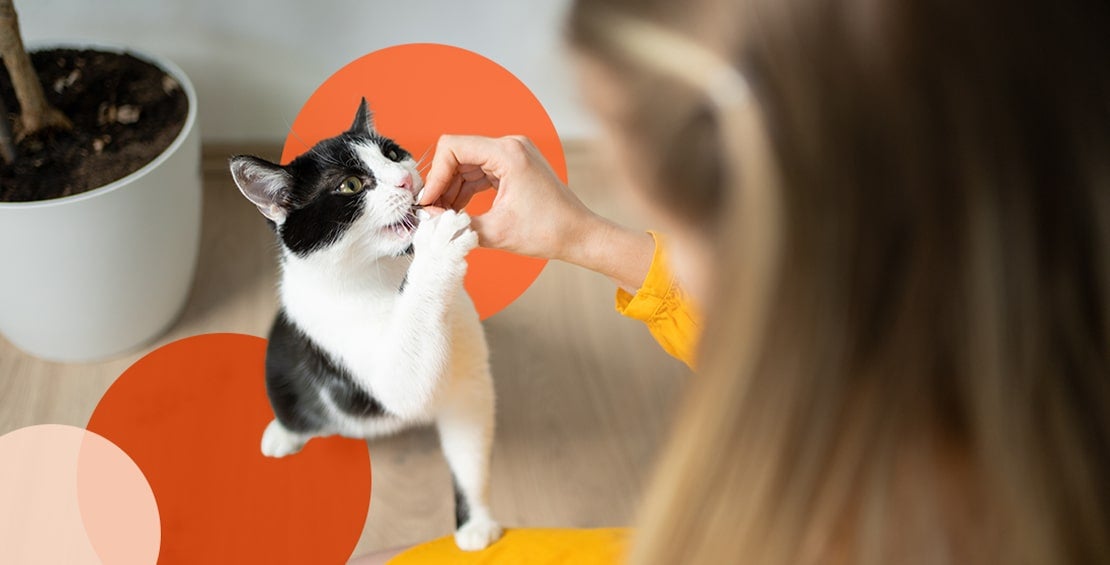
1. Adult Cats Can Still Learn: The Science Behind Neuroplasticity
A common misconception among cat owners is that training only works during kittenhood, typically between 2 to 7 weeks of age. However, modern research reveals that adult cats maintain neuroplasticity—the brain’s ability to form new neural connections throughout life.
This means that even adult cats who missed early socialization can still learn essential behaviors like grooming, using the litter box, or adapting to new routines. The key lies in applying structured, positive reinforcement methods that activate their learning capacity.
Did you know? Socialization teaches passive environmental acceptance, while training builds active behavioral learning.
For further reading: Journal of Feline Medicine and Surgery – Feline Neuroplasticity Study

2. Four Scientific Foundations of Cat Training
a) Behavioral Plasticity
Even though adult cats are less flexible than kittens, they can still learn new habits. For example, aggressive cats can be retrained to play with toys instead of biting hands through redirected play and consistent reinforcement.
b) Classical Conditioning
Based on Pavlov’s experiments, classical conditioning pairs a neutral stimulus with a reward. Example: The sound of a clicker followed by a treat teaches the cat to associate the sound with a positive outcome.
Learn more at ClickerTraining.com
c) Operant Conditioning
From B.F. Skinner’s research—behavior changes through consequences.
Positive reinforcement: Reward desired behavior (like using a scratching post).
Negative punishment: Withdraw attention when unwanted behavior occurs.
This approach encourages voluntary, repeatable actions over time.
d) Progressive Training Strategies
Gradual exposure and desensitization work wonders for shy cats. Start by feeding treats from a distance, then slowly close the gap as trust builds.
Learn about desensitization at ASPCA Behavior Resources

3. Classical vs. Operant Conditioning: Understanding the Difference
| Conditioning Type | Trigger Mechanism | Example Scenario |
|---|---|---|
| Classical Conditioning | Passive association of stimuli | Calling a cat’s name before feeding |
| Operant Conditioning | Active behavior leads to consequence | Rewarding the cat for using the scratching post |
Most effective training combines both methods: Classical conditioning builds associations, while operant conditioning strengthens voluntary behavior through reinforcement.
Explore real-life examples on The Humane Society Training Guide
4. Essential Elements for Successful Cat Training
Positive Reinforcement at the Core
Rewards such as treats, affection, or play are far more effective than punishment.Individualized Approach
Every cat has its own pace—especially anxious or rescued cats.Stable Environment
Consistency reduces stress and helps learning stick.Short, Frequent Sessions
5–10 minutes daily training is better than occasional long sessions.
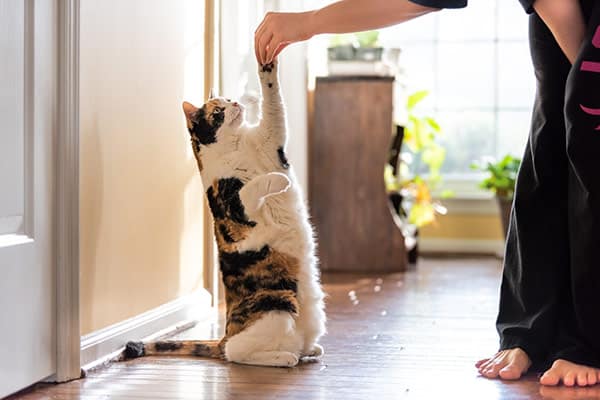
5. Case Studies and Data Insights
A study in Applied Animal Behaviour Science revealed that adult shelter cats trained using positive reinforcement showed:
78% reduction in destructive scratching
65% improvement in grooming and litter box behavior
These results confirm that structured, science-based training can transform even "difficult" adult cats into well-adjusted companions.
6. Conclusion
Training adult cats isn’t just possible—it’s powerful. Through patience, positive reinforcement, and an understanding of conditioning methods, owners can strengthen bonds and improve their cats’ wellbeing. Science shows that age is no barrier to learning for our feline friends.
Explore more expert insights at International Cat Care.
