
100 Winter Care Questions for Cats
Date: 2025-12-02 Categories: FAQ Hits: 1013
100 Winter Care Questions for Cats
A Comprehensive International Guide to Cold-Season Feline Care
Winter brings cozy naps and warm blankets—but also respiratory issues, dehydration, joint stiffness, and reduced activity for cats.
This internationally-optimized 100-question guide answers the most common concerns shared by cat parents across North America, Europe, the Middle East, Latin America, and Asia.
1. Temperature & Warmth (1–20)

1. What is the ideal indoor temperature for cats in winter?
20–24°C (68–75°F) is the most comfortable range.
2. Can low temperatures make a cat sick?
Yes. Sudden drops may trigger colds or worsen chronic conditions.
3. Do cats actually get “cold”?
Absolutely. They curl tightly, seek heat sources, and reduce activity.
4. Are heated cat beds safe?
Yes—if designed for pets with low-temperature modes.
5. Do people in other countries let cats sleep under the blanket?
Yes, common in colder regions—just ensure the cat can move freely.
6. Is it normal for a cat’s ears or paws to feel cold?
Cool is normal; icy means they’re too cold.
7. Do cats need clothes in winter?
Only short-haired, senior, or underweight cats benefit. Long-haired cats usually dislike clothing.
8. Can heating systems (radiators, floor heating) harm cats?
Only prolonged direct contact can cause low-temperature burns.
9. Should windows be opened in winter?
Short ventilation is fine; avoid cold drafts hitting the cat.
10. Do cats choose specific warm resting spots?
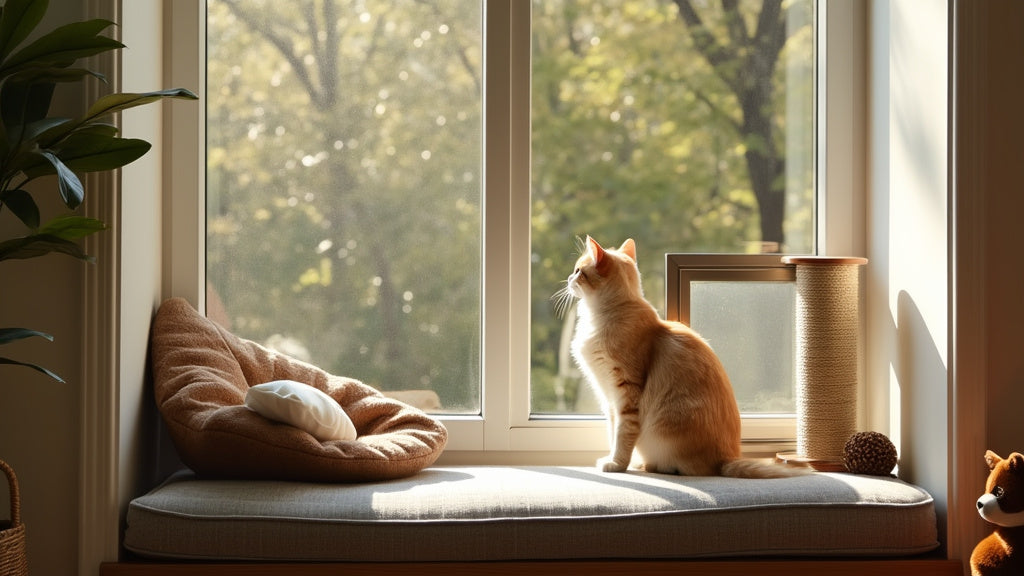
Globally, cats prefer sunny windowsills, heated mats, cardboard boxes, and blankets.
11. Why do cats sit on laptops in winter?
Warmth + attention.
12. Can cats sleep near space heaters?
Yes, but use tip-over protection and keep distance.
13. Are cats more sedentary in winter?
Yes—shorter daylight hours and colder air reduce activity.
14. Is it normal if my cat avoids cold floors?
Yes; offer rugs or mats.
15. Are infrared heating lamps safe for cats?
Only pet-safe versions with controlled temperature.
16. Do cats need thicker bedding in winter?
They benefit from padded, insulated beds.
17. Is sunbathing helpful in winter?
Yes—supports comfort and mild vitamin D production (through grooming oils).
18. Do outdoor cats need shelters?
Globally recommended: insulated, windproof, with dry bedding.
19. Can cold weather worsen arthritis?
Yes—common in seniors worldwide.
20. Should I monitor humidity?
Yes. Overheated, dry rooms increase skin issues and static electricity.
2. Hydration & Nutrition (21–40)
21. Why do cats drink less in winter?
Cold temperature reduces thirst instinct.
22. Is it true some countries warm water for pets in winter?
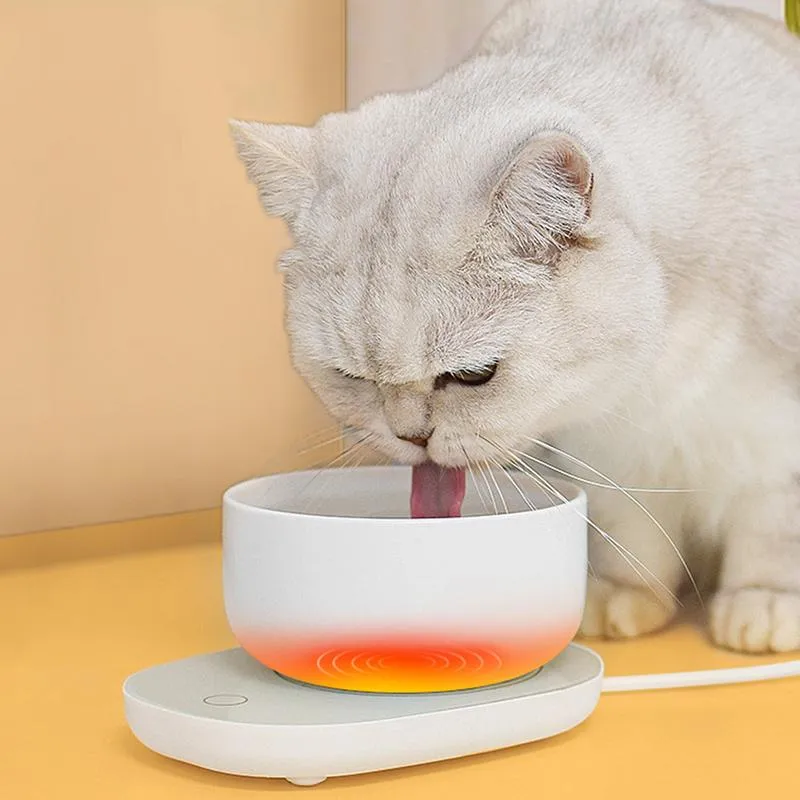
Yes. Heated bowls and heated fountains are popular in the US, Canada, Scandinavia, and Japan.
23. Do people use yogurt makers to warm cat water?
Not common internationally. Heated pet bowls are the standard.
24. Does warm water encourage hydration?
Yes—25–35°C improves drinking frequency.
25. Should I increase wet food in winter?
Recommended to support hydration and reduce urinary risks.
26. Should winter diets be higher in calories?
Only outdoor cats or cats in unheated homes need extra calories.
27. Is feeding “soupy meals” common in Asia and Europe?
Yes—adding warm water to food is widely practiced.
28. Can cold food reduce appetite?
Yes. Slightly warming wet food increases aroma.
29. Does winter increase constipation?
Reduced water intake makes constipation more common.
30. Are omega supplements useful in winter?
Yes—support skin hydration in dry climates.
31. Do heated fountains require more cleaning?
Yes. Warm water speeds mineral buildup.
32. Are stainless-steel bowls better than ceramic in winter?
Stainless steel works better with heated bases.
33. Should cats avoid ice-cold water in winter?
Cold water is safe but discourages drinking.
34. Can dehydration occur even when it's cold?
Yes—cold weather dehydration is common worldwide.
35. Do senior cats eat less in winter?
Sometimes—reduced activity lowers appetite.
36. Is pumpkin puree for constipation globally accepted?
Yes; widely used in North America and Asia.
37. Should I change feeding schedules in winter?
No major changes needed—consistency is key.
38. Can dry air worsen dental issues?
Indirectly, yes—cats may eat less due to dried mucosa.
39. Do holiday foods (global winter season) pose risks?
Yes—avoid turkey skin, gravy, onions, chocolate, and alcohol.
40. Should I avoid feeding very hot food?
Yes—warm is okay, hot is dangerous.
3. Health & Medical Concerns (41–70)

41. Are winter colds common worldwide?
Yes—respiratory infections peak in winter.
42. How can I identify a cold?
Sneezing, congestion, watery eyes, reduced appetite.
43. Is winter a high-risk season for urinary issues?
Yes—low hydration increases UTIs and crystals.
44. Are Himalayan, Persian, and British Shorthair cats more sensitive to cold?
Brachycephalic breeds struggle more with respiratory stress.
45. Does cold weather weaken immunity?
Yes—just like humans.
46. Are skin flakes normal in winter?
Common due to dry indoor air.
47. Why is static electricity worse in winter?
Low humidity + thick winter fur.
48. Can static cause stress?
Yes—sensitive cats become jumpy when shocked.
49. Does winter worsen asthma?
Cold air may trigger symptoms.
50. Can heated air cause nose dryness?
Yes—use humidifiers.
51. Are winter vaccines necessary?
Vaccinations are seasonal-independent but more important before winter boarding.
52. Does winter trigger more hairballs?
Yes—more time grooming indoors.
53. Are joint problems more noticeable in winter?
Definitely—cold stiffens joints.
54. Are older cats more fragile in winter?
Yes—temperature regulation weakens with age.
55. Are eye infections more frequent?
Cold drafts can irritate the eyes.
56. Can cats get frostbite?
Outdoor cats can—ears, paws, and tail are high risk.
57. Can bathing cause winter illness?
Only if the cat isn’t dried thoroughly.
58. Are humidifiers safe for cats?
Yes—avoid essential oils.
59. Do cats lose weight in winter?
Some maintain or lose weight due to less activity.
60. Is winter diarrhea common?
Diet changes and reduced hydration may contribute.
61. Do cold floors affect paw health?
Extremely cold surfaces cause cracking.
62. Are environmental allergies worse in winter?
Indoor allergens may increase.
63. Can heated blankets cause burns?
Human blankets can—use pet-safe ones only.
64. Are thyroid problems affected by cold?
Indirectly—weight changes may be more noticeable.
65. Does cold increase stress?
Cats dislike abrupt temperature changes.
66. Can respiratory infections spread faster in winter?
Yes—closed indoor environments help viruses circulate.
67. Do kittens handle winter worse?
Yes—limited temperature regulation.
68. Can ear infections worsen in winter?
Cold + moisture can increase sensitivity.
69. Why do some cats cough more in winter?
Dry air, dust, cold drafts.
70. Should I check body temperature often?
Only when ill; healthy cats self-regulate.
4. Behavior & Daily Habits (71–90)

71. Why do cats become clingy in winter?
Warmth + security needs increase.
72. Do winter blues affect cats?
Shorter daylight may reduce energy and mood.
73. Why do cats sleep more in winter?
A natural response to colder temperatures.
74. Is winter zoomies normal?
Yes—energy bursts compensate for long naps.
75. Do cats hide more in winter?
They seek insulated, quiet, warm places.
76. Why do cats fight over warm spots?
Resource competition increases in multi-cat homes.
77. Should I offer multiple heated beds?
Yes—# of cats + 1 is ideal.
78. Why do cats steal freshly-laundered clothes?
Heat + scent comfort combo.
79. Are afternoon naps longer in cold regions?
Yes—common in countries with long winters.
80. Do cats get bored faster in winter?
Less sunlight reduces stimulation.
81. Should playtime increase?
Yes—10–15 minutes twice daily.
82. Do cats vocalize more in winter?
Some meow for warmth or attention.
83. Why do cats sit near appliances?
Heaters, routers, and ovens emit warmth.
84. Is it okay for cats to sit on routers?
Not recommended—overheating risk.
85. Why do cats stay near sunny windows even if cold?
Glass magnifies warmth.
86. Do cats get annoyed more easily in winter?
Cold discomfort may cause irritability.
87. Why do cats sniff more in winter?
Indoor scents are more concentrated.
88. Are grooming habits stronger in winter?
Cats groom to maintain insulation.
89. Do cats communicate differently in winter?
More cuddling, kneading, and slow-blinks.
90. Why does my cat refuse to leave bed?
Common winter behavior—heat conservation.
5. Household Safety & Environment (91–100)
91. Are holiday plants (global winter décor) dangerous?
Yes—poinsettia, lilies, mistletoe, holly.
92. Are candles dangerous for cats?
Yes—tails can catch fire; use LED candles.
93. Are essential oils safe?
Most essential oils (diffused or applied) are unsafe.
94. Are electric blankets safe?
Only pet-safe ones with low-voltage design.
95. Can holiday guests stress cats?
Yes—prepare safe rooms during gatherings.
96. Can antifreeze harm cats?
Highly toxic—common winter poisoning in the US & Europe.
97. Should I limit balcony time in winter?
Yes—cold metal surfaces cause paw injuries.
98. Does winter increase fire risks?
More heaters = more hazards; supervise heat sources.
99. Are winter grooming needs different?
More brushing reduces static and matting.
100. Do cats need more environmental enrichment in winter?
Yes—less daylight = more indoor stimulation needed.