
The Complete 2025 Smart Pet Home Setup Guide
Date: 2025-11-28 Categories: Guides Hits: 1128
The Complete 2025 Smart Pet Home Setup Guide
How to Build a Fully Upgraded, Science-Based Smart Life for Your Cats & Dogs

The concept of a “smart home” has evolved beyond human comfort. In 2025, pets now enjoy their own connected ecosystems—where feeding, hydration, rest, hygiene, and enrichment can be automated, analyzed, and customized.
This guide provides the most comprehensive breakdown of how to build a modern smart pet home, explaining not just what you need, but why these tools matter based on behavior science, veterinary insights, and real household use cases.
1. Eating: Smart Feeders — Automation + Nutrition Science

Why Smart Feeders Are a Cornerstone of Pet Wellness
Feeding is the No.1 daily routine that affects weight, mood, digestion, and long-term health. A smart feeder ensures:
Consistent schedules (reduces stress and begging behavior)
Correct calories (helps prevent obesity—one of the biggest pet health issues)
Controlled portions for pets with special diets
Multi-pet fairness (no more competition or food stealing)
Smart Feeder Features to Consider
1. Precision Portion Control
Look for feeders that can dispense small, consistent portions and allow fine-tuning by grams. This helps tailor diets for:
Senior pets
Weight-loss plans
Pets with sensitive digestion
Multi-pet households with different calorie needs
2. Feeding Modes for Any Lifestyle
Scheduled feeding for daily routines
Manual feed button when you’re home
App-triggered feeding for flexible work schedules
Slow-feeding mode for fast eaters
3. Jam-Proof Delivery System
A common problem in cheap feeders is kibble getting stuck. A good mechanism includes:
Large food channel
Silicone stirring paddles
Anti-block sensors
4. Backup Power
Dual power (adapter + battery) ensures pets never miss meals during outages.
5. Monitoring Sensors
High-end models may feature:
Pet recognition via RFID or camera
Eating frequency logs
Real-time alerts if food is not eaten
Weight sensors in the bowl
Science Insight: Research shows pets fed on predictable schedules show lower anxiety, better digestion, reduced “food guarding”, and more stable energy levels. Controlled feeding is especially crucial for indoor cats and small indoor dogs.
2. Drinking: Smart Fountains — Hydration Technology for Health

Why a Water Fountain Is More Than a Gadget
Cats naturally prefer running water. Dogs drink more when the water tastes fresh. Proper hydration prevents:
Kidney strain
Urinary crystals
UTIs
Hairball overproduction
Lethargy
Heat stress
Key Fountain Features Explained
1. Multi-layer Filtration Technology
A high-quality smart fountain uses:
Activated carbon → removes odors/chlorine
Cotton/sediment layer → blocks hair & debris
Ion exchange resin (optional) → softens water
Better filtration = better taste = higher water intake.
2. Quiet Circulation Pump
A quiet pump (<30 dB) is essential for:
Nighttime operation
Nervous or sound-sensitive pets
Placing the fountain in bedrooms or study rooms
3. Sensor-Based Automation
Advanced fountains use:
Water shortage sensors
Auto shut-off protection
App-level reminders
Smart notifications
4. Ergonomic Drinking Height
Pets drink more when their spine, neck, and tongue angle align naturally.
5. Easy-Clean Structure
Choose fountains with fewer dead corners and tool-free disassembly.
Science Insight: Cats using a fountain drink 30–50% more, reducing urinary issues significantly—one of the top medical expenses for cat owners.
3. Resting: Smart Beds & Nests — Comfort Meets Health Technology

Why Smart Rest Solutions Matter
Pets sleep 12–16 hours per day. Their sleep environment determines:
Joint health
Stress recovery
Immune response
Sensory comfort
Emotional stability
Smart Bed Features
1. Temperature Control Systems
Helps pets regulate body temperature in:
Hot summers (cooling mode)
Cold winters (warming mode)
Senior pets with arthritis
2. Orthopedic Memory Foam
Supports joints and reduces pressure on hips—essential for:
Large dogs
Senior cats/dogs
Pets with mobility issues
3. Sleep Monitoring
Some models track:
Tossing and turning
Nighttime activity
Rest duration
Breathing rhythm
Useful for early detection of:
Anxiety
Pain
Discomfort
Disease-related fatigue
4. Motion-Triggered Comfort
Beds that warm up only when the pet enters save energy and increase lifespan.
4. Grooming & Hygiene: Smart Cleanliness Systems
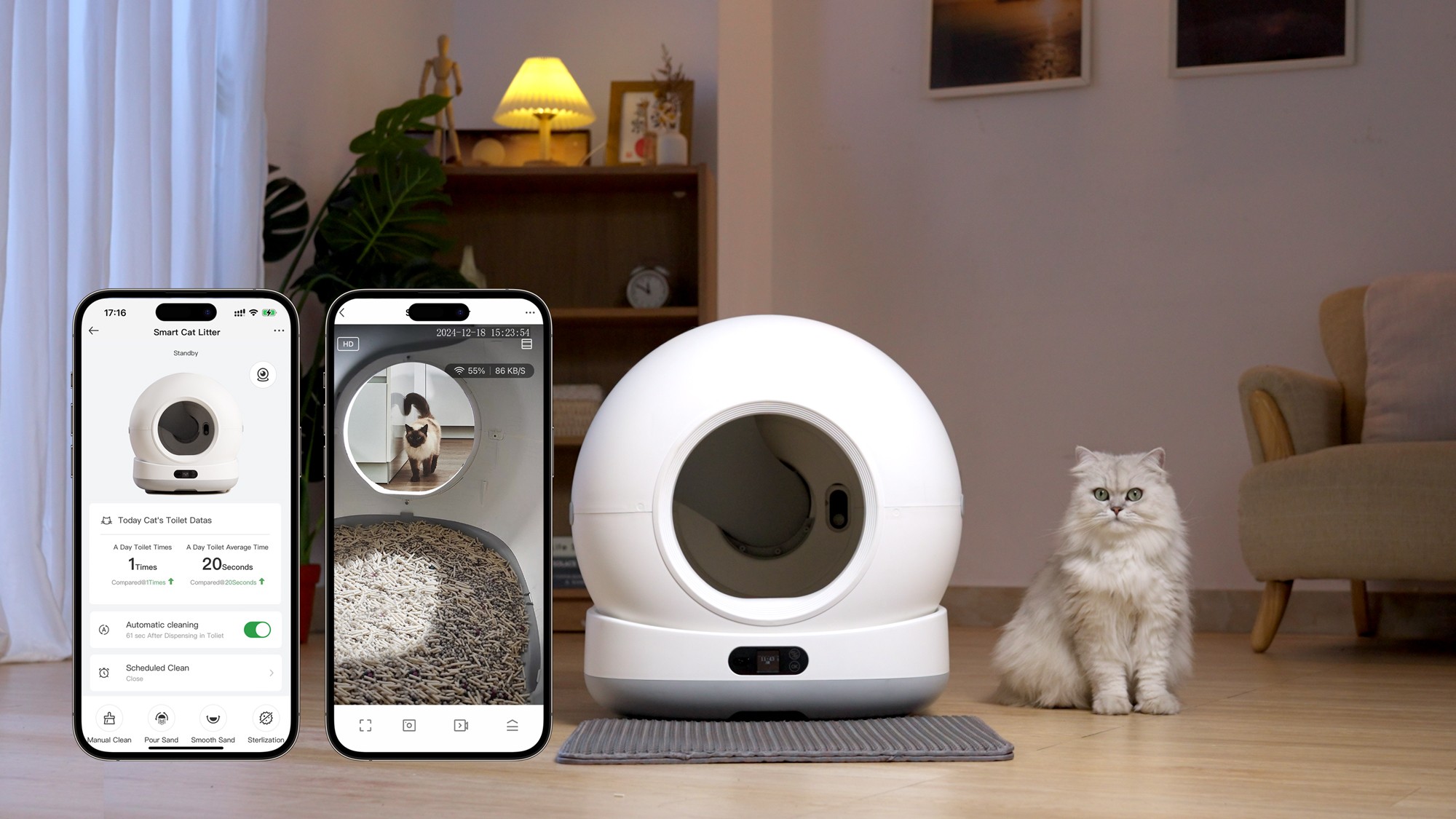
Hygiene is the invisible foundation of a healthy pet home.
Smart Grooming Devices
1. Intelligent Dryers
Featuring:
Temperature control
Low-noise operation
Ionization for smoother fur
Safe airflow sensors
2. Auto-Combing Brushes
Great for long-haired cats and fluffy dogs.
Smart Litter Boxes — A Must for Cat Homes
Why Smart Litter Systems Matter
Auto cleaning reduces owner labor
Locked odor control keeps homes smelling fresh
Usage data helps detect UTIs & digestive issues
Safety sensors protect pets during operation
Helps with multi-cat fairness and hygiene
Modern Features Include:
Anti-collision sensors
Multi-layer odor neutralization
Waste-level notifications
App tracking of frequency and duration
Large internal space for comfort
Quiet operation
5. Play & Enrichment: Smart Toys + Daily Mental Stimulation
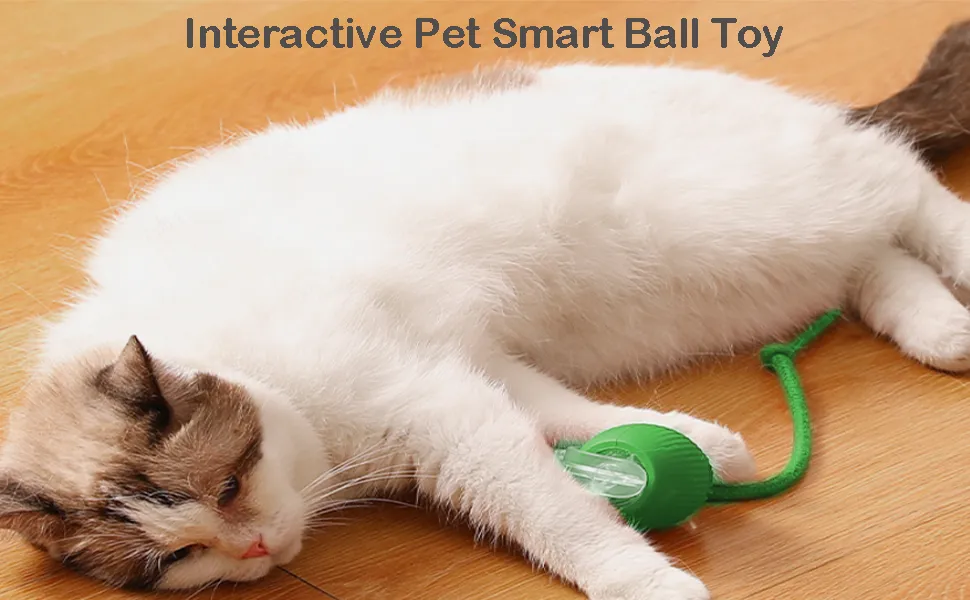
Why Smart Play Matters
Pets’ brains are wired for hunting, foraging, and exploring. Modern indoor lifestyles can suppress these instincts.
Smart Toy Types
Laser robots (cat hunting simulation)
Treat-dispensing robots (problem-solving tasks)
Motion-mimicking toys (mouse, butterfly, insects)
Auto-run dog companions for exercise
Benefits
Reduces loneliness
Minimizes destructive behaviors
Improves physical health
Strengthens human–pet bonding
6. How to Build Your 2025 Smart Pet Home — Practical Roadmap
Stage 1 — Core Essentials
Start with high-impact upgrades:
Smart feeder
Smart fountain
Stage 2 — Daily Hygiene
Add what reduces your workload the most:
Smart litter box
Grooming tools
Stage 3 — Comfort Solutions
Smart bed or temperature-regulating nest.
Stage 4 — Behavioral Enrichment
Smart toys for daily stimulation.
Stage 5 — App Integration
Create your “pet dashboard” where you track:
Feeding schedules
Water intake
Litter box data
Sleep time
Activity
7. Benefits of a Fully Smart Pet Home
Pet Benefits
More hydration → fewer kidney issues
Better digestion → stable energy
Lower stress → fewer behavioral problems
Cleaner home → reduced infection risks
More stimulation → emotional well-being
Owner Benefits
Less manual work
Real-time pet monitoring
Health trend visualization
Better home hygiene
More peace of mind
Reliable routines even when traveling
8. FAQs
1. Does every pet benefit from smart devices?
Yes — especially indoor pets, busy families, senior pets, and multi-pet households.
2. Are these devices difficult to maintain?
Most products are designed for quick cleaning and app-based reminders.
3. What if my pet is afraid of smart machines?
Start gradually—introduce the device turned off, offer treats, and let the pet explore at their own pace.
4. Can smart products replace human interaction?
No. They enhance care but can’t replace playtime, affection, and training.
5. How long do these devices last?
Good smart devices typically last 3–5 years with proper maintenance.
Which Smart Pet Products Should You Choose?
Selecting the right devices depends on your pet’s age, habits, and household needs. Consider:
✔ For cats
Smart feeder
Smart water fountain
Smart litter box
Odor control device
Interactive toys
Cozy temperature-controlled nest
✔ For dogs
Smart feeder
Smart fountain
Smart treat-loader toys
Smart dryer (for long-haired breeds)
Orthopedic smart bed
✔ For multi-pet homes
Feeders with profile-based recognition
Larger fountains with multi-directional flow
Smart partitions for mealtime
⭐ Follow Us for the Next Guide
In our next update, we’ll teach you:
➡ How to Choose the Right Smart Feeder (2025 Full Buying Guide)
A complete breakdown of capacity, mechanisms, sensors, portion accuracy, and the right feeder for every pet type.
Stay tuned—your pet’s smart home journey is just beginning.